
Teeth Whitening Gel: Benefits, Types, Uses, and Safety Tips
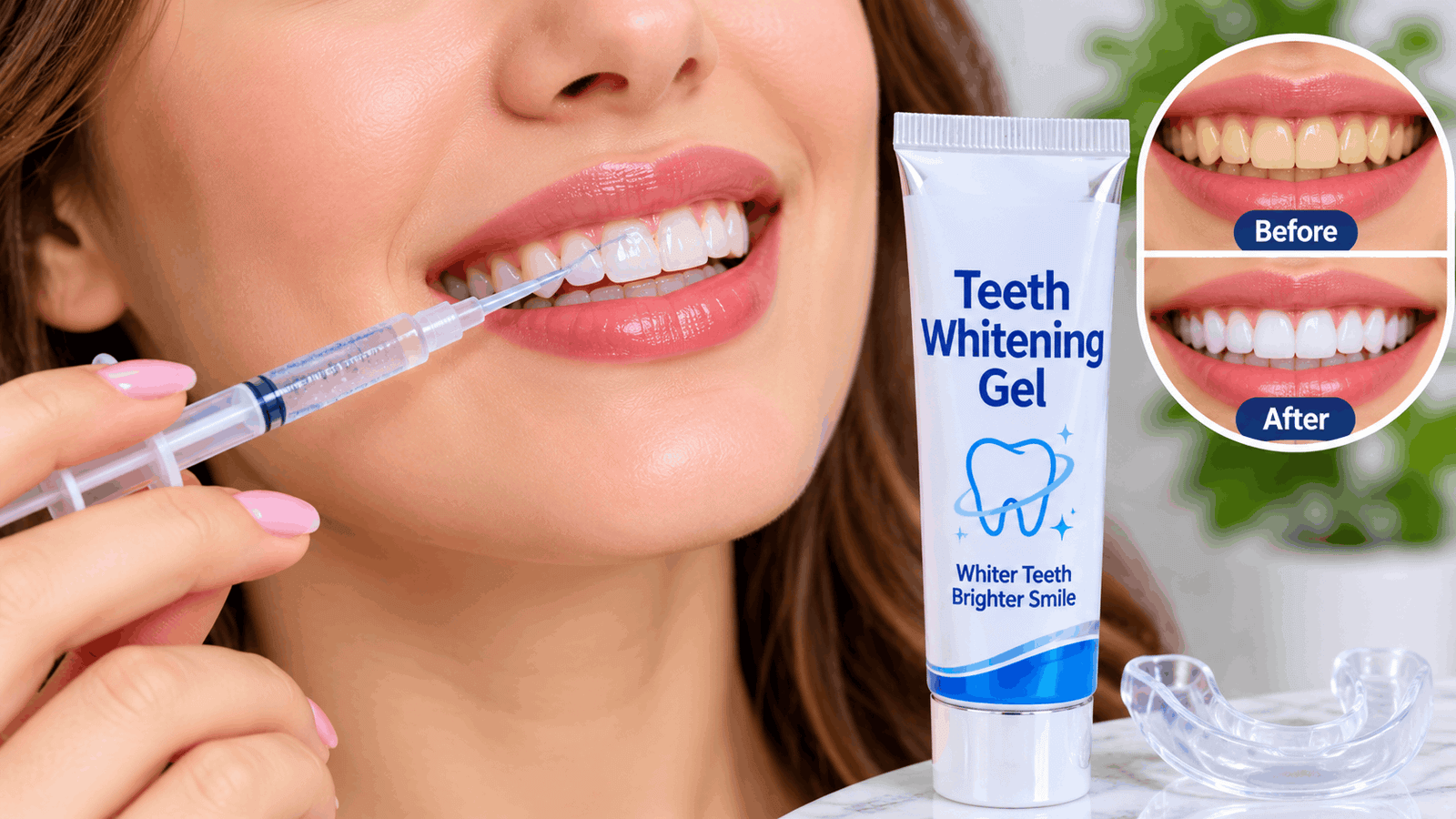
A bright, white smile can make a person feel more confident, which is why teeth whitening products have become popular in everyday oral care. Among these products, teeth whitening gel is a widely used option for reducing stains and improving the appearance of discolored teeth. It is available in different strengths and formulas, including professional treatments provided by dental clinics and products designed for home use.
Although whitening gel can produce noticeable results, choosing the right product and using it correctly are important. Some formulas may cause temporary tooth sensitivity or gum irritation, particularly when used too frequently. Understanding how whitening gels work, what ingredients they contain, and when to seek professional advice can help you make a safer choice.
What Is Teeth Whitening Gel?
Teeth whitening gel is a dental cosmetic product designed to lighten the natural color of teeth and reduce certain types of discoloration. Most effective whitening gels contain peroxide-based ingredients that break down stain molecules within the tooth.
The two commonly used active ingredients are hydrogen peroxide and carbamide peroxide. They work through an oxidation process that changes the chemical structure of colored compounds responsible for staining.
Whitening gels may be supplied in syringes, prefilled trays, strips, or professional dental kits. Some products are intended for use at home, while others are applied by a dentist.
It is important to understand that whitening gel does not replace brushing, flossing, or regular dental checkups. It is a cosmetic treatment rather than a method of treating dental disease.
How Does Teeth Whitening Gel Work?
Teeth whitening gel works by releasing active ingredients that penetrate the enamel and reach discolored molecules within the tooth structure.
Hydrogen peroxide acts directly as a bleaching agent. Carbamide peroxide gradually breaks down into hydrogen peroxide and urea, allowing it to release its whitening action over time.
The treatment may help reduce stains caused by:
- Coffee and tea
- Red wine
- Tobacco use
- Certain foods and beverages
- Natural aging
- Some types of surface discoloration
The effectiveness depends on the cause of discoloration, the concentration of the active ingredient, and the treatment duration.
Whitening products generally work better on natural teeth with yellowish discoloration than on certain gray or brown stains. They do not change the color of crowns, veneers, fillings, or other dental restorations.
Types of Teeth Whitening Gel
<AsyncImageGroup query={[“professional dental teeth whitening gel syringe kit”,”carbamide peroxide teeth whitening gel dental tray”,”hydrogen peroxide whitening gel dental treatment”,”dentist applying teeth whitening gel to teeth”]} aspectRatio=”5:4″ layout=”carousel”/>
Different whitening gels are available depending on the ingredients, concentration, and application method.
1. Hydrogen Peroxide Whitening Gel
Hydrogen peroxide is one of the most common active ingredients in whitening products. It works by oxidizing stain molecules and can produce noticeable whitening results.
Professional dental products may contain higher concentrations than many over-the-counter options. Stronger formulas should only be used according to appropriate dental guidance.
2. Carbamide Peroxide Whitening Gel
Carbamide peroxide is another widely used whitening ingredient. It breaks down gradually, releasing hydrogen peroxide over a longer period.
Some take-home whitening kits use carbamide peroxide because its slower release can make it suitable for tray-based treatments.
3. Professional Whitening Gel
Professional whitening gels are provided or applied under dental supervision. A dentist first evaluates the teeth and gums to determine whether whitening is appropriate.
The dentist may use a stronger formula or customize treatment trays to fit the patient’s teeth. Professional supervision helps reduce the risk of inappropriate application and allows dental problems to be identified before treatment.
4. At-Home Whitening Gel
At-home whitening gels are designed for consumer use. They may be supplied with whitening trays, pens, or other application systems.
Their peroxide concentrations and recommended treatment times vary. Following the manufacturer’s instructions is essential because longer or more frequent use does not necessarily produce better results.
5. Whitening Gel Pens
Whitening pens contain gel in a small applicator that allows users to apply the product directly to the front surfaces of their teeth.
They are convenient for targeted application, but results depend on the formula and contact time. Users should avoid allowing the gel to spread onto the gums.
Benefits of Teeth Whitening Gel
When used appropriately, whitening gel can offer several cosmetic benefits.
Reduces Visible Tooth Stains
Peroxide-based gels can break down certain stains caused by food, beverages, tobacco, and aging. This may make natural teeth appear brighter.
Improves Smile Appearance
Removing discoloration can create a cleaner-looking smile. Some people choose whitening treatments before special occasions, photographs, or important events.
Offers Different Application Options
Whitening gels are available in several formats, including trays, pens, and professional dental systems. This allows users to select a method that suits their preferences and dental needs.
Can Provide Gradual Results
Some home whitening treatments produce gradual changes over several applications. This can be useful for people who prefer a slower approach rather than a single intensive appointment.
Can Be Professionally Customized
Dentists can recommend suitable concentrations, treatment schedules, and trays according to an individual’s dental condition.
How to Use Teeth Whitening Gel Safely
Correct application is important for achieving satisfactory results while reducing the risk of irritation.
Step 1: Check Your Dental Health
Before starting whitening treatment, check for cavities, gum inflammation, exposed roots, or damaged dental restorations. Whitening should generally be postponed until active dental problems have been treated.
Step 2: Read the Product Instructions
Different products have different concentrations and application times. Follow the instructions provided with the specific gel rather than relying on advice intended for another formula.
Step 3: Prepare the Teeth
Brush gently and remove visible food debris before applying the gel. Avoid aggressive brushing because irritated gums may become more sensitive during treatment.
Step 4: Apply the Recommended Amount
Use only the amount specified by the manufacturer or dentist. Excess gel can spread onto the gums and cause irritation.
Step 5: Follow the Recommended Contact Time
Leave the gel on the teeth only for the instructed period. Do not extend the treatment because you want faster results.
Step 6: Remove or Rinse as Directed
Depending on the product, you may need to remove the tray, wipe away excess gel, or rinse your mouth. Follow the specific directions supplied with the treatment.
Step 7: Monitor Your Teeth and Gums
Pay attention to sensitivity, burning, gum irritation, or unusual discomfort. Stop using the product and consult a dentist if symptoms are significant or persistent.
How Long Does Teeth Whitening Gel Take to Work?
The time required depends on the product’s ingredients, concentration, application method, and the type of staining.
Some professional treatments can produce visible changes during a single dental appointment. At-home treatments generally require repeated applications over several days or weeks.
Not every person will achieve the same shade. Teeth with deep internal discoloration may respond less predictably than teeth with ordinary surface stains.
The best approach is to follow the recommended schedule and avoid increasing the frequency of application.
Possible Side Effects of Teeth Whitening Gel
Most side effects associated with properly used whitening gels are temporary. However, inappropriate use or excessive exposure may increase the likelihood of discomfort.
Tooth Sensitivity
Temporary sensitivity to cold, hot, or sweet foods is one of the most commonly reported side effects. It usually improves after treatment is stopped or reduced under dental guidance.
Gum Irritation
Gel that comes into contact with the gums may cause redness, irritation, or a temporary burning sensation.
Uneven Whitening
Natural teeth, fillings, crowns, and veneers respond differently to whitening. This may create visible differences in color.
Enamel Concerns
When used according to appropriate instructions, peroxide-based whitening products are generally considered safe for suitable candidates. However, excessive use or misuse can increase sensitivity and irritation. A dentist can help determine whether a particular product is appropriate.
Temporary Discomfort
Some people experience mild oral discomfort during or after treatment. Persistent pain should not be ignored.
Who Should Avoid Teeth Whitening Gel?
Whitening gel is not suitable for everyone. A dental examination is especially important for people who have:
- Untreated cavities
- Active gum disease
- Cracked or damaged teeth
- Severe tooth sensitivity
- Exposed tooth roots
- Significant enamel defects
- Existing oral irritation
Children and teenagers should not use whitening products without appropriate professional guidance. Pregnant or breastfeeding individuals should discuss elective whitening with their dentist before starting treatment.
People with crowns, veneers, bonding, or tooth-colored fillings should also understand that these materials do not whiten like natural tooth enamel.
Teeth Whitening Gel vs. Professional Teeth Whitening
Both options aim to improve tooth color, but they differ in supervision, application, and treatment customization.
| Feature | At-home whitening gel | Professional whitening |
|---|---|---|
| Application | Usually self-applied | Dentist-supervised or dentist-applied |
| Product strength | Varies by product | May use higher concentrations |
| Customization | Depends on the kit | Can be tailored to dental needs |
| Treatment time | Often several applications | May be completed in one or more visits |
| Monitoring | User follows product directions | Dental professional monitors treatment |
| Cost | Often lower | Usually higher |
The most appropriate option depends on the condition of your teeth, the type of discoloration, your sensitivity level, and your budget.
How to Maintain White Teeth After Treatment
Whitening results do not last forever. Daily habits and exposure to staining substances can gradually affect tooth color.
Consider these practical tips:
- Brush twice daily with fluoride toothpaste.
- Floss regularly to remove plaque and food particles.
- Limit frequent consumption of coffee, tea, and dark-colored drinks.
- Avoid tobacco products.
- Drink water after consuming staining foods or beverages.
- Attend regular dental checkups and professional cleanings.
- Avoid repeating whitening treatments more frequently than recommended.
Maintaining good oral hygiene is more important than repeatedly using bleaching products.
Natural Alternatives and Their Limitations
Some people prefer natural methods for improving tooth appearance. However, popular home remedies are not necessarily safe or effective.
Baking soda may help remove some surface stains when included in appropriately formulated toothpaste, but it is not equivalent to peroxide bleaching. Lemon juice, vinegar, and other acidic substances can damage enamel through repeated exposure.
Activated charcoal products also lack strong evidence for reliable whitening and may be abrasive. Avoid applying household chemicals or concentrated peroxide directly to your teeth.
For noticeable discoloration, a dentist can recommend a safer and more predictable option.
How to Choose the Right Teeth Whitening Gel
Choosing a whitening gel should involve more than looking at marketing claims or the highest advertised concentration.
Consider the following factors:
- Active ingredient: Check whether the product contains hydrogen peroxide or carbamide peroxide.
- Concentration: Select a suitable strength based on professional advice and the product’s intended use.
- Application method: Choose between trays, pens, or another approved delivery system.
- Product instructions: Make sure the treatment duration and frequency are clearly explained.
- Dental condition: Consider existing sensitivity, fillings, crowns, and gum health.
- Reliable source: Purchase from reputable sellers and avoid products with unclear ingredients or unrealistic claims.
A dentist can help determine whether whitening is appropriate and which method is likely to work best.
Conclusion
Teeth whitening gel is a popular cosmetic option for reducing stains and improving the appearance of natural teeth. Products containing hydrogen peroxide or carbamide peroxide work by breaking down colored compounds responsible for discoloration. Depending on the formula, they may be used in home whitening kits or professional dental treatments.
Although these products can produce noticeable results, safe application is essential. Excessive use may cause tooth sensitivity and gum irritation, while crowns, veneers, and fillings will not change color in the same way as natural teeth. For the best outcome, choose a suitable product, follow its instructions, and consult a dentist before beginning treatment, especially if you have existing dental concerns.
Frequently Asked Questions
1. What is teeth whitening gel used for?
Teeth whitening gel is used to reduce stains and lighten the natural color of teeth. Most effective formulas contain hydrogen peroxide or carbamide peroxide.
2. How long does whitening gel take to show results?
Some professional treatments produce visible changes in one appointment, while home kits may require several days or weeks. Results depend on the product and type of discoloration.
3. Is teeth whitening gel safe?
Whitening gel can be safe for suitable individuals when used according to product instructions or professional dental guidance. Incorrect or excessive use may cause sensitivity and gum irritation.
4. Which ingredient is better: hydrogen peroxide or carbamide peroxide?
Both ingredients can whiten teeth. Hydrogen peroxide acts directly, while carbamide peroxide releases hydrogen peroxide gradually. The best choice depends on the treatment system and dental advice.
5. Can whitening gel damage tooth enamel?
Properly used approved products are generally considered safe for suitable candidates. However, excessive application or misuse may cause sensitivity and other irritation. Follow professional or product instructions.
6. Can I use whitening gel every day?
Only if the specific product instructions or your dentist recommend daily use. Different gels have different concentrations and schedules, so using them more frequently than directed is not advisable.
7. Does whitening gel work on crowns and veneers?
No. Whitening gel does not change the color of crowns, veneers, fillings, or bonding materials in the same way it affects natural teeth.
8. Why do my teeth become sensitive after whitening?
Peroxide-based products can temporarily increase tooth sensitivity during treatment. It usually improves after stopping or adjusting the treatment, but persistent discomfort should be assessed by a dentist.
9. Can whitening gel remove yellow teeth?
It can reduce many types of yellow discoloration, particularly stains associated with aging and food or drink. Deep internal discoloration may require a different dental approach.
10. How can I make whitening results last longer?
Maintain good oral hygiene, limit staining foods and drinks, avoid tobacco, and attend regular dental checkups. Use touch-up treatments only when recommended by your dentist.