Airbrush Makeup: Techniques, Application, Benefits, and Tips
Introduction
A smooth, even-looking complexion is one of the most popular goals in makeup, especially for weddings, professional photography, parties, and other special occasions. Airbrush makeup offers a different approach to traditional foundation application. Instead of using a sponge, brush, or fingers, it uses a specialized device to spray a fine layer of makeup onto the skin.
The result can be a lightweight, natural-looking finish with buildable coverage. When applied correctly, it helps create an even appearance without the heavy feel that some traditional foundations can leave behind.
Airbrush makeup is not limited to professional makeup artists. With the right equipment, products, and practice, it can also be used at home. Understanding how it works, how to apply it, and which skin types may benefit can help you decide whether it is the right choice for your makeup routine.
What Is Airbrush Makeup?
Airbrush makeup is a cosmetic application technique that uses a small air-powered device to distribute liquid or specially formulated makeup in a fine mist. The device usually includes an air compressor, a hose, and an airbrush gun with a small cup for holding foundation.
When the trigger is pressed, compressed air carries tiny droplets of makeup through the nozzle and onto the skin. This allows the product to be applied in thin, controlled layers.
Unlike traditional foundation application, which involves directly spreading makeup across the face, airbrush application focuses on building coverage gradually. The technique can create a soft, blended appearance when the correct shade, formula, and application distance are used.
How Does Airbrush Makeup Work?
An airbrush makeup system uses controlled airflow to spray foundation onto the skin. The makeup is placed in the device’s small reservoir, and the compressor provides the pressure needed to create a fine mist.
The makeup artist moves the airbrush in small circular or sweeping motions while maintaining a consistent distance from the face. This helps distribute the product evenly rather than concentrating it in one area.
Coverage depends on several factors, including:
- The amount of makeup used
- Air pressure settings
- Distance between the nozzle and skin
- Movement and speed of the hand
- Number of layers applied
- The formula of the makeup
Light layers can provide sheer coverage, while additional layers can help conceal uneven tone and minor imperfections.
Benefits of Airbrush Makeup
Airbrush makeup has become popular for special occasions because of its smooth application and customizable finish. However, its results depend on the products, equipment, and technique.
1. Lightweight Feel
Because makeup is generally applied in thin layers, it may feel lighter than heavily applied traditional foundation. This can be appealing to people who prefer a more natural makeup appearance.
2. Smooth-Looking Finish
The fine mist helps distribute foundation across the skin. With proper blending and preparation, it can create an even-looking complexion suitable for photography and events.
3. Buildable Coverage
Airbrush makeup does not have to look heavy. A light layer can provide subtle coverage, while additional layers can be applied where more coverage is needed.
4. Long-Wearing Results
Many airbrush foundations are formulated to provide lasting coverage. Some are designed to resist moisture or transfer, although performance varies by product and skin type.
5. Professional Appearance
Makeup artists often use airbrush systems for bridal makeup, fashion photography, stage work, and video production because the technique allows controlled application.
6. Customizable Application
The amount of product and air pressure can be adjusted to suit the desired finish. This makes it possible to create different looks, from soft everyday makeup to more polished event makeup.
Different Types of Airbrush Makeup
Airbrush makeup products are available in several formulas. Choosing the right one is important because each type behaves differently on the skin.
Water-Based Airbrush Makeup
Water-based formulas are often preferred for a lightweight, natural-looking finish. They may feel comfortable on the skin and are commonly used for everyday or professional applications.
Their staying power depends on the formulation and whether suitable setting products are used.
Silicone-Based Airbrush Makeup
Silicone-based formulas are designed to create a smooth, flexible finish. They can help soften the appearance of uneven texture and are frequently used for bridal and photography makeup.
People with sensitive or acne-prone skin should check the ingredient list and test a product before applying it to the entire face.
Alcohol-Based Airbrush Makeup
Alcohol-based makeup is generally used for specialized applications, such as body makeup, special effects, and certain long-wear looks. It is not usually the first choice for routine facial foundation because it may be drying or irritating.
It should only be used according to the manufacturer’s instructions and with appropriate safety precautions.
Airbrush Makeup vs. Traditional Makeup
Both airbrush and traditional makeup can create beautiful results. The best choice depends on personal preference, skin condition, coverage needs, and application skill.
| Feature | Airbrush Makeup | Traditional Makeup |
|---|---|---|
| Application | Fine mist from an airbrush device | Brushes, sponges, or fingers |
| Finish | Often smooth and lightweight | Varies by product and technique |
| Coverage | Built gradually in thin layers | Sheer to full coverage |
| Equipment | Requires an airbrush system | Basic makeup tools |
| Touch-ups | May require compatible products | Usually easy to touch up |
| Learning curve | Requires practice | Generally easier for beginners |
| Product choice | Needs compatible formulas | Wider range of foundation types |
Airbrush makeup is useful when a refined, even finish is desired. Traditional makeup may be more convenient for daily use because it requires less equipment and is easier to adjust throughout the day.
How to Apply Airbrush Makeup Step by Step
A successful airbrush application begins with skin preparation. Applying foundation to dry, oily, or poorly prepared skin can affect the final result.
Step 1: Cleanse Your Skin
Wash your face with a gentle cleanser to remove excess oil, dirt, and leftover skincare products. Pat the skin dry instead of rubbing it.
Step 2: Apply Moisturizer
Use a moisturizer that suits your skin type. Allow it to absorb before applying makeup. Avoid using too much product because an overly slippery surface may affect foundation application.
Step 3: Apply Primer if Needed
A suitable primer can help create a more even base. Choose a formula compatible with your foundation and avoid layering too many products.
Step 4: Select the Correct Foundation Shade
Test the shade along your jawline in natural lighting. The foundation should blend naturally with your face and neck. If you are mixing shades, use products designed to work with your airbrush system.
Step 5: Prepare the Airbrush Device
Add the recommended amount of foundation to the reservoir. Follow the manufacturer’s instructions for dilution, air pressure, and cleaning. Do not mix formulas unless the product instructions allow it.
Step 6: Test the Spray
Before applying makeup to your face, test the spray on a clean surface. Check that the mist is even and that the device is not releasing large droplets.
Step 7: Apply Thin Layers
Hold the airbrush at the recommended distance and keep it moving. Apply light, even passes rather than spraying heavily in one spot.
Start with a small amount of product. Build coverage gradually in areas that need additional blending.
Step 8: Blend Around Facial Features
Use controlled movements around the nose, jawline, forehead, and hairline. Keep your eyes and mouth closed during application and avoid spraying directly into the eyes or nostrils.
Step 9: Apply Concealer and Other Products
If needed, use a suitable concealer for areas that require extra coverage. Add blush, bronzer, or highlighter using products compatible with the makeup base.
Step 10: Set Your Makeup
Allow the foundation to settle before applying setting powder or spray. Use only as much setting product as necessary to avoid changing the finish.
Airbrush Makeup for Different Skin Types
The right formula and preparation can make a noticeable difference in how airbrush makeup looks and wears.
Oily Skin
People with oily skin may prefer an oil-control primer and a foundation formulated for longer wear. Avoid applying excessive layers, as too much product can become noticeable when natural oils appear.
A light dusting of suitable setting powder may help control shine.
Dry Skin
Dry skin benefits from gentle cleansing and adequate moisturizing before makeup. Choose a comfortable formula that does not emphasize flaky areas.
Exfoliation should be gentle and appropriate for your skin. Avoid applying makeup over irritated or peeling skin.
Combination Skin
Combination skin may need different preparation in different areas. Use lightweight moisturizer across the face and focus oil-control products on the T-zone if needed.
Sensitive Skin
Choose fragrance-free products when possible and review the ingredient list. Perform a patch test before using a new foundation, particularly if your skin is prone to irritation or allergic reactions.
Acne-Prone Skin
Airbrush makeup does not treat acne, and the application method alone does not guarantee that pores will remain clear. Choose products labeled non-comedogenic when possible, clean the equipment regularly, and avoid spraying over open or inflamed lesions.
Airbrush Makeup for Weddings and Special Occasions
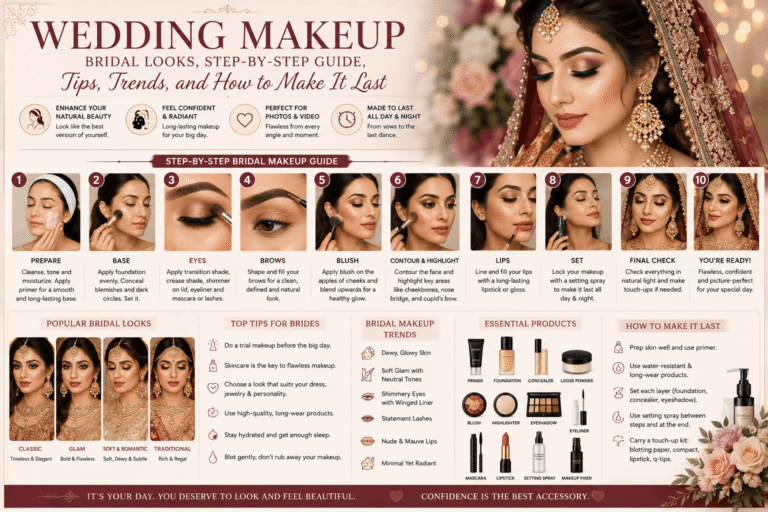
Airbrush makeup is frequently selected for weddings, engagement ceremonies, formal parties, and photography sessions. Its thin, buildable layers can help create a polished appearance without requiring thick foundation application.
For bridal makeup, the shade should be tested in natural and artificial lighting. Makeup should also be tested with the outfit, hairstyle, and other products planned for the occasion.
A trial session before the event is especially useful. It allows the makeup artist to check the finish, comfort, shade match, and wear time before the important day.
Common Airbrush Makeup Mistakes to Avoid
Even high-quality products may not produce good results when the technique is incorrect.
- Applying too much foundation: Heavy application can create an uneven or overly noticeable finish. Build coverage gradually.
- Holding the device too close: This may deposit too much product in one area.
- Moving the airbrush too slowly: Staying in one spot can create patches or visible buildup.
- Choosing the wrong shade: A mismatched foundation can look unnatural, especially around the jawline.
- Skipping skin preparation: Dry patches and excess oil can affect how makeup sits.
- Using incompatible products: Not every foundation or primer is suitable for every airbrush system.
- Ignoring equipment cleaning: Product residue can block the nozzle and affect spray quality.
- Spraying near the eyes or nose: Avoid direct exposure to the mist and follow device safety instructions.
How to Clean and Maintain an Airbrush Makeup Kit
Cleaning your equipment is essential for consistent performance and hygiene. Makeup residue can clog the nozzle and make the spray uneven.
After each use:
- Empty any remaining makeup from the reservoir.
- Clean the cup using the manufacturer’s recommended cleaning solution.
- Flush the device according to its instructions.
- Remove residue from the nozzle and other accessible parts.
- Allow components to dry as directed.
- Store the equipment in a clean, dry place.
Do not force sharp objects into the nozzle because they can damage delicate components. If the device has a removable needle or nozzle, clean and reassemble it only according to the manufacturer’s guidance.
Is Airbrush Makeup Suitable for Everyday Use?
Airbrush makeup can be used for everyday occasions, but it may not be practical for everyone. The equipment takes time to set up and clean, and many people find traditional foundation more convenient for quick routines.
For daily wear, a lightweight foundation or tinted moisturizer may be easier. Airbrush makeup may be more appealing when someone wants a carefully applied finish for a special event, professional setting, or photoshoot.
The most important consideration is not the application method but whether the products are comfortable, suitable for the skin, and easy to remove.
How to Remove Airbrush Makeup
Remove airbrush makeup gently at the end of the day. Use a makeup remover or cleansing balm suitable for your skin type, followed by a gentle facial cleanser if needed.
Avoid scrubbing or using harsh products to remove long-wear formulas. After cleansing, apply moisturizer to support the skin barrier.
If a product causes persistent redness, itching, burning, or swelling, discontinue use. Seek medical advice if symptoms are severe or do not settle.
Conclusion
Airbrush makeup is a versatile application technique that uses a fine mist to create buildable, even-looking coverage. It can be a useful option for weddings, photography, professional events, and anyone who prefers a lightweight makeup finish.
Choosing the right formula, preparing the skin properly, applying thin layers, and maintaining clean equipment are essential for good results. Although it requires practice and specialized tools, airbrush makeup can be a valuable addition to a makeup routine when used correctly.
Frequently Asked Questions
1. What is airbrush makeup used for?
Airbrush makeup is used to apply foundation and other compatible cosmetic products in a fine mist. It is popular for bridal makeup, photography, formal occasions, and professional makeup applications.
2. Does airbrush makeup look natural?
Yes. When applied in thin layers with a well-matched shade, it can create a natural-looking finish. Applying too much product may make the makeup appear heavy.
3. Is airbrush makeup better than traditional makeup?
Neither method is universally better. Airbrush makeup offers controlled, fine-mist application, while traditional makeup is generally easier to use and touch up. The best choice depends on individual needs.
4. How long does airbrush makeup last?
Wear time varies according to the formula, skin type, weather, preparation, and setting products. Some formulas are designed for extended wear, but no makeup product is guaranteed to last equally long on everyone.
5. Is airbrush makeup suitable for oily skin?
It can be suitable for oily skin when an appropriate foundation and skin-preparation routine are used. Oil-control products and light setting powder may help manage shine.
6. Can airbrush makeup be used on dry skin?
Yes. Proper moisturizing and choosing a comfortable foundation formula can help. Makeup should not be applied over irritated or visibly peeling skin.
7. Does airbrush makeup cover acne and acne scars?
It can help reduce the appearance of uneven tone and some discoloration through buildable coverage. Deep scars and raised acne may still be visible, and additional concealer may be needed.
8. Can beginners use airbrush makeup at home?
Yes. Beginners can use home airbrush kits, but they should practice controlling the spray, selecting the right pressure, and applying thin layers before using the equipment for an important event.
9. Is airbrush makeup safe for sensitive skin?
It may be suitable for some people with sensitive skin, but safety depends on the ingredients and individual tolerance. Patch-test new products and avoid spraying directly toward the eyes, nose, or mouth.
10. How do you remove airbrush makeup?
Use a suitable makeup remover or cleansing balm, followed by a gentle cleanser if necessary. Avoid harsh scrubbing and moisturize after cleansing.