Designer Nail Art: Creative Ideas, Popular Styles and Nail Care Tips
Introduction
Nails have become an important part of personal style, offering a simple way to express creativity, personality, and fashion preferences. From elegant minimalist patterns to colorful artistic designs, designer nail art transforms ordinary manicures into eye-catching beauty statements.
Whether you prefer delicate floral details, modern geometric patterns, sparkling embellishments, or bold abstract artwork, there are countless ways to customize your nails. Professional nail artists use different techniques, colors, textures, and decorative elements to create designs that complement individual tastes and occasions.
Designer nail art is suitable for everyday wear, weddings, parties, holidays, and special celebrations. Choosing the right design, nail shape, and finish can help create a polished appearance while keeping nails attractive and well-maintained.
What Is Designer Nail Art?
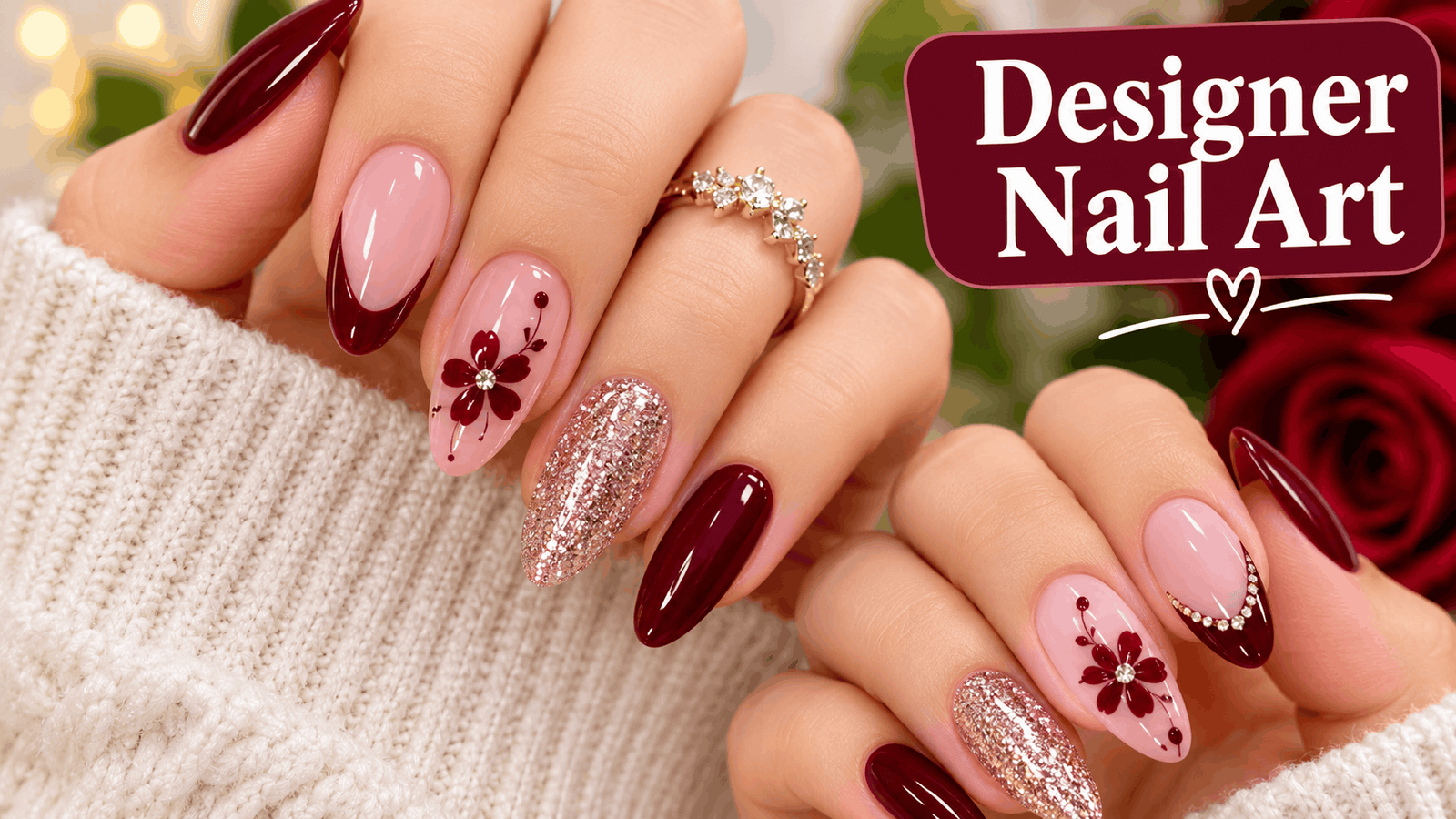
Designer nail art is a decorative manicure technique that involves creating customized patterns, illustrations, textures, and embellishments on natural or artificial nails.
Unlike a simple single-color manicure, nail art focuses on visual details and creative combinations. Designs may be hand-painted, applied using nail stamps, created with special brushes, or enhanced with decorative materials.
Common elements include:
- Floral patterns and botanical illustrations.
- Geometric shapes and abstract lines.
- Glitter, rhinestones, and metallic accents.
- Ombre and gradient color effects.
- French manicure variations.
- Minimalist dots and delicate details.
- Seasonal and themed artwork.
The final appearance can be subtle and sophisticated or dramatic and colorful, depending on the design and personal preference.
Popular Designer Nail Art Ideas
There are many creative nail art styles to explore. Some focus on simplicity, while others use detailed patterns and decorative accessories.
1. Floral Nail Art
<AsyncImage query=”elegant floral nail art manicure delicate hand painted flowers pastel nails” aspectRatio=”16:9″ width=”100%”/>
Floral nail art is a timeless choice for people who enjoy feminine and artistic manicures. It features flowers, leaves, petals, and botanical patterns painted across one or more nails.
Popular variations include:
- Tiny daisy patterns.
- Rose-inspired artwork.
- Cherry blossom designs.
- Pastel floral accents.
- White flowers on nude backgrounds.
Floral designs work beautifully for spring, weddings, garden parties, and everyday styling.
2. French Designer Nail Art
<AsyncImage query=”modern designer French tip nail art chrome colored tips elegant manicure” aspectRatio=”16:9″ width=”100%”/>
The traditional French manicure features a natural-looking base with white tips. Modern versions introduce creative colors, unusual shapes, and decorative details.
Popular styles include colored French tips, double-line French manicures, glitter edges, chrome tips, and angled designs.
This style is ideal for people who want a classic appearance with a contemporary touch.
3. Glitter Nail Art
<AsyncImage query=”luxury glitter nail art manicure champagne gold silver sparkle elegant nails” aspectRatio=”16:9″ width=”100%”/>
Glitter nail art adds sparkle and dimension to a manicure. It can be applied across the entire nail or used as a small accent.
Common options include:
- Gold glitter tips.
- Silver sparkle overlays.
- Rose-gold accents.
- Fine glitter gradients.
- Chunky glitter decorations.
Glitter designs are especially popular for celebrations, evening events, and festive occasions.
4. Marble Nail Art
<AsyncImage query=”luxury white beige marble effect nail art manicure gold veins” aspectRatio=”16:9″ width=”100%”/>
Marble nail art recreates the natural patterns found in stone. Fine, irregular lines are blended across a light or dark base to create a sophisticated appearance.
White marble with gold veins is a popular option, while black, gray, beige, and pastel combinations offer different looks.
5. Abstract Nail Art
<AsyncImage query=”modern abstract nail art colorful curved shapes lines minimalist manicure” aspectRatio=”16:9″ width=”100%”/>
Abstract nail art uses artistic shapes, curves, lines, and color combinations rather than traditional patterns.
It may feature asymmetrical designs, contrasting shades, irregular shapes, or overlapping colors. Because there are no strict rules, this style is ideal for people who enjoy unique and experimental manicures.
6. Chrome Nail Art
<AsyncImage query=”glossy metallic chrome nail art silver pearl rose gold manicure” aspectRatio=”16:9″ width=”100%”/>
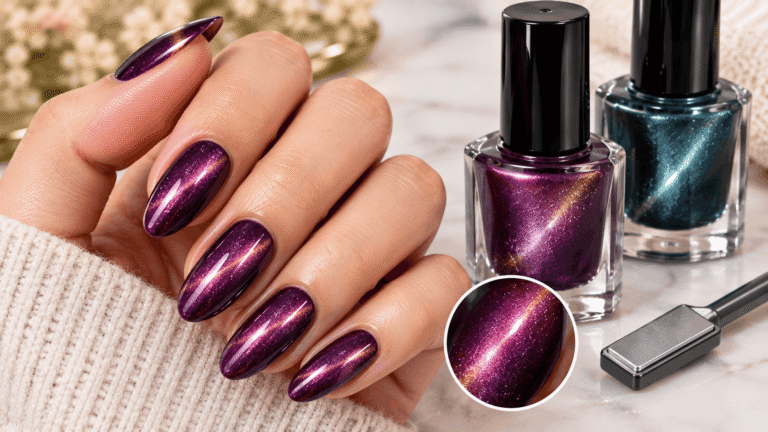
Chrome nail art creates a reflective metallic finish using specialized powders or products designed for this effect.
Popular shades include silver, gold, rose gold, pearl, and holographic chrome. Chrome can cover the entire nail or highlight selected areas.
It creates a polished, modern appearance suitable for parties and fashion-focused looks.
7. Ombre Nail Art
<AsyncImage query=”soft pink nude ombre gradient nail art elegant manicure” aspectRatio=”16:9″ width=”100%”/>
Ombre nail art blends two or more colors gradually, producing a smooth transition between shades.
Common combinations include pink and white, nude and beige, lavender and blue, and peach and coral.
This technique works well on short and long nails and can create either a subtle or dramatic effect.
8. Rhinestone Nail Art
<AsyncImage query=”elegant rhinestone crystal nail art nude pink manicure luxury” aspectRatio=”16:9″ width=”100%”/>
Rhinestone nail art uses small decorative crystals to add sparkle and texture. They may be placed near the cuticle, along the tips, or in carefully arranged patterns.
A few small crystals can create an elegant design, while larger embellishments produce a more dramatic statement manicure.
9. Geometric Nail Art
<AsyncImage query=”minimalist geometric nail art black white nude lines triangles manicure” aspectRatio=”16:9″ width=”100%”/>
Geometric designs use straight lines, triangles, squares, dots, and other structured shapes.
Neutral backgrounds with black or metallic details create a modern look. Bright colors can make geometric patterns more playful and energetic.
10. Minimalist Nail Art
<AsyncImage query=”minimalist nude nail art tiny dots thin lines delicate elegant manicure” aspectRatio=”16:9″ width=”100%”/>
Minimalist nail art focuses on clean details and simple designs. Small dots, thin lines, tiny hearts, and subtle accents can make nails look stylish without excessive decoration.
It is a practical choice for office settings, everyday routines, and people who prefer understated beauty.
Designer Nail Art for Different Nail Shapes
The shape of your nails can influence how a design looks. Choosing patterns that complement your natural nail shape helps create a balanced manicure.
Almond Nails
<AsyncImage query=”almond shaped nails elegant floral minimalist nail art manicure” aspectRatio=”16:9″ width=”100%”/>
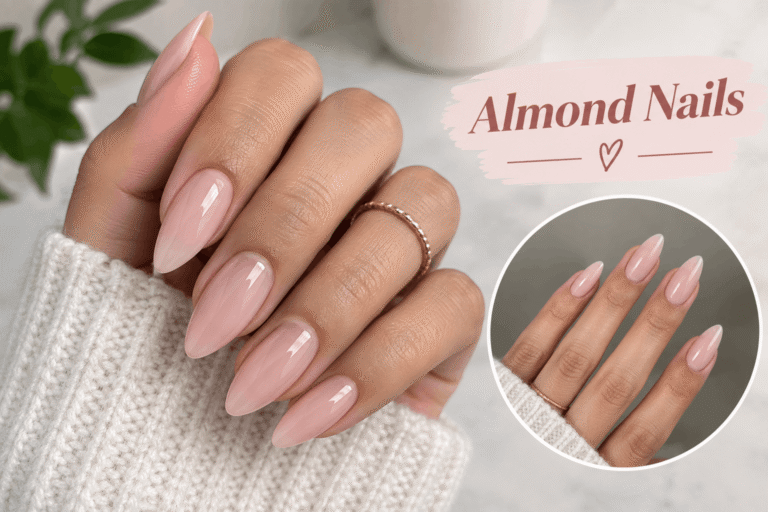
Almond nails have tapered sides and softly rounded tips. They work well with floral patterns, ombre effects, French tips, and delicate metallic details.
Coffin Nails
<AsyncImage query=”long coffin shaped nails designer glitter marble nail art” aspectRatio=”16:9″ width=”100%”/>
Coffin nails have tapered sides and a flat tip. Their elongated surface provides room for intricate artwork, rhinestones, gradients, and bold patterns.
Square Nails
<AsyncImage query=”short square nails modern French tip designer nail art” aspectRatio=”16:9″ width=”100%”/>
Square nails feature straight sides and a flat edge. They complement geometric designs, colorful French tips, and minimalist patterns.
Oval Nails
<AsyncImage query=”oval shaped nails soft pastel floral nail art manicure” aspectRatio=”16:9″ width=”100%”/>
Oval nails have gently rounded edges and a natural appearance. Soft colors, floral patterns, and subtle decorative details work particularly well with this shape.
Stiletto Nails
<AsyncImage query=”stiletto pointed nails dramatic designer rhinestone chrome nail art” aspectRatio=”16:9″ width=”100%”/>
Stiletto nails have long, pointed tips that create a dramatic appearance. They are often decorated with chrome finishes, crystals, bold artwork, and detailed patterns.
Designer Nail Art for Different Occasions
The right nail design can complement your outfit, event, and personal style.
Everyday Nail Art
For daily wear, simple designs are often practical. Nude shades, short French tips, tiny flowers, and delicate lines provide a neat appearance without excessive decoration.
Wedding Nail Art
Bridal nail art often features soft pink, ivory, nude, pearl, and champagne shades. Popular details include lace-inspired patterns, delicate crystals, floral accents, and subtle glitter.
The design can be coordinated with wedding jewelry, clothing, and makeup.
Party Nail Art
Parties are an opportunity to experiment with bold colors and statement designs. Chrome finishes, glitter gradients, rhinestones, metallic patterns, and abstract artwork can create a glamorous look.
Festive Nail Art
Festive manicures may include seasonal colors, decorative patterns, stars, snowflakes, or themed artwork. Choosing designs that complement the celebration can make the manicure more distinctive.
How to Create Designer Nail Art at Home
You do not always need a professional salon to create attractive nail designs. Basic tools and a little practice can help you achieve simple results at home.
Step 1: Prepare Your Nails
Remove old polish and gently clean your nails. Shape them using a nail file and wash your hands before starting.
Step 2: Care for Your Cuticles
Gently push back cuticles only when appropriate. Avoid cutting living cuticle tissue because it protects the area around the nail from infection.
Step 3: Apply a Base Coat
A suitable base coat helps create a smooth surface and may reduce staining from colored nail polish.
Step 4: Choose Your Colors
Select shades that complement each other. You can use neutral tones for a subtle look or contrasting colors for a bold design.
Step 5: Create the Design
Use thin nail art brushes, dotting tools, or stamping plates to create patterns. Beginners can start with dots, lines, simple flowers, and French tips.
Step 6: Add Decorative Details
If desired, add glitter, nail stickers, or suitable embellishments. Follow product instructions and avoid placing decorations where they can easily catch or injure the skin.
Step 7: Apply a Top Coat
Finish with a suitable top coat to protect the design and add shine. Allow the manicure to dry fully before performing activities that could damage it.
Essential Tools for Designer Nail Art
Having the right equipment can make nail art easier and more precise.
| Tool | Main Purpose |
|---|---|
| Nail art brushes | Creating detailed patterns and lines |
| Dotting tools | Making dots and circular designs |
| Nail stamping plates | Transferring printed patterns |
| Nail stickers | Adding ready-made decorations |
| Nail files | Shaping the nail edges |
| Base coat | Preparing the nail surface |
| Top coat | Protecting the finished design |
| Nail polish | Providing color and decoration |
| Cuticle oil | Conditioning the surrounding skin |
Beginners can start with a basic nail art kit rather than purchasing every available tool.
How to Make Designer Nail Art Last Longer
A beautiful manicure can lose its appearance if the polish chips or decorations become loose. A few simple habits may help maintain the finish.
- Apply polish to clean, dry nails.
- Use thin coats rather than thick layers.
- Allow each coat to dry properly.
- Seal the design with a compatible top coat.
- Wear gloves when using household cleaning products.
- Avoid using your nails as tools.
- Apply cuticle oil regularly.
- Avoid picking or peeling off polish and gel products.
Long-lasting results also depend on product quality, nail condition, and application technique.
Nail Care and Safety Tips
Decorative nail treatments should not come at the expense of nail health. Improper application, removal, or salon hygiene can damage the nail plate and surrounding skin.
Consider these precautions:
- Choose a salon that follows proper hygiene practices.
- Ensure reusable tools are appropriately cleaned and disinfected.
- Avoid sharing personal nail files and other hygiene tools.
- Do not apply products over infected or injured nails.
- Avoid aggressive cuticle cutting.
- Never peel or forcefully scrape off gel polish.
- Take breaks from artificial enhancements if your nails become weak or damaged.
- Seek professional advice for persistent discoloration, pain, swelling, or nail separation.
Some nail products contain ingredients that can cause allergic contact dermatitis. Stop using a product if you develop itching, redness, swelling, or a rash around the nails.
Conclusion
Designer nail art offers endless opportunities to express personal style through colors, patterns, textures, and decorative details. From classic French tips and delicate flowers to modern chrome finishes and bold abstract artwork, there is a design for almost every preference and occasion.
Choosing a suitable nail shape, preparing the nails properly, and using quality products can improve the final appearance. Regular nail care and safe application practices are equally important for maintaining healthy nails.
Whether you choose a simple home manicure or an elaborate salon design, the best nail art is one that reflects your personality while keeping nail health a priority.