Eye Cream: Benefits and How to Choose the Right One
Introduction
The delicate skin around the eyes is often one of the first areas to show signs of dryness, fine lines, puffiness, and fatigue. Because this area is thinner and more sensitive than much of the facial skin, it may require extra attention and gentle skincare products. Eye cream is specially formulated to address common concerns around the eyes while helping maintain moisture and a smoother appearance.
Whether you want to reduce the appearance of dark circles, improve dryness, or soften fine lines, choosing the right formula can make a difference. Understanding its ingredients, benefits, and proper application can help you build an effective skincare routine.
What Is Eye Cream?
Eye cream is a skincare product designed specifically for the delicate skin surrounding the eyes. It generally has a lightweight or nourishing texture and contains ingredients that support hydration, improve skin appearance, and address specific cosmetic concerns.
Depending on its formulation, it may help with:
- Dryness and dehydration
- Fine lines and wrinkles
- The appearance of dark circles
- Mild puffiness
- Uneven skin texture
- Loss of skin smoothness
Not every eye cream addresses all these concerns. Selecting a product based on your individual needs is important.
Benefits of Using Eye Cream
1. Provides Deep Hydration
The skin around the eyes can become dry, making fine lines more noticeable. Ingredients such as hyaluronic acid, glycerin, and ceramides help attract and retain moisture, leaving the area feeling softer.
2. Helps Reduce the Appearance of Fine Lines
Some eye creams contain peptides, retinol, or other ingredients that support smoother-looking skin. Retinoids may improve the appearance of fine lines over time, although they can cause irritation if introduced too quickly.
3. Improves the Appearance of Dark Circles
Dark circles can develop due to genetics, pigmentation, visible blood vessels, allergies, or volume changes beneath the eyes. Ingredients such as niacinamide and vitamin C may help improve certain types of discoloration.
However, an eye cream cannot completely eliminate dark circles caused by genetics or anatomical factors.
4. Reduces the Appearance of Puffiness
Caffeine is commonly used in eye products because it may temporarily improve the appearance of puffiness. A cool application can also provide a refreshing sensation.
Persistent or sudden swelling should not automatically be treated as a cosmetic concern.
5. Supports the Skin Barrier
Ceramides and nourishing moisturizers help maintain the skin’s protective barrier. This is particularly useful for people who experience dryness or sensitivity around the eyes.
6. Creates a Smoother Makeup Base
Well-hydrated skin can provide a smoother surface for concealer and other makeup products. A lightweight eye moisturizer may help prevent makeup from settling into dry patches.
Best Ingredients to Look for in Eye Cream
The ingredients determine what an eye cream can realistically achieve. Look for a formula that matches your main concern.
Hyaluronic Acid
Hyaluronic acid is a humectant that attracts water and helps maintain skin hydration. It can temporarily make fine dehydration lines appear less noticeable.
Caffeine
Caffeine is frequently included in products targeting under-eye puffiness. It may temporarily improve the appearance of swelling, although results vary.
Retinol
Retinol is a vitamin A derivative used in anti-aging skincare. It supports skin renewal and may improve the appearance of fine lines and uneven texture.
Because the eye area is sensitive, choose a product specifically formulated for this region. Start slowly and avoid applying it too close to the eyes.
Vitamin C
Vitamin C is an antioxidant that may help improve the appearance of pigmentation and dullness. It also provides protection against oxidative stress.
Niacinamide
Niacinamide, a form of vitamin B3, helps support the skin barrier and may improve uneven skin tone. It is often suitable for people seeking a gentle brightening ingredient.
Peptides
Peptides are commonly used in anti-aging formulations. They may support smoother-looking skin and are often combined with moisturizing ingredients.
Ceramides
Ceramides are natural components of the skin barrier. They help reduce moisture loss and maintain hydration, making them useful for dry or sensitive skin.
How to Choose Eye Cream for Your Skin Concern
Different concerns require different ingredients. Consider your primary goal before purchasing a product.
For Dark Circles
Look for formulas containing niacinamide, vitamin C, or other suitable brightening ingredients. Remember that dark circles have multiple causes, so topical products may provide limited improvement.
For Fine Lines and Wrinkles
A formula containing peptides, moisturizing ingredients, or carefully formulated retinol may help improve the appearance of fine lines.
For Puffiness
Caffeine-based eye products may temporarily reduce the appearance of puffiness. Keeping the product cool may also make application feel refreshing.
For Dry Skin
Choose a nourishing formula with hyaluronic acid, glycerin, ceramides, or shea butter. These ingredients help maintain moisture and improve skin comfort.
For Sensitive Skin
Choose fragrance-free products with simple formulations. Avoid strong active ingredients if the area is already irritated or inflamed.
How to Apply Eye Cream Correctly
Proper application helps reduce unnecessary friction and irritation.
Step 1: Cleanse Your Face
Start with a gentle cleanser to remove makeup, oil, and impurities. Pat your skin dry without rubbing the eye area.
Step 2: Take a Small Amount
Use a small amount of product for both eyes. Applying too much can cause unnecessary buildup and may increase the chance of irritation.
Step 3: Apply Gently
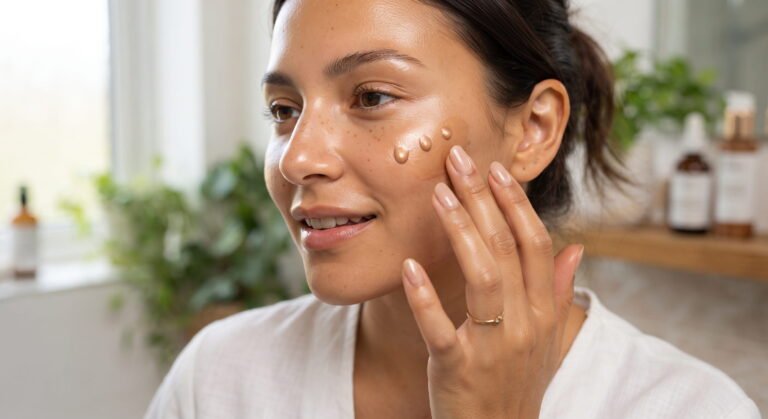
Use your ring finger to place small dots around the orbital bone, following the product’s instructions. Avoid applying cream directly into the eyes or too close to the lash line.
Step 4: Pat Instead of Rubbing
Gently tap the product into the skin. Avoid pulling or stretching the delicate area.
Step 5: Complete Your Skincare Routine
Apply your regular moisturizer if needed. During the morning, finish with broad-spectrum SPF 30 or higher and protect the eye area with suitable sunglasses.
Morning vs. Night: When Should You Use Eye Cream?
The ideal application time depends on the ingredients and your skincare goals.
Morning use: Hydrating and caffeine-based products may help the eye area look refreshed. Vitamin C formulations can also fit into a morning routine. Apply sunscreen as directed.
Nighttime use: Rich moisturizers, peptides, and certain retinol-based eye products may be suitable for nighttime application. Follow the manufacturer’s directions, especially when using retinol.
Some products can be used twice daily, while others are intended for once-daily use.
Common Mistakes to Avoid When Using Eye Cream
Even a good product may cause problems when applied incorrectly.
- Applying too much: A small amount is generally sufficient.
- Rubbing the skin: Excessive friction may irritate the delicate eye area.
- Using facial retinol too close to the eyes: Not every retinol product is designed for eyelid skin.
- Expecting instant results: Most improvements in fine lines and pigmentation take time.
- Ignoring sunscreen: Sun exposure can contribute to premature aging and pigmentation.
- Choosing products based only on marketing: Ingredients and formulation matter more than attractive packaging.
- Applying products to irritated skin: Allow the area to recover before introducing active ingredients.
How Long Does Eye Cream Take to Work?
The timeline depends on the ingredients and the concern being treated.
Hydrating products may improve the appearance of dryness relatively quickly. Puffiness may temporarily look better after using a suitable caffeine-based product.
Fine lines and pigmentation usually require more consistent use over several weeks or months. Some concerns, especially genetically influenced dark circles or under-eye hollowness, may not respond significantly to topical skincare.
Consistent use and realistic expectations are important.
Is Eye Cream Necessary for Everyone?
Eye cream is not essential for every person. A gentle facial moisturizer may provide enough hydration for some individuals, provided it is suitable for the eye area.
A dedicated product may be helpful if you have specific concerns such as dryness, fine lines, or puffiness. People with sensitive skin may benefit from a simpler routine rather than adding multiple products.
The best approach is to choose skincare according to your needs instead of following every beauty trend.
When Should You Consult a Dermatologist?
Consult a dermatologist if you experience persistent discoloration, ongoing irritation, or skin changes around the eyes that do not improve with gentle skincare.
Sudden swelling, pain, redness, vision changes, or swelling affecting only one eye may require prompt medical evaluation. Do not assume these symptoms are simply signs of tiredness.
A dermatologist can help distinguish between pigmentation, allergies, dermatitis, age-related changes, and other conditions that may require different treatments.
Conclusion
Eye cream can be a useful addition to a skincare routine when selected according to your specific concerns. Hydrating ingredients such as hyaluronic acid and ceramides support moisture, while caffeine, niacinamide, peptides, and retinol may help address different cosmetic concerns.
Gentle application, consistent use, and daily sun protection are essential for maintaining healthy-looking skin around the eyes. Choose a suitable formula, avoid irritating ingredients, and remember that not every under-eye concern can be corrected with skincare alone.
Frequently Asked Questions
1. What does eye cream do?
Eye cream helps hydrate the delicate skin around the eyes and may improve the appearance of fine lines, dryness, puffiness, and certain types of dark circles.
2. At what age should I start using eye cream?
There is no fixed age. People can introduce an eye moisturizer whenever they experience dryness or have specific skincare concerns.
3. Can eye cream remove dark circles permanently?
No. Some ingredients may improve pigmentation-related dark circles, but genetic factors, visible blood vessels, and under-eye hollowness may not respond to topical products.
4. Should I apply eye cream before or after moisturizer?
Generally, apply eye cream after cleansing and before your regular moisturizer, unless the product instructions recommend a different order.
5. Can I use eye cream twice a day?
Many hydrating eye creams can be used morning and evening. Products containing retinol or other active ingredients may have different instructions.
6. Is retinol eye cream safe?
Retinol eye creams can be suitable when properly formulated and used according to directions. Start gradually and discontinue if significant irritation develops.
7. Does caffeine eye cream help with puffiness?
Caffeine may temporarily improve the appearance of under-eye puffiness. Its effects are generally cosmetic rather than a permanent solution.
8. Can I use regular moisturizer instead of eye cream?
Yes, if your moisturizer is gentle and suitable for use around the eyes. A dedicated eye product may be helpful for specific concerns.
9. How much eye cream should I apply?
A small amount, often around a rice-grain-sized quantity for both eyes, is usually enough. Follow the product’s instructions.
10. How long does it take for eye cream to show results?
Hydration may improve quickly, while changes in fine lines and pigmentation can take several weeks or months. Results depend on the formulation and underlying concern.