Wedding Makeup: Bridal Looks, and How to Make It Last
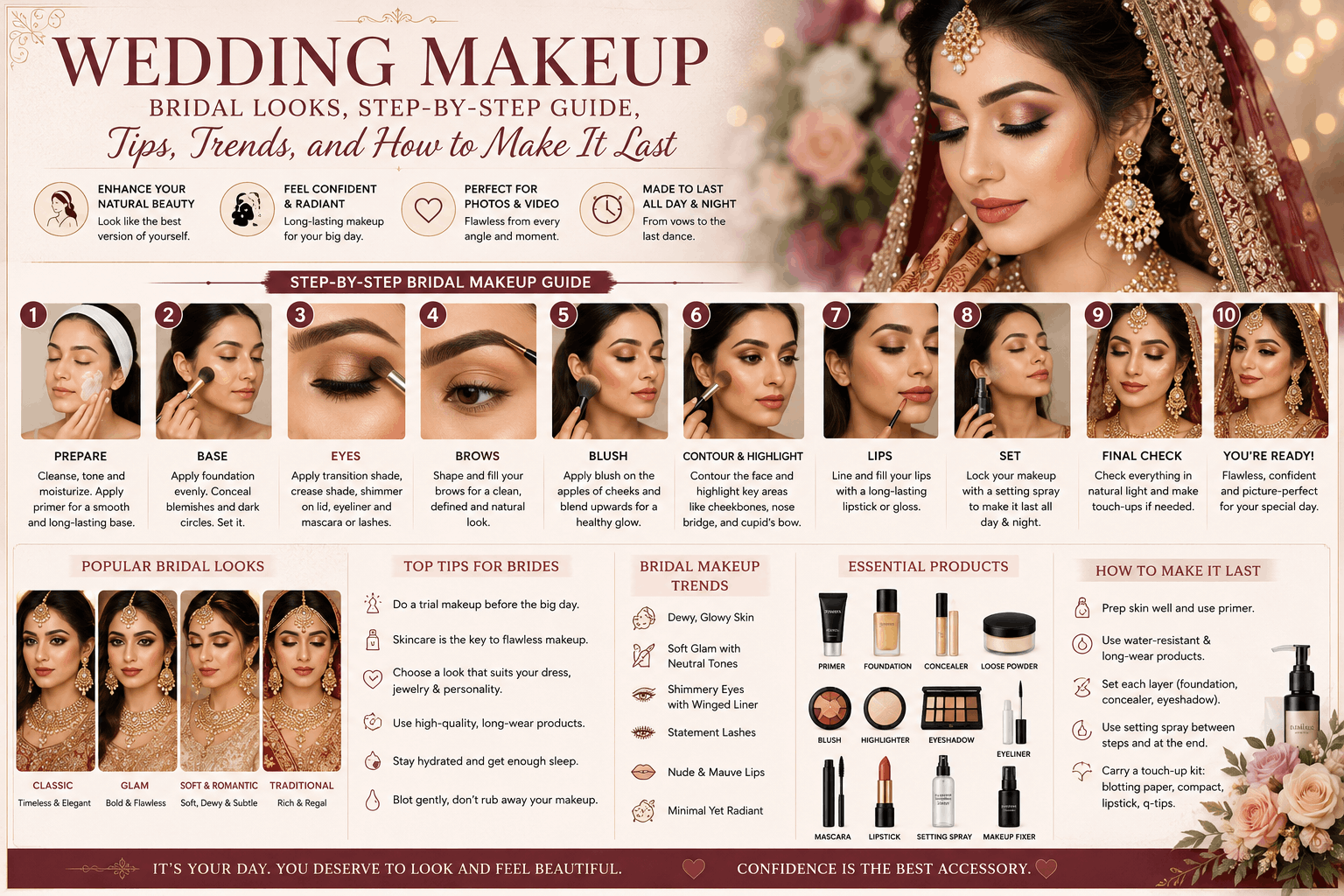
Introduction
Your wedding day is one of those occasions when makeup has to do much more than simply look beautiful in the mirror. It needs to complement your outfit, work with your hairstyle and jewelry, look natural under different types of lighting, photograph well, and stay comfortable through hours of ceremonies, greetings, photographs, food, and celebrations. That is why choosing the right wedding makeup requires more planning than an ordinary makeup routine.
Modern bridal beauty is also moving toward more personalized looks. Instead of every bride wearing the same heavy foundation, dramatic contour, and bold eye makeup, current trends increasingly favor radiant skin, softer definition, natural-looking brows, and makeup that enhances the bride’s own features.
For Pakistani weddings, the look can also change according to the event. A fresh and colorful Mehndi look, glamorous Barat makeup, elegant Walima makeup, and understated Nikah makeup can each have a different personality.
This complete guide explains how to choose wedding makeup, prepare your skin, select the right base, create different bridal looks, make makeup last longer, and avoid common mistakes.
What Is Wedding Makeup?
Wedding makeup is a specially planned makeup look designed for a bride or wedding guest. Bridal makeup usually focuses on creating a polished appearance that remains attractive in person and in photographs.
Compared with everyday makeup, wedding makeup often involves:
- Longer-wearing products
- More detailed eye makeup
- Carefully matched foundation
- Strategic contouring and highlighting
- Defined brows
- Long-lasting lip color
- False lashes when desired
- Setting products
- Extra attention to photography
The objective is not necessarily to use more makeup. A successful bridal look should balance coverage, definition, comfort, and the bride’s personal style.
Why Skin Preparation Matters Before Wedding Makeup
Beautiful bridal makeup starts before foundation.
If the skin is dehydrated, flaky, irritated, or overloaded with unfamiliar products, achieving a smooth base can become difficult. Makeup professionals consistently emphasize skin preparation because a well-prepared surface allows makeup to apply more evenly and can support better wear.
A basic pre-makeup routine can include:
- Gentle cleansing
- Appropriate moisturizer
- Sunscreen for daytime events
- Primer if needed
Avoid experimenting with a completely new skincare routine immediately before the wedding. A product that causes irritation or breakouts is the last thing you want before an important event.
If you have ongoing acne, significant pigmentation, sensitivity, or another skin concern, professional dermatology advice well before the wedding can be more useful than trying multiple new products at the last minute.
How to Prepare Your Skin Before the Wedding
Ideally, bridal skin preparation should begin well before the wedding rather than relying on a last-minute facial.
A consistent routine can help you understand what your skin tolerates and what actually works for you. Bridal skincare guidance also emphasizes starting preparations months ahead when possible rather than expecting a single treatment shortly before the event to transform the skin. (HERSHAY)
A Few Days Before
Keep your routine simple and familiar.
Avoid:
- Aggressive exfoliation
- Unfamiliar active ingredients
- Unplanned cosmetic treatments
- Picking blemishes
- Excessive scrubbing
The goal is calm, comfortable skin rather than an ambitious skincare experiment.
Step-by-Step Wedding Makeup Tutorial
Step 1: Cleanse and Moisturize
Begin with clean skin. Apply a moisturizer appropriate for your skin type and allow it to absorb.
Do not apply a huge amount of moisturizer immediately before foundation. Too much product can interfere with the base and cause it to move.
Step 2: Apply Primer
Primer is optional, but it can be useful for bridal makeup.
Choose the formula according to your skin:
- Hydrating primer for dry-feeling skin
- Smoothing primer for visible texture
- Oil-controlling primer for areas prone to shine
- Gripping primer when you want extra makeup adherence
Modern primer formulas are increasingly designed to hydrate, smooth, blur, or improve makeup longevity. (Who What Wear)
You do not necessarily need the same primer on every part of your face. Some makeup artists use different products strategically depending on the skin.
Step 3: Apply Color Corrector if Needed
Color correction can help neutralize certain areas before concealer.
For example, depending on skin tone and the specific concern, peach or orange-toned correctors may be used for certain dark areas.
Use a thin layer. The corrector should support your concealer rather than become visible underneath it.
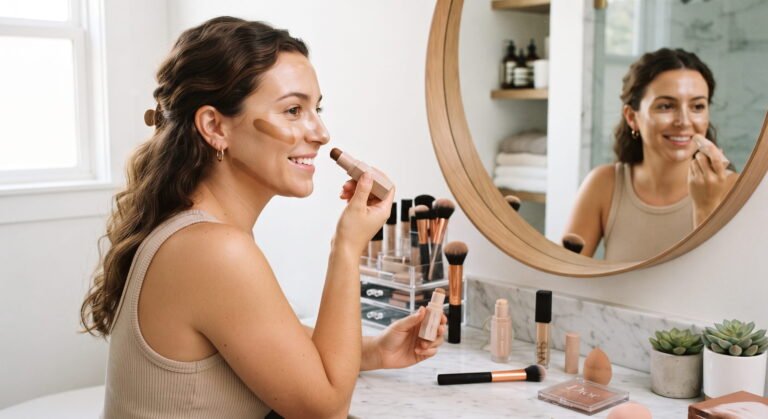
Step 4: Apply Foundation
Foundation is one of the most important parts of wedding makeup.
Choose a shade that matches your skin depth and undertone as closely as possible. The goal is not to make the face several shades lighter.
For bridal makeup, build coverage gradually. Applying a thin layer first and adding more only where necessary can help maintain a more skin-like finish.
The current bridal direction is increasingly focused on luminous or satin skin rather than extremely heavy, flat matte coverage.
Step 5: Apply Concealer
Use concealer where additional coverage is needed.
Typical areas include:
- Under the eyes
- Around the nose
- Blemishes
- Pigmentation
- Areas that need additional brightness
Avoid automatically applying a thick layer underneath the entire eye. A smaller amount placed strategically can look smoother and more natural.
Step 6: Set the Base
Use powder selectively.
The purpose of powder is to control unwanted shine and help certain areas remain in place, not necessarily to make the entire face completely matte.
For a luminous bridal look, you can leave some areas of the face with a natural sheen while setting areas that tend to crease or become oily.
Step 7: Define the Brows
Brows frame the face and can strongly influence the overall bridal look.
Instead of creating extremely dark, sharp brows, consider filling sparse areas with controlled strokes and using brow gel to hold the hairs in place.
Current bridal trends increasingly favor fuller, softer, more natural-looking brows rather than highly sculpted shapes.
Step 8: Create the Eye Makeup
Your eye makeup should complement your outfit and overall bridal style.
For a classic bridal look, you might use:
- Neutral brown transition shade
- Champagne or gold shimmer
- Deeper brown outer corner
- Soft eyeliner
- Mascara
- False lashes
Pakistani Barat, deeper smoky eyes, metallic shimmer, and more defined lashes can create a glamorous appearance.
For a Nikah or daytime ceremony, softer neutral shades can look elegant without feeling excessive.
Step 9: Apply Eyeliner
Eyeliner can be subtle or dramatic.
A thin line close to the lashes creates definition without dominating the eye. A wing can add more drama, particularly for evening makeup.
If you normally wear eyeliner, your wedding day is not the best time to experiment with an entirely unfamiliar technique.
Step 10: Add False Lashes
False lashes can enhance bridal eye makeup and make the eyes more visible in photographs.
Choose a style that matches the rest of your makeup.
Very heavy lashes can overwhelm a soft bridal look, while lighter lashes may disappear beneath strong eye makeup.
Make sure the lash adhesive is suitable for cosmetic use and that you have tested the products before the wedding.
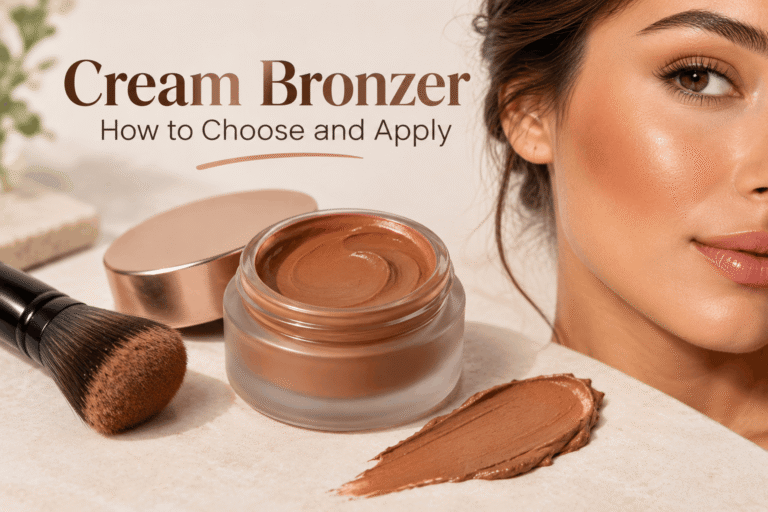
Step 11: Contour and Bronze
Contouring can add structure, while bronzer adds warmth.
For a modern bridal appearance, both should generally be blended carefully rather than creating harsh lines.
Focus on areas such as:
- Cheekbones
- Jawline
- Temples
- Sides of the nose, if desired
Current bridal trends are moving toward softer contour rather than extremely carved facial shapes.
Step 12: Apply Blush
Blush is especially important because it gives the complexion freshness and dimension.
Apply gradually and blend upward according to the shape you want.
Popular bridal shades include:
- Soft pink
- Rose
- Peach
- Coral
- Terracotta
- Mauve
Cream and powder blush can both work. The best choice depends on the rest of your base and the finish you want.
Recent bridal beauty coverage also highlights blush as an increasingly important part of modern wedding looks. (Elle Egypt)
Step 13: Add Highlighter
Highlighter can give the skin a beautiful glow, especially in photographs.
Apply it strategically to:
- Upper cheekbones
- Inner corners
- Brow bone when appropriate
- Cupid’s bow
- A small amount on the bridge of the nose
Avoid excessive highlighter over areas with prominent texture if you want a smoother photographic finish.
Step 14: Create the Bridal Lip
Your lip color should complement your outfit and eye makeup.
Popular choices include:
- Nude
- Rose
- Pink
- Mauve
- Peach
- Berry
- Classic red
- Deep red
For a dramatic eye, a softer lip can create balance. If the eyes are relatively subtle, a stronger lip can become the focal point.
Use lip liner to improve definition and help create a clean shape.
Step 15: Set the Makeup
A suitable setting spray can help bring the layers together and support longevity.
However, long-lasting makeup is not created by setting spray alone. Proper skin preparation, suitable products, thin layers, and strategic powder all contribute to the final result. (Chelsea Crocos)
Wedding Makeup for Different Pakistani Events
Pakistani weddings often include several functions, and each one gives you an opportunity to create a different look.
Nikah Makeup
Nikah makeup can be elegant and understated.
Consider:
- Soft luminous base
- Natural brows
- Neutral eyes
- Light blush
- Nude or rose lip
- Soft lashes
The goal is polished rather than dramatic.
Mehndi Makeup
Mehndi is an excellent opportunity to experiment with color.
Consider:
- Peach or coral blush
- Warm eyeshadow
- Gold shimmer
- Green or colorful accents
- Glossy lips
- Fresh skin
The makeup can reflect the colorful and celebratory character of the event.
Barat Makeup
Barat is traditionally the most glamorous event for many Pakistani brides.
Popular choices include:
- Defined base
- Smoky eyes
- Gold or metallic shimmer
- Full lashes
- Sculpted but blended contour
- Bold lip
- Stronger highlight
The important thing is to maintain balance. If your eyes are very dramatic, consider keeping the lips slightly softer, or reverse the approach.
Walima Makeup
Walima makeup often works beautifully with a softer, sophisticated aesthetic.
Try:
- Luminous skin
- Rosy blush
- Neutral eyes
- Soft eyeliner
- Wispy lashes
- Nude or muted pink lips
This fits the broader 2026 movement toward skin-like, refined bridal makeup.
Wedding Makeup Trends in 2026
Bridal makeup is becoming more personalized in 2026.
Skin-Like Glow
Instead of completely covering the natural appearance of skin, many current bridal looks focus on luminous, healthy-looking skin.
Soft Glam
Soft glam sits between minimal makeup and full dramatic makeup. It typically combines defined eyes, polished skin, blush, and carefully balanced lips.
Natural Brows
Fuller, softer brows are replacing extremely sharp and heavily drawn shapes in many bridal looks.
Romantic Blush
Blush is becoming more prominent, with pink, peach, rose, and warm tones adding dimension.
Personalized Details
Rather than copying a celebrity or influencer exactly, brides are increasingly choosing details that match their personality, dress, jewelry, and overall wedding aesthetic. Current wedding makeup coverage strongly emphasizes communicating specific preferences with the makeup artist instead of simply requesting “full glam.”
HD Makeup vs Traditional Bridal Makeup
You may hear terms such as HD makeup and traditional makeup when booking a bridal artist.
HD makeup generally refers to makeup designed to appear refined under high-resolution photography and strong lighting. The exact products and techniques vary by artist.
Traditional bridal makeup can involve more conventional layering and coverage techniques.
Neither label automatically guarantees a better result. The skill of the makeup artist, shade matching, skin preparation, product selection, lighting, and application technique matter greatly.
How to Make Wedding Makeup Last All Day
A wedding can involve many hours of activity, so longevity matters.
Use Thin Layers
Heavy layers can crease, separate, or feel uncomfortable. Build coverage gradually.
Match Products to Your Skin
If your skin becomes oily, strategic powder and appropriate base products can help. If your skin is dry, hydration and careful layering become more important.
Carry a Touch-Up Kit
A small bridal touch-up kit can include:
- Lipstick
- Lip liner
- Compact powder
- Blotting papers
- Cotton swabs
- Small mirror
Blotting papers can be especially useful for controlling shine without repeatedly adding powder.
Practice the Full Look
A trial is one of the most useful steps before the wedding. Wear the proposed makeup for several hours and, ideally, photograph it under different lighting.
A bridal trial can reveal problems with foundation shade, lash comfort, lipstick longevity, or eye makeup before the actual event.
How to Choose a Wedding Makeup Artist
Look beyond social media filters and heavily edited photographs.
When evaluating an artist, consider:
- Real bridal portfolios
- Before-and-after work
- Different skin tones
- Different face shapes
- Makeup style
- Client reviews
- Hygiene practices
- Trial availability
- Products used
- Touch-up policy
- Timing
- Pricing and package details
Most importantly, choose someone whose aesthetic matches your own.
If you prefer natural, skin-like makeup, an artist known primarily for extremely heavy glam may not be the right fit.
Common Wedding Makeup Mistakes
Trying a New Skincare Product
A last-minute reaction can create unnecessary stress.
Choosing a Foundation That Is Too Light
This can create an unnatural appearance, particularly in photographs.
Overdoing Contour
Heavy contour can make the face appear harsh.
Using Too Much Highlighter
Excessive shine can emphasize texture and appear distracting in flash photography.
Copying Someone Else’s Makeup
A look that suits another bride may not suit your features, dress, or personality.
Skipping the Makeup Trial
A trial gives you an opportunity to identify problems before the wedding day.
Applying Too Much Powder
Too much powder can make radiant skin look dry or flat.
Wedding Makeup for Different Skin Types
Dry Skin
Prioritize hydration and avoid excessive powder.
A luminous or satin finish may work particularly well.
Oily Skin
Use lightweight hydration followed by strategic oil control. Set areas that become shiny rather than automatically applying heavy powder everywhere.
Combination Skin
You may need different strategies for different parts of your face.
For example, hydrate drier areas while using a more mattifying product around the T-zone.
Sensitive Skin
Keep your routine simple and use products you already know your skin tolerates. Avoid introducing multiple new products shortly before the event.
Final Thoughts
The best wedding makeup is not simply the most dramatic makeup. It is a carefully planned look that makes you feel confident while complementing your features, outfit, jewelry, hairstyle, venue, and photography.
Start with healthy and well-prepared skin, choose your foundation carefully, build coverage gradually, and balance the intensity of your eyes, cheeks, and lips. Most importantly, have a makeup trial before the wedding so you can test the complete look rather than making decisions on the actual day.
In 2026, bridal beauty is increasingly moving toward luminous skin, softer contour, natural brows, romantic blush, and personalized glam. Whether you prefer a traditional Pakistani bridal look, modern soft glam, a colorful Mehndi style, or an elegant Walima finish, the goal should always be the same: look like yourself, beautifully refined for one of the most memorable days of your life.
FAQs About Wedding Makeup
1. What is the best wedding makeup look?
The best wedding makeup look depends on your personal style, outfit, skin tone, wedding event, and photography. Soft glam, luminous skin, and balanced eye and lip makeup are popular choices.
2. How early should I book a bridal makeup artist?
Popular makeup artists can become unavailable well in advance, especially during busy wedding seasons. It is sensible to begin researching artists early and book once you are confident about your choice.
3. Do I need a bridal makeup trial?
Yes. A trial allows you to test your foundation shade, eye makeup, lashes, lipstick, overall style, and how the makeup wears over time.
4. What makeup is best for a Pakistani bride?
It depends on the event. Mehndi often works well with colorful, fresh makeup, Barat can support more glamorous eyes and defined makeup, while Walima often suits softer luminous makeup.
5. How can I make bridal makeup last longer?
Start with appropriate skin preparation, use products suited to your skin type, apply thin layers, set strategically, and carry a small touch-up kit.
6. Is HD makeup better than regular bridal makeup?
Not necessarily. HD makeup is a technique or marketing category rather than a guarantee of quality. The artist’s skill, product selection, shade matching, and application technique are more important.
7. Should bridal makeup be matte or dewy?
Either can work, but current bridal trends increasingly favor satin, luminous, and skin-like finishes rather than extremely heavy matte coverage.
8. What lip color should a bride wear?
Nude, rose, pink, mauve, peach, red, and deeper berry shades can all work. Choose according to your outfit, skin tone, eye makeup, and personal preference.
9. How should I prepare my skin before wedding makeup?
Maintain a consistent skincare routine, moisturize appropriately, use daytime sunscreen, and avoid experimenting with new products immediately before the wedding. Good skin preparation can make makeup application smoother.
10. What should I keep in my bridal makeup touch-up kit?
Keep your lipstick or lip gloss, compact powder, blotting papers, cotton swabs, and a small mirror. These essentials can help you refresh your makeup throughout the celebrations.