Gel Manicure: Benefits, Process, Removal, and Nail Care Tips
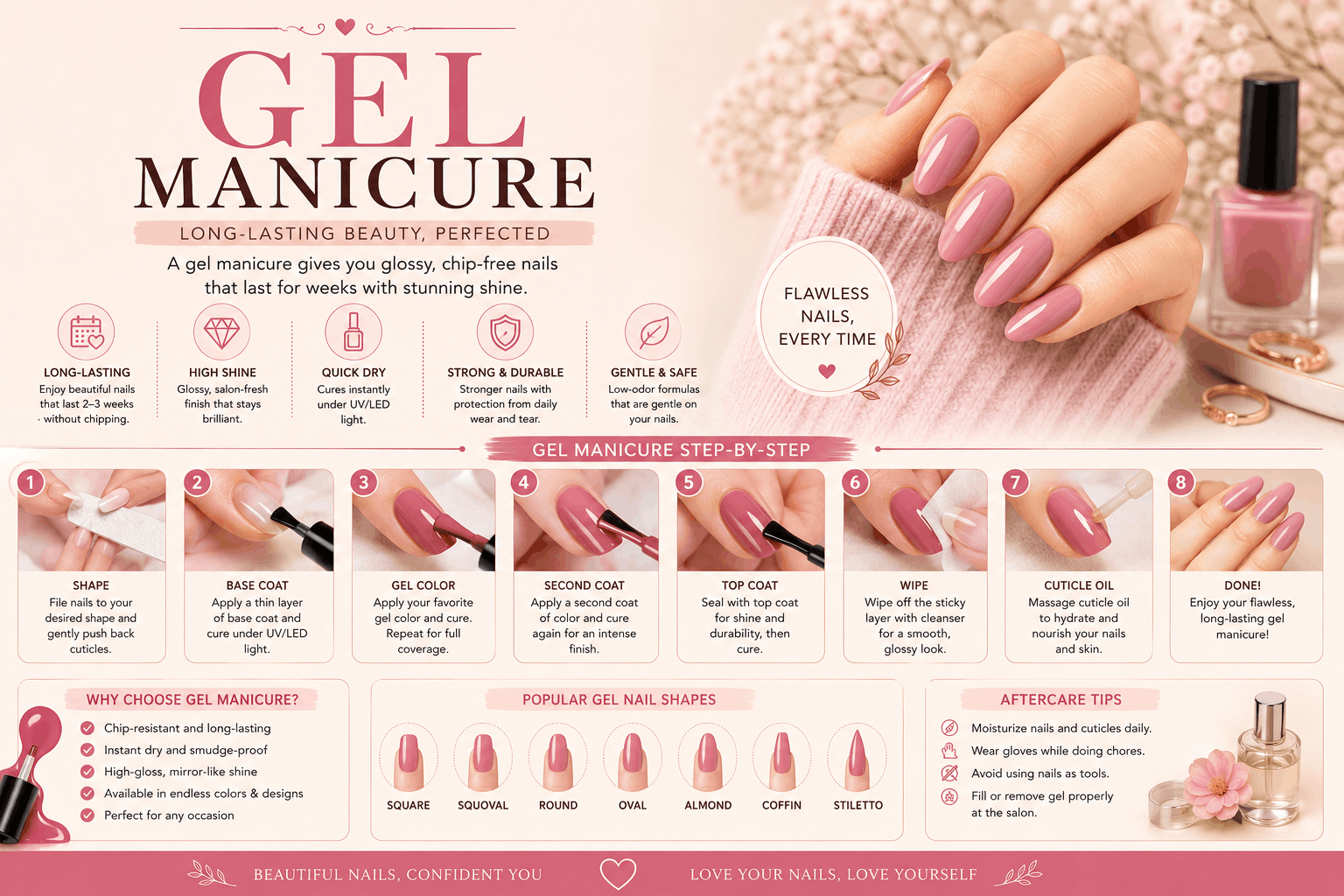
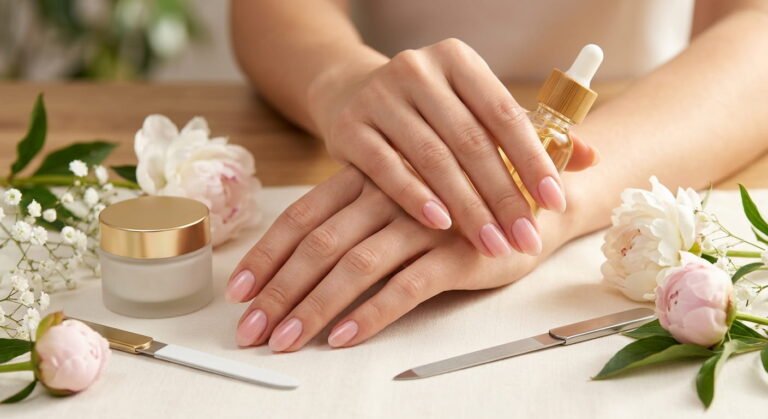
A gel manicure is a popular nail treatment that gives the nails a smooth, glossy, and durable finish. Unlike traditional nail polish, gel products are hardened under a special lamp, allowing the color to set firmly on the nail. This makes gel manicures attractive for people who want polished-looking nails that can stay neat for considerably longer than ordinary polish.
Gel manicures are available in countless colors, finishes, and designs. From simple nude shades to detailed nail art, they can be adapted to almost any personal style. However, the long-lasting finish does not mean that gel nails are completely risk-free. Incorrect application, aggressive removal, repeated treatments, or poor salon hygiene can contribute to nail and skin problems.
Understanding how gel manicures work, how to choose a safer salon, and how to remove the product correctly can help you enjoy the appearance of gel nails while reducing unnecessary damage.
What Is a Gel Manicure?
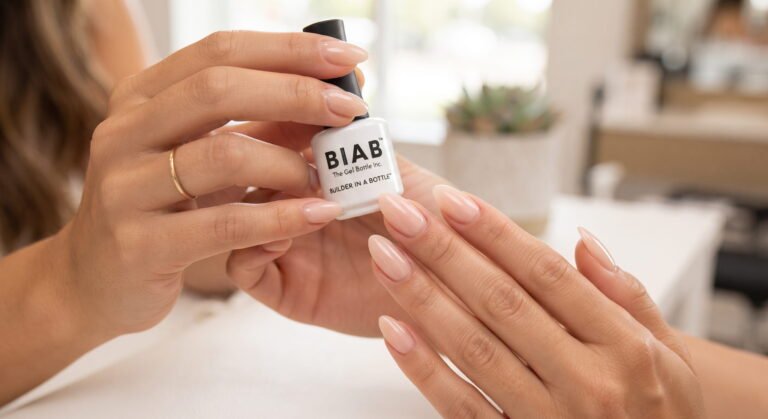
A gel manicure uses a specially formulated gel polish that is applied to the natural nail in layers. Each layer is cured using a UV or LED lamp so that it hardens before the next layer is added.
A typical treatment may include nail preparation, base gel, colored gel polish, and a top coat. The result is usually a shiny and even surface that feels more durable than conventional nail polish.
One important difference is that gel polish is designed to be cured rather than simply air-dried. This curing process is what gives the manicure its characteristic hard finish.
How Does a Gel Manicure Work?
Although the exact salon procedure varies, the basic process usually follows several stages.
1. Nail Preparation
The technician first cleans the nails and removes any previous polish. Nails may then be shaped according to the desired length and style.
The natural nail surface should be handled gently. Excessive filing can make nails thinner and weaker.
2. Cuticle Care
The surrounding area is cleaned and prepared before the gel is applied. Ideally, aggressive cutting of the cuticles should be avoided because cuticles help protect the area around the nail from infection.
3. Base Coat
A thin layer of gel base coat is applied. It provides a foundation for the color and helps the product adhere to the nail.
4. Curing
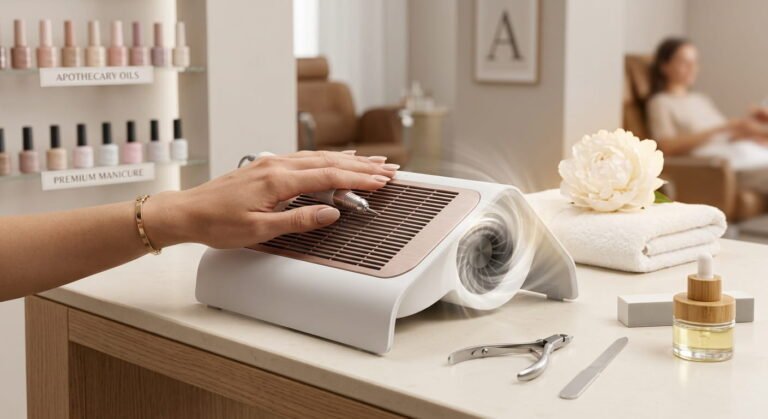
The nails are placed under a suitable UV or LED lamp. The curing time depends on the product and the manufacturer’s instructions.
5. Color Application
One or more thin coats of colored gel polish are applied. Each layer is cured separately.
6. Top Coat
A protective top layer is added to create the final shine and improve durability.
7. Final Finish
After the final curing stage, the technician checks the nails, cleans the surrounding skin if necessary, and applies cuticle oil or moisturizer.
How Long Does a Gel Manicure Last?
One of the biggest reasons people choose gel manicures is their durability. A well-applied gel manicure can remain attractive for around two to three weeks, although the exact period varies.
Factors that influence longevity include:
- Nail growth
- Quality of the products
- Application technique
- Exposure to water and chemicals
- Daily household activities
- Nail condition
- How carefully the manicure is maintained
Even when the polish still looks intact, the growing gap between the polish and the cuticle can make the manicure appear less fresh.
Benefits of a Gel Manicure
Long-Lasting Finish
Gel polish generally stays attractive longer than ordinary nail polish. This makes it convenient for people who do not want to repaint their nails frequently.
Glossy Appearance
Gel products can create a smooth, reflective finish that gives nails a professionally polished appearance.
Quick Curing
Because the polish is cured under a lamp, you do not have to wait for conventional polish to air-dry completely.
Many Design Options
Gel manicures can be used for minimalist styles, French tips, gradients, seasonal colors, chrome effects, and detailed nail art.
Reduced Chipping
Gel polish can be more resistant to everyday chipping than traditional polish when properly applied and maintained.
Are Gel Manicures Safe?
For many people, occasional gel manicures can be part of a normal cosmetic routine. However, they are not completely without potential problems.
The American Academy of Dermatology notes that repeated gel manicures can contribute to nail brittleness, peeling, and cracking. It also recommends considering measures that reduce UV exposure and giving nails breaks between artificial nail treatments.
Safety depends on several factors, including:
- Product quality
- Salon hygiene
- Application technique
- Lamp exposure
- Frequency of treatments
- Removal method
- Existing nail health
A manicure that looks beautiful on the surface can still cause problems if the natural nail is repeatedly filed, peeled, or exposed to harsh removal techniques.
Potential Risks of Gel Manicures
Nail Weakness
Repeated gel treatments may leave some nails thin, brittle, or prone to splitting, particularly when the nail surface is aggressively filed.
Peeling and Cracking
Removing gel incorrectly or repeatedly applying products without allowing the nails to recover can contribute to peeling and cracking.
Skin Irritation
Some nail products can irritate the skin. If uncured gel touches the surrounding skin, it may increase the chance of irritation or allergic reactions in susceptible individuals.
UV Exposure
The curing process can expose the hands to ultraviolet radiation. The AAD recommends considering an LED curing light rather than a traditional UV curing light because LED lamps generally cure products more quickly and can reduce UV exposure.
Nail Infection
Poor salon hygiene or damage to the surrounding skin can increase the possibility of infection. Cutting the cuticles aggressively is particularly undesirable because cuticles provide a protective barrier.
Gel Manicure vs. Regular Manicure
The main difference is the type of polish and how it dries.
A traditional manicure uses regular nail polish that dries through exposure to air. Gel polish requires curing with a lamp.
Regular polish may be easier to remove and can be a simpler option for people who want to minimize repeated exposure to gel products. Gel polish, on the other hand, is generally chosen for its longer-lasting finish and glossy appearance.
Neither option is automatically perfect for everyone. Your choice can depend on your nail condition, lifestyle, desired appearance, and how frequently you want to maintain your manicure.
Gel Manicure vs. Acrylic Nails
Gel manicures and acrylic nails are sometimes confused, but they are different treatments.
A standard gel manicure usually involves gel polish applied over the natural nail. Acrylic enhancements generally involve a stronger artificial material that can be used to add length and structure.
The AAD notes that soak-off gel options may be more flexible than acrylic nails, although gel treatments can still contribute to brittleness, peeling, and cracking.
If your goal is simply to add color and shine, a gel manicure may be sufficient. If you want substantial length or structural enhancement, other nail-extension systems may be considered.
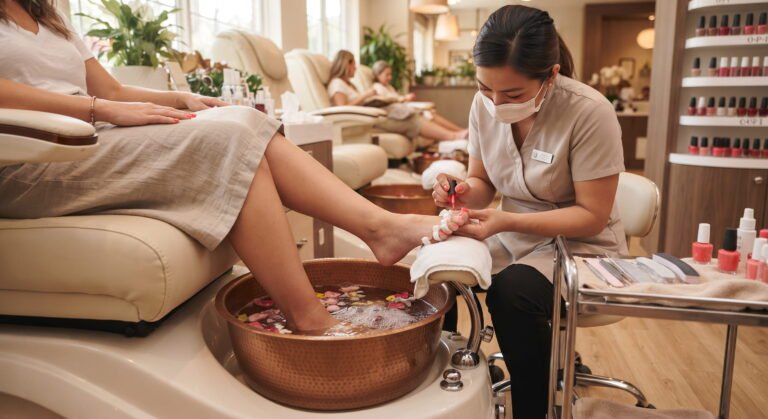
How to Choose a Safe Nail Salon
Choosing the right salon can make a major difference.
Look for a salon where:
- Tools are properly cleaned and disinfected.
- Work surfaces are kept clean.
- Technicians wash or sanitize their hands between clients.
- Products are stored appropriately.
- Disposable items are not reused.
- The technician avoids unnecessary cutting of cuticles.
- The technician does not apply gel directly onto surrounding skin.
- Lamps and products are used according to manufacturer instructions.
Do not hesitate to ask how reusable instruments are cleaned. A professional technician should be comfortable explaining basic hygiene procedures.
How to Protect Your Nails During a Gel Manicure
You do not necessarily have to stop getting gel manicures if you enjoy them. Instead, focus on reducing unnecessary stress on your natural nails.
Avoid Excessive Filing
The natural nail should not be aggressively thinned before applying gel polish.
Don’t Pick the Polish
When gel starts lifting, it can be tempting to peel it away. Doing so may remove layers of the natural nail along with the product.
Take Breaks
If your nails become weak, peeling, or unusually brittle, consider taking a break from gel treatments and allowing them to grow out.
Moisturize Your Cuticles
Regular use of a suitable moisturizer or cuticle oil can help prevent the surrounding skin from becoming excessively dry.
Protect Your Hands
Gloves can help protect your nails and skin when washing dishes or working with household cleaning products.
How to Remove a Gel Manicure
Removal is one of the most important parts of gel nail care.
Trying to scrape, peel, or force the gel away from the natural nail can cause damage. The AAD recommends acetone as an effective method for removing gel polish and warns against picking or scraping it off.
A common professional-style removal process involves:
- Protecting the surrounding skin.
- Using acetone to soften the gel.
- Keeping the product in contact with the nail for the appropriate amount of time.
- Gently removing softened residue.
- Washing the hands afterward.
- Moisturizing the nails and surrounding skin.
If the gel does not loosen easily, forcing it off is not a good idea. A professional nail technician can help remove stubborn product safely.
Can You Remove Gel Polish at Home?
Yes, soak-off gel polish can often be removed at home, but patience is important.
The AAD specifically advises against picking or filing the gel away aggressively because this can damage the natural nail. Its dermatologist-recommended method uses acetone and protective measures around the skin.
If you experience significant pain, bleeding, swelling, severe irritation, or an unusual change in the nail, stop the removal process and consider getting professional or medical advice.
How Often Should You Get a Gel Manicure?
There is no single schedule that works for everyone. Some people get gel manicures regularly, while others reserve them for vacations, weddings, parties, or special events.
If your nails remain healthy, occasional treatments may be easier to tolerate. However, repeated treatments without breaks can increase the opportunity for nail damage.
If you notice:
- Persistent peeling
- Thin nails
- Cracking
- Discoloration
- Pain
- Nail lifting
- Skin irritation
it is sensible to stop treatments and assess the problem rather than simply covering it with another manicure.
Gel Manicure Cost
The price of a gel manicure varies considerably depending on the salon, location, technician, products, nail design, and whether additional services are included.
A basic gel manicure is usually less expensive than elaborate nail art or treatments involving extensions and additional decorations.
Before booking, ask whether the quoted price includes:
- Nail shaping
- Removal of previous gel
- Nail art
- Cuticle care
- Additional coats
- Repairs
This can prevent unexpected charges.
Gel Manicure Ideas
Gel polish offers almost unlimited styling possibilities.
Popular ideas include:
Classic Nude
A soft nude shade provides a clean appearance suitable for everyday wear.
French Gel Manicure
A modern French manicure can use traditional white tips or experiment with different colors.
Minimalist Nail Art
Small dots, lines, tiny flowers, or subtle patterns can create an elegant design without covering the entire nail.
Dark Shades
Deep red, burgundy, brown, navy, and black can create a sophisticated look.
Pastel Colors
Soft pink, lavender, blue, mint, and peach work especially well for spring and summer-inspired designs.
Chrome Effects
Reflective finishes can give gel nails a bold and modern appearance.
When Should You Avoid a Gel Manicure?
It may be better to postpone a gel manicure if your nails are already damaged or if the surrounding skin is irritated.
Consider waiting if you have:
- Open cuts around the nail
- Significant nail splitting
- Unexplained nail discoloration
- Pain or swelling
- Suspected nail infection
- Severe skin irritation
Covering an existing nail problem with cosmetic products can make it harder to monitor the condition. The AAD advises against using artificial nail products to hide damaged nails because this may worsen existing problems.
Final Thoughts
A gel manicure can be an attractive and convenient way to maintain polished-looking nails. Its glossy finish, durability, and wide range of colors make it a popular choice for everyday beauty as well as special occasions.
However, the best gel manicure is not simply the one that looks good when you leave the salon. Healthy preparation, careful application, appropriate lamp use, good hygiene, and gentle removal are equally important.
Avoid peeling the product from your nails, choose a reputable salon, protect your surrounding skin, and give your nails a break if they begin showing signs of damage. With sensible nail care, you can enjoy gel manicures while reducing avoidable problems.
Frequently Asked Questions
1. What is a gel manicure?
A gel manicure is a nail treatment in which gel-based polish is applied to the nails and hardened under a UV or LED curing lamp.
2. How long does a gel manicure usually last?
A gel manicure commonly remains attractive for approximately two to three weeks, although durability depends on nail growth, application quality, and daily activities.
3. Does gel manicure damage natural nails?
It can contribute to brittleness, peeling, and cracking, particularly when treatments are repeated frequently or the product is removed improperly.
4. Can I peel off gel polish?
It is best not to peel gel polish from the natural nail. Forceful removal can take away layers of the nail and cause unnecessary damage.
5. Is an LED nail lamp better than a UV lamp?
LED curing lamps can cure gel products more quickly and may reduce UV exposure compared with conventional UV curing lamps, according to dermatology guidance from the AAD.
6. Can gel polish cause nail peeling?
Yes. Peeling may occur after repeated gel treatments or aggressive removal, especially when the natural nail becomes weakened.
7. Can I get a gel manicure on damaged nails?
It is generally better to address significant nail damage before covering the nails with cosmetic products. Persistent discoloration, pain, lifting, or other unusual changes should be evaluated appropriately.
8. How should gel polish be removed?
Soak-off gel polish is commonly softened with acetone before being gently removed. Scraping or forcefully peeling the product should be avoided.
9. How can I keep my nails healthy after gel polish?
Give your nails breaks when needed, moisturize the surrounding skin, avoid aggressive filing, and never pick off lifted gel.
10. Is gel manicure suitable for everyone?
Not necessarily. People with damaged nails, irritated skin, or unexplained nail changes may benefit from postponing cosmetic treatments until the underlying issue has been addressed.