Cupping Therapy: Benefits, Uses, Risks, and What to Expect
Introduction
Cupping therapy is a traditional complementary practice that uses cups placed on the skin to create suction. It has been used for centuries in different cultures and is now also offered in some wellness centers, sports-recovery settings, and complementary medicine practices.
People commonly seek cupping therapy for muscle tightness, back or neck discomfort, relaxation, and general wellness. Different techniques are available, including dry cupping and wet cupping, and the experience can vary depending on the method used.
Although many people report feeling temporary relief after cupping, scientific evidence for its effectiveness varies by condition. Cupping should therefore be viewed as a complementary approach rather than a replacement for appropriate medical diagnosis or treatment.
What Is Cupping Therapy?
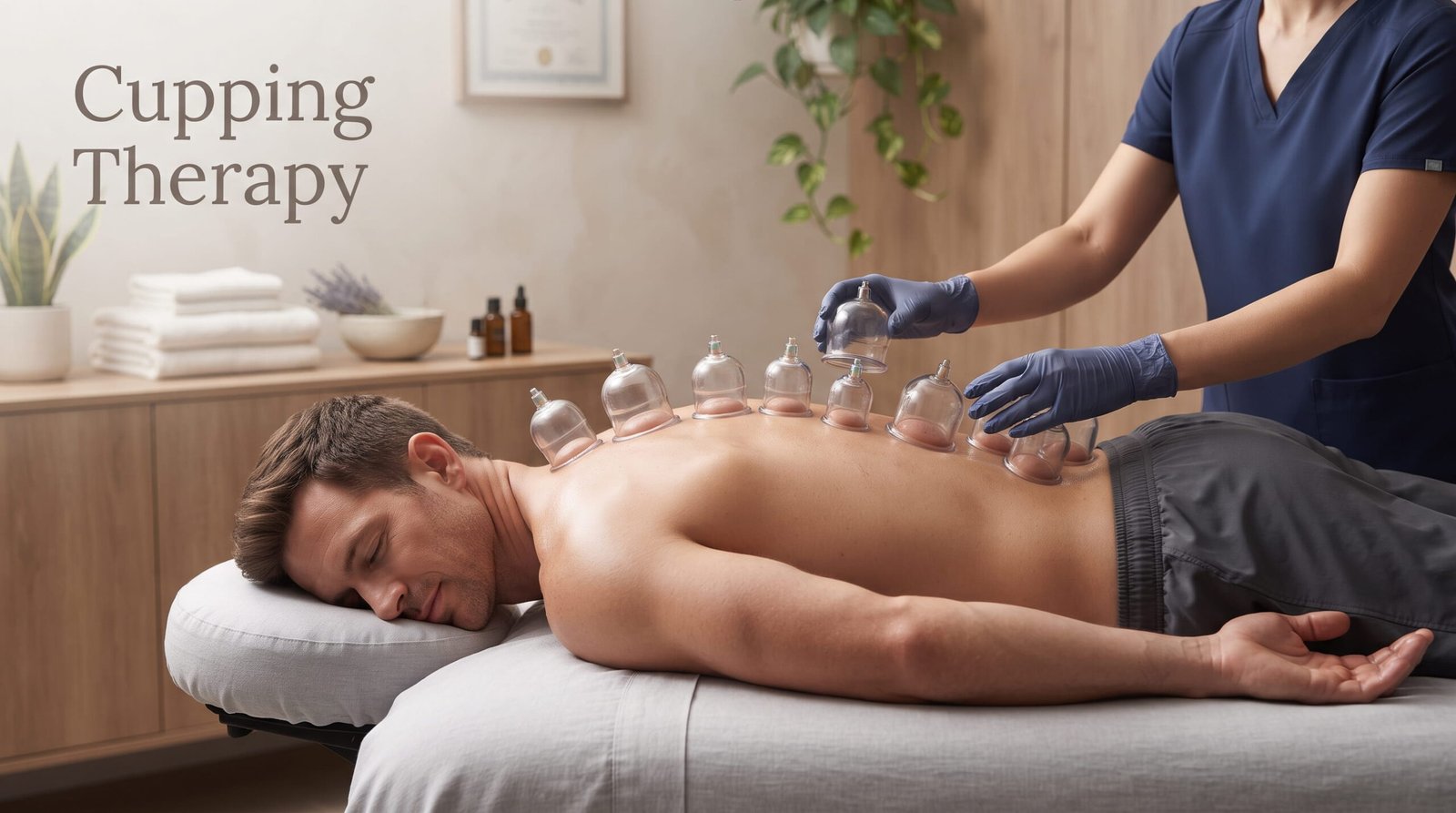
Cupping therapy involves placing specially designed cups against the skin and creating negative pressure inside them. The suction gently pulls the skin and underlying tissues upward into the cup.
Depending on the technique, cups may remain in one position or be moved across the skin with a small amount of oil or lotion.
The goal is generally to stimulate the treated area and provide a sensation of relaxation or temporary relief from muscle discomfort.
How Does Cupping Work?
The suction created by a cup increases the upward pull on the skin and superficial tissues. This can temporarily increase local blood flow and stimulate sensory nerves.
Cupping may also affect how the nervous system processes pain. However, the exact biological mechanisms behind its reported effects are still being studied.
The circular marks left afterward are usually caused by tiny blood vessels near the surface of the skin responding to the suction. They are not the same thing as ordinary bruises caused by a direct impact.
Types of Cupping Therapy
1. Dry Cupping
Dry cupping is one of the most common forms. Cups are placed on intact skin and suction is created without making cuts.
The cups may remain in place for several minutes before being removed.
2. Wet Cupping
Wet cupping involves suction followed by very small superficial skin punctures, after which cups may be reapplied.
Because this technique involves breaking the skin and exposure to blood, sterile equipment and proper infection-control procedures are especially important.
3. Moving Cupping
In moving cupping, a practitioner applies oil or another suitable lubricant to the skin and gently moves the cup across an area.
This technique is often used on larger muscle groups such as the back or thighs.
4. Flash Cupping
Flash cupping involves repeatedly applying and removing cups over a relatively short period. It creates brief episodes of suction rather than keeping the cups stationary for a long time.
Why Do People Try Cupping Therapy?
People may choose cupping as a complementary treatment for:
- Muscle tightness
- Back discomfort
- Neck and shoulder tension
- Sports-related muscle soreness
- General relaxation
- Temporary feelings of stiffness
- Wellness and traditional-health practices
Evidence is not equally strong for all of these uses. A person should not assume that cupping can treat an underlying medical disease simply because it may make a particular area feel better temporarily.
Potential Benefits of Cupping Therapy
May Help With Muscle Tension
Some people experience temporary relaxation of tight muscles following cupping. This may be particularly appealing after exercise or prolonged physical activity.
May Provide Temporary Pain Relief
Research has investigated cupping for several types of pain, including musculoskeletal pain. Some studies suggest possible short-term benefits, although research quality and results vary.
May Promote Relaxation
The treatment environment, gentle pressure, and attention to uncomfortable muscles may make cupping feel relaxing for some people.
May Complement Other Treatments
When appropriately used, cupping can sometimes be incorporated alongside stretching, exercise therapy, physical therapy, or other evidence-based approaches.
It should complement—not replace—treatment for a condition that requires medical care.
Cupping Therapy for Back Pain
Back discomfort is one of the reasons people commonly consider cupping.
Some individuals report temporary improvement in pain or muscle tightness after treatment. However, back pain can have many causes, including muscle strain, arthritis, disc problems, nerve compression, and other conditions.
If back pain is severe, persistent, recurrent, or associated with weakness, numbness, bladder or bowel changes, fever, or unexplained weight loss, medical assessment is more important than simply trying a complementary therapy.
Cupping for Neck and Shoulder Tension
Long periods of sitting, repetitive activities, exercise, and poor posture can contribute to neck and shoulder muscle tension.
Cupping may provide temporary relief for some people, but addressing the underlying cause remains important. Stretching, strengthening exercises, ergonomic changes, adequate rest, and appropriate medical care may be more important for long-term improvement.
Cupping Therapy for Athletes
Some athletes use cupping as part of recovery after demanding workouts.
The goal may be to reduce the sensation of muscle tightness or soreness and promote relaxation. However, cupping should not be considered a proven method for dramatically improving athletic performance.
Recovery still depends on fundamentals such as appropriate training, sleep, nutrition, hydration, and injury management.
What Happens During a Cupping Session?
A typical session may include several steps:
- The practitioner discusses your health history and treatment goals.
- The skin and treatment area are assessed.
- Cups are placed on selected areas.
- Suction is created using the chosen technique.
- Cups remain in place or are moved according to the treatment method.
- The cups are removed.
- The skin is checked before you leave.
Wet cupping requires additional hygiene and wound-care procedures because the skin is intentionally broken.
Do Cupping Marks Hurt?
Cupping can produce a pulling, tight, or warm sensation. Some people find the sensation comfortable, while others may find it uncomfortable.
After treatment, round red, purple, or darker marks can appear. These generally fade gradually over several days, although the duration varies from person to person.
Wet cupping may cause additional tenderness because the skin has been punctured.
How Long Do Cupping Marks Last?
Cupping marks can last anywhere from several days to around a couple of weeks, depending on factors such as suction intensity, treatment duration, skin characteristics, and the individual’s tendency to bruise.
Marks that become increasingly painful, swollen, hot, or develop drainage should not simply be assumed to be normal. They may require medical evaluation.
Is Cupping Therapy Safe?
Cupping can cause side effects, particularly when performed aggressively or without appropriate hygiene.
Possible effects include:
- Temporary skin discoloration
- Bruising
- Mild soreness
- Skin irritation
- Blisters from excessive suction
- Burns when heat-based techniques are used incorrectly
- Infection, particularly when the skin is broken
Wet cupping carries additional risks because blood exposure and skin puncturing are involved.
Who Should Avoid or Discuss Cupping With a Doctor?
Cupping may not be appropriate for everyone.
Talk with a healthcare professional before undergoing treatment if you:
- Have a bleeding or clotting disorder
- Take blood-thinning medication
- Have significant anemia
- Have an active skin infection
- Have open wounds in the proposed treatment area
- Have fragile skin
- Have certain vascular conditions
- Are pregnant and considering treatment over the abdomen or other sensitive areas
- Have a serious underlying medical condition
A qualified practitioner should also know about your medications and relevant health conditions before treatment.
Cupping and Skin Conditions
Cupping should not normally be placed over infected, inflamed, ulcerated, or significantly damaged skin.
People with eczema, psoriasis, dermatitis, or other skin disorders should discuss treatment with a dermatologist or healthcare professional, particularly if the condition is active.
Breaking the skin during wet cupping can introduce bacteria and potentially worsen an existing skin problem.
Cupping Therapy vs Massage
Cupping and massage are different techniques.
Massage uses hands or tools to manipulate soft tissues, while cupping relies primarily on suction. Some practitioners combine the two.
Neither approach should automatically be considered superior for every type of pain. The most appropriate option depends on the underlying problem, individual preferences, and medical circumstances.
How to Choose a Cupping Practitioner
Safety should be a major consideration when selecting a practitioner.
Look for someone who:
- Has appropriate training
- Uses clean, properly maintained equipment
- Follows hand hygiene and infection-control procedures
- Uses sterile, single-use equipment for wet cupping when appropriate
- Explains possible risks
- Asks about your medical history
- Does not make unrealistic promises
- Advises medical evaluation when symptoms suggest an underlying condition
Be especially cautious of anyone claiming that cupping can cure a wide range of serious diseases.
How to Prepare for Cupping
Before a session:
- Tell the practitioner about your medications.
- Mention any bleeding problems or medical conditions.
- Avoid treatment over irritated or broken skin.
- Wear clothing that allows convenient access to the treatment area.
- Stay adequately hydrated.
- Follow any specific instructions provided by the practitioner.
For wet cupping, hygiene and sterile technique are particularly important.
What Should You Do After Cupping?
After treatment, gentle care is usually sufficient.
You can:
- Keep the treated skin clean.
- Avoid aggressively rubbing the area.
- Follow wound-care instructions after wet cupping.
- Stay hydrated.
- Give sore muscles time to recover.
- Monitor the skin for unusual changes.
Avoid repeatedly treating the same area simply because marks have disappeared. Treatment frequency should depend on the individual’s circumstances and the practitioner’s assessment.
When Should You Seek Medical Care?
Cupping marks are generally temporary, but certain symptoms warrant medical attention.
Contact a healthcare professional if you develop:
- Increasing redness or warmth
- Significant swelling
- Pus or drainage
- Fever
- Severe or worsening pain
- Persistent bleeding
- Large blisters or burns
- An unusual skin reaction
If you are using cupping for persistent pain, the more important question is also why the pain is occurring. Persistent symptoms deserve appropriate evaluation.
Can Cupping Cure Diseases?
Cupping should not be promoted as a cure for serious diseases.
It may provide temporary symptom relief for some people, but evidence is insufficient to treat conditions such as cancer, major infections, autoimmune diseases, or other serious illnesses with cupping alone.
Medical diagnosis and evidence-based treatment should not be delayed because of complementary therapy.
Cupping Therapy as Part of a Wellness Routine
For people who enjoy it and have no medical contraindications, cupping may be incorporated into a broader wellness routine.
A sensible approach is to combine complementary practices with proven health habits, including:
- Regular physical activity
- Adequate sleep
- Balanced nutrition
- Stress management
- Appropriate stretching
- Medical care when needed
This approach keeps cupping in its appropriate role rather than relying on it as a universal treatment.
Conclusion
Cupping therapy is a traditional complementary practice that uses suction to stimulate the skin and superficial tissues. Dry, wet, moving, and flash cupping are among the techniques available, and people commonly seek treatment for muscle tension, discomfort, relaxation, and recovery.
Some research suggests that cupping may offer short-term relief for certain types of pain, but evidence remains mixed and it should not replace appropriate medical treatment. Side effects such as temporary marks, soreness, burns, and skin infection are possible, with wet cupping carrying additional risks because the skin is punctured.
Choosing a properly trained practitioner who follows strong hygiene and safety procedures is essential. If pain or another symptom persists, identifying and treating the underlying cause should remain the priority.
Frequently Asked Questions
1. What is cupping therapy?
Cupping therapy is a complementary treatment that uses suction cups placed on the skin. It is commonly used for muscle discomfort, tension, relaxation, and wellness.
2. Does cupping therapy hurt?
Most people describe the sensation as pulling, pressure, or tightness rather than sharp pain. Some soreness or tenderness can occur afterward.
3. How long do cupping marks last?
Marks commonly fade within several days to about two weeks, although the exact duration varies.
4. Is wet cupping different from dry cupping?
Yes. Dry cupping uses suction on intact skin. Wet cupping involves superficial skin punctures and therefore has additional bleeding and infection risks.
5. Can cupping help back pain?
Cupping may provide temporary relief for some people with musculoskeletal back discomfort, but it does not treat every cause of back pain.
6. Can I exercise after cupping?
Light activity may be comfortable for some people, but it is sensible to avoid intense exercise if the treated area is sore. Follow your practitioner’s specific advice.
7. Is cupping safe for everyone?
No. People with certain medical conditions, bleeding problems, fragile skin, or specific medication use may need to avoid it or obtain medical advice first.
8. Can cupping remove toxins from the body?
There is not strong scientific evidence supporting the idea that cupping “detoxifies” the body by removing unspecified toxins.
9. Can cupping cure a medical condition?
Cupping should not be considered a cure for serious medical conditions. It is best regarded as a complementary practice rather than a substitute for evidence-based treatment.
10. When should I see a doctor instead of getting cupping?
Seek medical evaluation when symptoms are severe, persistent, worsening, or accompanied by warning signs such as fever, weakness, significant swelling, unexplained weight loss, or neurological symptoms.