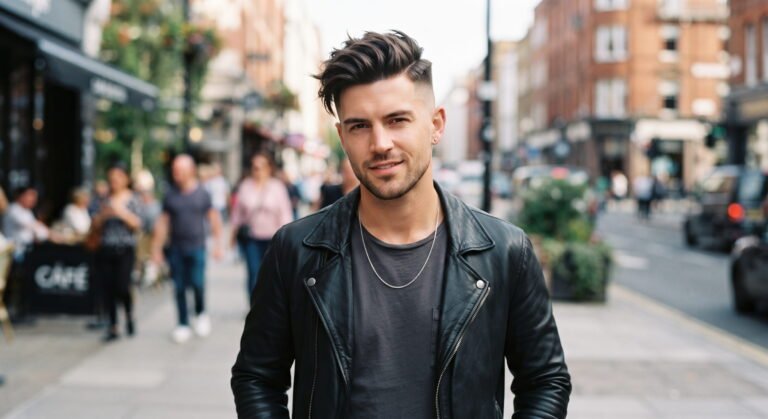
Wolf Cut Men: Styles, Ideas, Styling Tips, and Hair Care Guide
Introduction
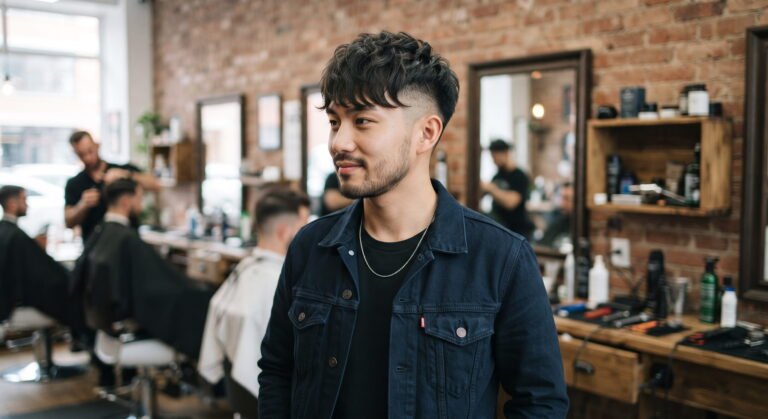
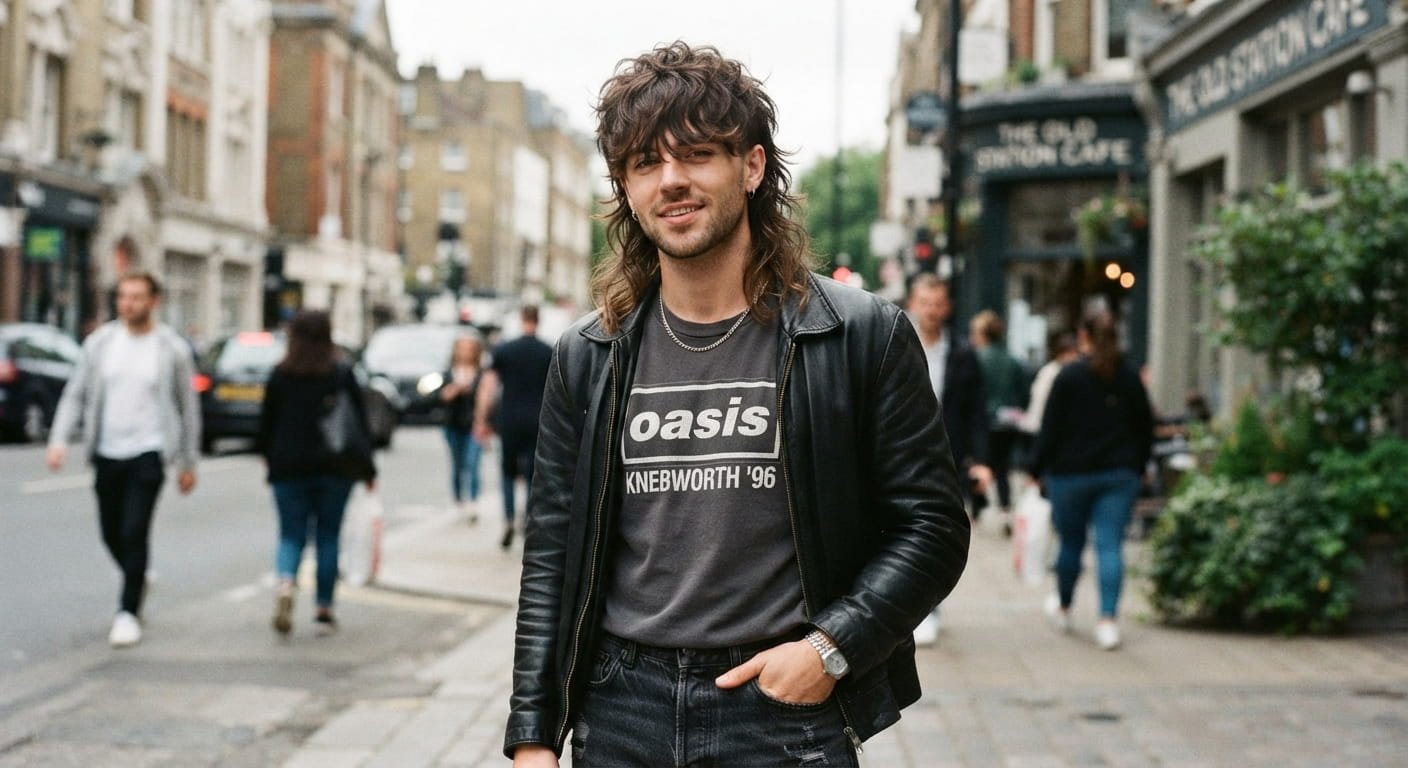
Men’s hairstyles continue to evolve, combining classic cuts with modern trends to create fresh and expressive looks. One style that has gained attention among young men, fashion enthusiasts, and social media users is the wolf cut. This haircut blends the layered texture of a shag with the volume and shape of a mullet, creating a relaxed appearance that can look messy, edgy, or polished depending on how it is styled.
The wolf cut is popular because it offers flexibility. It can be adapted for straight, wavy, and curly hair, as well as different lengths and face shapes. Some versions feature soft layers and subtle volume, while others have dramatic texture, shorter sides, and longer hair at the back.
Whether you want a casual everyday hairstyle or a bold fashion statement, understanding the different variations can help you choose a look that suits your hair type, personal style, and maintenance preferences.
What Is a Wolf Cut for Men?
A wolf cut is a layered hairstyle characterized by volume at the crown, textured ends, and longer sections toward the back. It combines elements of a shag haircut and a mullet, but its overall appearance is usually softer and more blended than a traditional mullet.
The upper layers create height and movement, while the lower sections provide length and shape. Many versions include curtain bangs, choppy fringe, or face-framing layers. The haircut can be customized to look subtle and natural or bold and dramatic.
One of its main features is texture. Instead of having a perfectly uniform shape, the hair is cut into different layers that create movement and a slightly undone finish.
The final result depends on several factors, including hair density, length, natural texture, and the barber’s cutting technique.
Why Is the Wolf Cut Popular Among Men?
The growing interest in this hairstyle comes from its versatility and expressive appearance. It works with casual streetwear, alternative fashion, and more understated everyday outfits.
Here are several reasons men choose this haircut:
- Natural texture: Layers help create movement and dimension.
- Customizable length: The cut can be short, medium, or long.
- Flexible styling: It can look messy, fluffy, sleek, or defined.
- Individual expression: The shape allows for creative fringe and layering.
- Compatibility with different textures: Suitable variations exist for straight, wavy, and curly hair.
- Relaxed appearance: It does not require every strand to sit perfectly in place.
Although the cut can look effortless, the right layering and styling technique are important for achieving a balanced result.
10 Popular Wolf Cut Styles for Men
1. Classic Wolf Cut
The classic version combines a voluminous crown with choppy layers and a slightly longer back. The sides are usually blended into the rest of the hair rather than shaved completely.
This style creates a balanced appearance and works well for men who want noticeable texture without an extremely dramatic haircut.
It is particularly suitable for medium-length hair because the barber has enough length to create separation between the layers.
Styling tip: Apply a small amount of texturizing cream to damp or dry hair, then use your fingers to lift the roots and separate the ends.
2. Short Wolf Cut
A short version offers the same layered character with less length around the ears and neck. The crown remains textured, while the back is kept relatively short.
This option is practical for men who prefer a lighter haircut that does not require extensive daily styling.
The short variation can also be adapted for professional environments by keeping the fringe controlled and the sides neatly tapered.
Best for: Men who want a modern haircut without maintaining long hair.
3. Medium-Length Wolf Cut
Medium-length hair provides enough room for noticeable crown volume, face-framing layers, and a textured back.
This is a versatile choice because it can be styled in multiple ways. You can wear it naturally, create a fluffy finish with a blow-dryer, or use a styling product to define individual layers.
It also works well with curtain bangs or a loose middle part.
Styling tip: Use a lightweight mousse before blow-drying to create volume without making the hair feel heavy.
4. Long Wolf Cut
The long version emphasizes the contrast between the shorter upper layers and the longer hair at the back. It creates a more dramatic, flowing silhouette.
This variation is often chosen by men who enjoy alternative fashion or prefer hairstyles with movement around the neck and shoulders.
Long hair can become heavy, so carefully placed layers help maintain shape. However, excessive thinning can make the ends look sparse, especially on naturally fine hair.
Maintenance advice: Use conditioner regularly and schedule trims when the layers lose their shape.
5. Curly Wolf Cut
Curly hair gives this style natural volume and definition. The layers can reduce the appearance of excessive bulk while allowing curls to form a more structured silhouette.
A good cut should account for how much the curls shrink when dry. Cutting curly hair without considering shrinkage may leave the upper sections shorter than expected.
Ask your barber to preserve the curl pattern and avoid removing too much weight from the ends.
Styling tip: Apply curl cream or a lightweight leave-in conditioner to damp hair. Allow it to air-dry or use a diffuser on a low setting.
6. Wavy Wolf Cut
Wavy hair is particularly well suited to a textured, relaxed finish. Its natural bends create movement without requiring the hair to be curled artificially.
This version usually features medium layers, a slightly lifted crown, and a soft fringe. The result can be casual without appearing overly messy.
A small amount of sea salt spray may help enhance natural waves, although frequent use can leave the hair feeling dry.
Best for: Men whose hair naturally forms loose S-shaped waves.
7. Straight Hair Wolf Cut
Straight hair can also work well with this haircut, but the layering technique becomes especially important.
Without natural waves, the barber may need to create more visible separation between the layers. Subtle point cutting and carefully shaped ends can prevent the style from appearing flat or blocky.
A blow-dryer and lightweight volumizing product can add lift around the crown.
Styling tip: Direct the roots upward while drying, then use a small amount of matte paste to define the ends.
8. Wolf Cut With Curtain Bangs
Curtain bangs divide near the center and fall toward both sides of the forehead. When paired with a layered cut, they frame the face and connect the front sections with the crown.
This combination creates a soft, fashionable appearance and can make the overall haircut look more balanced.
The fringe can be short and textured or long enough to reach the cheekbones, depending on your preferences.
Best for: Men who like a middle part and want their hairstyle to frame their facial features.
9. Wolf Cut With a Taper Fade
A taper fade keeps the hair shorter around the sideburns and neckline while leaving the upper layers longer.
This creates a cleaner outline without removing all the texture that defines the hairstyle. The fade can be subtle for a natural appearance or more pronounced for a sharper finish.
Communication with the barber is important because an aggressive fade may change the silhouette and make the haircut resemble a different style.
Styling tip: Keep the top textured and avoid using too much gel, which can flatten the layers.
10. Messy Textured Wolf Cut
This version emphasizes separation, movement, and an intentionally relaxed finish. The layers are visible, and the fringe may fall naturally across the forehead.
It suits men who prefer an informal look and do not want their hair to appear overly structured.
However, a messy finish still benefits from a well-shaped cut. Randomly uneven layers are different from deliberate texture.
Styling tip: Rub a pea-sized amount of matte styling paste between your palms and work it through the mid-lengths and ends.
How to Choose the Right Version for Your Face Shape
Face shape can help guide your choice, but it should not be treated as a strict rule. Hair texture, personal preference, and the overall proportions of the haircut are equally important.
Oval Face
An oval face can accommodate many variations, including short, medium, and long styles. Curtain bangs, textured fringe, and moderate crown volume can all work well.
Choose the version you find easiest to maintain rather than limiting yourself to a single style.
Round Face
If you prefer a more elongated appearance, ask for some height at the crown and avoid excessive width directly at the cheeks.
Longer face-framing layers or a slightly off-center fringe may help create visual length.
Square Face
A square face often has a broader jaw and more angular features. Soft, textured layers can complement these proportions without making the overall haircut look too rigid.
A loose fringe or natural waves may provide additional softness.
Long Face
For a longer face, consider moderate crown height and a fringe that adds some horizontal balance. Excessive height on top may emphasize facial length.
Medium layers and curtain bangs can be adjusted to create a more balanced silhouette.
Heart-Shaped Face
A heart-shaped face generally has a broader forehead and a narrower chin. Side-swept fringe and layers that add movement around the lower sides can create a balanced appearance.
Your barber can adjust the length around the temples and jawline to suit your features.
How to Ask Your Barber for a Wolf Cut
Showing a reference photograph is one of the easiest ways to communicate the result you want. The term can mean different things to different barbers, so describing the details is useful.
Explain the following:
- Top length: Tell the barber how much volume you want at the crown.
- Layering: Request textured, blended layers rather than an overly uniform shape.
- Back length: Decide whether you want a subtle extended back or a more noticeable mullet-inspired finish.
- Sides: Specify natural sides, shorter sides, or a taper fade.
- Fringe: Choose between curtain bangs, a forward fringe, or no fringe.
- Texture: Explain whether you prefer a soft, fluffy finish or sharper, choppy layers.
You can say:
“I want a layered wolf cut with volume at the crown, textured ends, and a slightly longer back. Please blend the layers naturally and keep enough length for styling. I want the shape to suit my hair texture rather than making the sides too thin.”
Adjust this description according to the reference image you bring.
How to Style a Wolf Cut at Home
The haircut’s shape provides the foundation, but everyday styling helps bring out the layers.
Step 1: Start With Clean Hair
Wash your hair with a shampoo suited to your scalp and hair type. Apply conditioner mainly to the lengths and ends if your hair tends to become oily at the roots.
Gently squeeze out excess water with a towel instead of rubbing aggressively.
Step 2: Apply a Lightweight Product
Use a small amount of mousse, styling cream, or heat-protectant product, depending on your desired finish.
Fine hair generally benefits from lightweight formulas, while thick or curly hair may need a richer styling cream.
Avoid applying too much product at once because heavy formulas can reduce volume.
Step 3: Create Volume at the Crown
Use a blow-dryer on a moderate heat setting while lifting the roots with your fingers or a vent brush.
Directing airflow toward the roots can help create lift. If your hair is naturally wavy, a diffuser may help preserve its texture.
Step 4: Define the Layers
Once the hair is mostly dry, use your fingers to separate the ends. A small amount of matte paste can add definition without making the haircut look stiff.
For a softer appearance, use less product and allow the layers to fall naturally.
Step 5: Finish the Fringe
Arrange your fringe according to the chosen style. Curtain bangs can be directed away from the center, while a forward fringe can be shaped loosely across the forehead.
Avoid repeatedly brushing the hair into place if you want a textured finish.
Best Hair Products for This Hairstyle
You do not need a large collection of products. A few suitable options are usually enough.
Volumizing mousse: Helps create lift and body, especially for fine or straight hair.
Sea salt spray: Enhances texture and natural waves. Use it moderately if your hair tends to be dry.
Matte clay or paste: Provides separation and a natural-looking finish without excessive shine.
Curl cream: Helps define curls and control frizz without requiring a rigid hold.
Heat protectant: Helps reduce heat-related damage when using a blow-dryer or other heated styling tools.
Lightweight conditioner: Supports softness and manageability, making layered ends easier to style.
Choose products according to your hair’s needs rather than purchasing every product marketed for textured hairstyles.
Hair Care and Maintenance
Although this haircut is often associated with a relaxed, undone appearance, it still requires basic care.
Wash According to Your Scalp
People with oily scalps may need more frequent washing, while those with dry or curly hair may benefit from less frequent shampooing. Choose a routine that keeps your scalp comfortable without unnecessarily drying the lengths.
Keep the Ends Healthy
Conditioner can improve softness and reduce friction. If your ends become rough or split, a trim may help maintain the haircut’s shape.
Avoid Excessive Heat
Frequent high-temperature styling can damage the hair shaft. Use moderate heat, apply a suitable heat protectant, and allow your hair to air-dry when practical.
Schedule Trims When Needed
The ideal trimming interval depends on your hair growth, preferred length, and how sharply defined you want the shape to remain. Some men prefer regular trims, while others allow the layers to grow longer for a softer appearance.
Protect Your Hair From Overstyling
Too much product can cause buildup and make the hair feel heavy. Start with a small amount and add more only when necessary.
Is a Wolf Cut Suitable for Thin Hair?
Men with fine or low-density hair can wear this style, but the cutting approach matters.
Heavy layering may remove too much fullness and make the ends appear thinner. A softer version with fewer layers and a moderate crown lift may be more suitable.
Lightweight mousse and a blow-dryer can create the appearance of additional volume. Matte products are often preferable to heavy oils or thick waxes, which may weigh down fine strands.
If hair thinning is a concern, tell your barber before cutting. The goal should be to preserve coverage while creating natural movement.
Is It Suitable for Thick Hair?
Thick hair can provide excellent volume and texture. However, excessive density around the crown and sides may create a bulky silhouette.
A barber can use strategic layering to distribute weight while preserving enough length for the desired shape. The right approach depends on whether your hair is straight, wavy, or curly.
Avoid asking for aggressive thinning without discussing the result, as excessive removal can create unwanted gaps or frizz.
Wolf Cut vs. Mullet vs. Shag Haircut
These hairstyles share some characteristics, but their shapes differ.
| Feature | Wolf Cut | Mullet | Shag Haircut |
|---|---|---|---|
| Main appearance | Layered and textured | Shorter front and sides with a longer back | Soft, heavily layered shape |
| Crown | Usually voluminous | Varies by version | Often textured |
| Back length | Short to long | Commonly emphasized | Usually blended |
| Fringe | Frequently included | Optional | Commonly included |
| Overall feel | Relaxed and edgy | Distinctive front-to-back contrast | Casual and layered |
Modern versions often overlap. A wolf cut can have a mullet-like back, and a shag can resemble a wolf cut when the crown is particularly voluminous.
The best distinction is the overall silhouette rather than one isolated feature.
Common Mistakes to Avoid
Choosing a Style Without Considering Hair Texture
A photograph of straight hair may not translate exactly to naturally curly hair. Ask your barber to adapt the cut to your natural pattern.
Cutting Too Many Layers
Excessive layering can make the ends look thin, uneven, or difficult to manage. The amount of layering should reflect your hair density.
Using Too Much Styling Product
Heavy waxes and creams can flatten the crown and make the hair appear greasy. Start with a small quantity.
Ignoring the Back and Sides
The haircut should look balanced from the front, side, and back. Discuss the neckline and side profile with your barber rather than focusing only on the fringe.
Expecting the Haircut to Style Itself Perfectly
Some hair types need a little blow-drying or product to achieve the desired volume. Ask your barber to demonstrate a simple routine before leaving the salon.
Conclusion
A wolf cut offers men a flexible way to combine volume, texture, and layered length in one hairstyle. From short and subtle versions to long, curly, and mullet-inspired variations, the cut can be adapted to different hair types and personal preferences.
The most important factors are choosing a suitable silhouette, communicating clearly with your barber, and using a manageable styling routine. Consider your hair density, natural texture, preferred back length, and daily schedule before deciding on a particular version.
With the right cut and basic maintenance, this layered hairstyle can provide a distinctive appearance without requiring an elaborate grooming routine every day.
Frequently Asked Questions (FAQs)
1. What is a wolf cut for men?
It is a layered haircut that combines shag-inspired texture with a mullet-like silhouette. It typically features volume at the crown, choppy layers, and a back section that may be longer than the sides.
2. Is a wolf cut still in style in 2026?
Layered, textured hairstyles remain an option for men who enjoy contemporary and alternative looks. Popularity varies by region and personal fashion preferences, so the best choice is one that suits your style and hair type.
3. What hair length is needed for a wolf cut?
Medium-length hair generally provides enough length for noticeable layering, but shorter and longer versions are possible. Your barber can recommend a starting length based on your desired shape.
4. Can men with straight hair get this haircut?
Yes. Straight hair can work well with carefully shaped layers. A blow-dryer and lightweight texturizing product can help create volume and separation.
5. Does a wolf cut work with curly hair?
Yes. Curly hair can create natural volume and texture. The haircut should account for curl shrinkage and preserve the natural curl pattern.
6. Is a wolf cut suitable for round faces?
It can be. Some men with round faces prefer additional crown height and less width near the cheeks to create a more elongated appearance. The ideal shape depends on individual proportions.
7. How often should men trim a wolf cut?
There is no fixed schedule. Trimming depends on hair growth, length, and how defined you want the layers to remain. You can let the style grow out if you prefer a softer appearance.
8. Is a wolf cut easy to maintain?
Basic maintenance is usually manageable, but some versions require blow-drying or styling products to maintain volume. Curly or longer variations may need additional detangling and conditioning.
9. Can a wolf cut make thin hair look fuller?
Moderate layering and root lift may create the appearance of additional volume. However, too many layers can make fine hair look less dense, so a softer cut may be preferable.
10. What should I tell my barber to get a wolf cut?
Bring a reference photograph and explain your preferred crown volume, layer length, fringe, side shape, and back length. Ask for a version tailored to your natural hair texture and the amount of styling you want to do each day.