Hypochlorous Acid Spray: Benefits, Uses, Safety, and Skincare Tips
Introduction
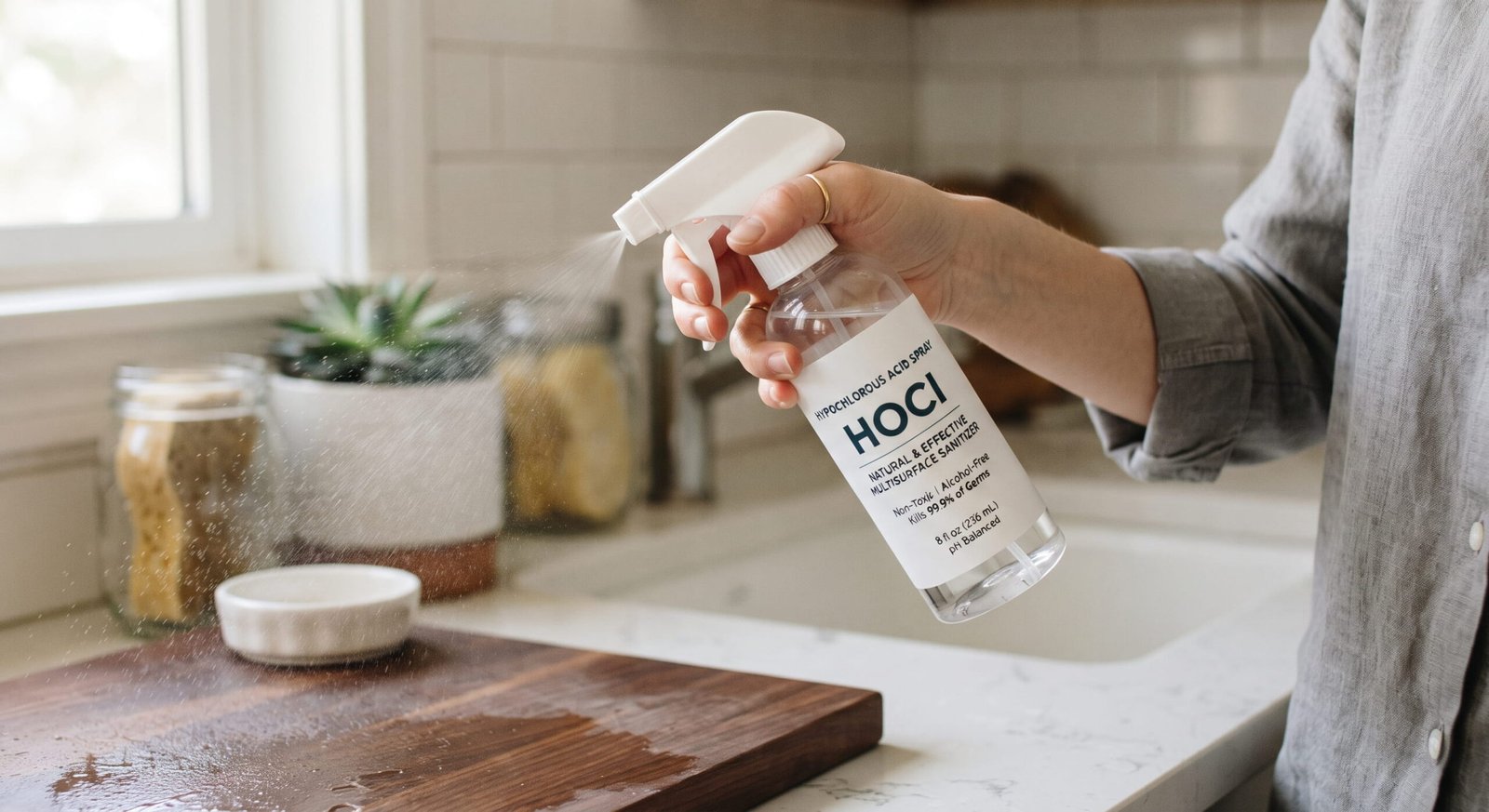
Skincare products are constantly evolving, but some of the most interesting ingredients are inspired by substances that already exist naturally in the human body. Hypochlorous acid is one such ingredient. It has gained attention in skincare routines because of its cleansing properties, skin-friendly formulation, and potential role in supporting everyday skin hygiene.
Hypochlorous acid spray is commonly used to refresh the skin, remove surface impurities, and support a clean skin environment. Depending on the formulation, it may be suitable for people dealing with occasional redness, oily skin, post-workout sweat, or skin that feels irritated by environmental factors. Some products are also designed for use around the eyes or on specific areas of the body.
However, not every spray is suitable for every skin concern. The concentration, formulation, intended use, and product instructions all matter. Understanding how this ingredient works can help you decide whether it belongs in your daily skincare routine.
This guide explains what hypochlorous acid spray is, how it works, its potential benefits, how to use it correctly, possible side effects, and what to consider before purchasing a product.
What Is Hypochlorous Acid Spray?
Hypochlorous acid (HOCl) is a weak acid that contains hydrogen, oxygen, and chlorine. The human immune system naturally produces this substance through certain white blood cells as part of its defense against microorganisms.
In skincare and personal care products, hypochlorous acid is manufactured under controlled conditions and formulated into a liquid spray. Depending on its formulation and regulatory classification, it may be marketed as a skin cleanser, hygiene product, or wound-care product.
Although its name contains the word chlorine, hypochlorous acid spray should not be confused with household bleach or ordinary cleaning chemicals. These products have different formulations, concentrations, and intended uses.
A properly formulated topical product may help reduce certain microorganisms on the skin’s surface. Its suitability for sensitive areas depends on whether the manufacturer has specifically designed and tested it for those uses.
How Does It Work?
Hypochlorous acid has antimicrobial activity, meaning it can act against certain bacteria, fungi, and viruses under appropriate conditions. Its activity depends on factors such as concentration, pH, contact time, and the presence of organic material.
When used as directed, a suitable formulation can help cleanse the skin and support surface hygiene. It is not a universal treatment for infections, and its presence in a skincare product does not automatically make that product effective against every microorganism.
The ingredient is also sensitive to storage conditions. Exposure to heat, light, air, or unsuitable packaging can reduce its stability. Therefore, following the product’s storage instructions is important.
Potential Benefits of Hypochlorous Acid Spray
The benefits depend on the specific product and its intended use. The following are common reasons people consider adding this ingredient to their skincare routine.
1. Helps Cleanse the Skin
Daily activities expose the skin to sweat, oil, dust, and other environmental impurities. A facial spray containing hypochlorous acid may help support surface cleansing between regular face washes.
It can be convenient after exercise, during travel, or when washing the face immediately is not practical. However, it should not automatically replace a gentle cleanser, especially when removing sunscreen, makeup, or heavy oil buildup.
2. May Help Soothe Skin That Feels Irritated
Some people use hypochlorous acid products when their skin feels uncomfortable or looks mildly red. Properly formulated products may be useful as part of a gentle skincare routine.
Nevertheless, redness can have many causes, including allergies, eczema, rosacea, infection, and reactions to cosmetics. A spray cannot be expected to resolve every cause of irritation.
If redness is persistent, painful, spreading, or accompanied by swelling, professional assessment is more appropriate than repeatedly applying skincare products.
3. Supports Skin Hygiene
Sweat and moisture can accumulate on the skin during exercise, hot weather, and long working days. A product intended for topical hygiene may help maintain cleanliness when used according to its instructions.
People who exercise frequently may appreciate a convenient spray for appropriate external skin areas. It should still be combined with regular bathing, clean clothing, and proper skin care.
4. May Be Useful for Some Acne-Prone Skin Routines
Acne develops through several interacting factors, including excess sebum, clogged follicles, inflammation, and changes involving skin microorganisms.
Hypochlorous acid has antimicrobial properties, but evidence supporting it as a standalone acne treatment is limited. It should not be considered a substitute for established acne treatments such as benzoyl peroxide, topical retinoids, or other therapies recommended by a healthcare professional.
For acne-prone skin, a gentle cleanser, non-comedogenic moisturizer, and appropriate sunscreen remain useful foundations.
5. Can Fit Into a Simple Skincare Routine
People with sensitive skin often prefer routines with fewer products and fewer unnecessary fragrances. Some hypochlorous acid sprays have relatively simple ingredient lists and are formulated without added fragrance.
However, a short ingredient list does not guarantee that a product will suit everyone. Preservatives, additional ingredients, the spray’s pH, and individual skin conditions can influence tolerance.
Choose a formulation appropriate for your skin and avoid products that contain ingredients you already know trigger reactions.
6. Offers Convenient Application
The spray format makes application quick and easy. It can be useful for reaching larger external skin areas or refreshing the skin without rubbing it aggressively.
Convenience is particularly helpful for people who prefer minimal skincare steps. Even so, using more product than directed does not necessarily provide greater benefits.
7. May Support Certain Skin-Care Procedures
Some healthcare settings use appropriately formulated hypochlorous acid products for specific cleansing or wound-care purposes. Whether a product is appropriate before or after a dermatological procedure depends on the procedure, the condition of the skin, and the clinician’s instructions.
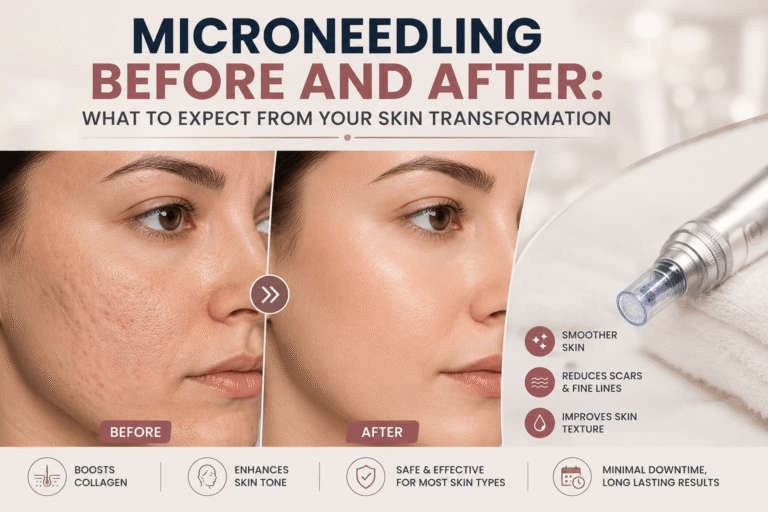
After chemical peels, laser treatments, microneedling, or other procedures, the skin may have a temporarily impaired barrier. Do not assume that every cosmetic spray is suitable for freshly treated or open skin.
Follow the treating clinician’s aftercare plan, especially if the skin is blistered, bleeding, or unusually painful.
Who May Consider Using It?
A suitable hypochlorous acid spray may be worth considering for people who:
- Prefer a simple, lightweight skincare routine.
- Want a convenient product for surface skin hygiene.
- Exercise regularly and need an easy-to-carry personal care product.
- Experience occasional skin discomfort and want to explore a gentle formulation.
- Have been advised by a healthcare professional to use a specific hypochlorous acid product.
People with diagnosed skin diseases, recurrent infections, severe acne, or persistent facial redness should seek appropriate advice before relying on a spray to manage their condition.
How to Use Hypochlorous Acid Spray on the Face
Correct application helps reduce unnecessary irritation and ensures that the product is used for its intended purpose.
Step 1: Read the Product Label
Check whether the spray is specifically designed for facial use. Products intended for surfaces, household cleaning, or industrial applications must never be substituted for skincare formulations.
Review the directions, warnings, expiration date, and storage requirements before use.
Step 2: Start With Clean Skin
If the product is intended as part of a facial routine, gently cleanse your face when needed. Remove makeup, sunscreen, and excess oil with a suitable cleanser.
Some products may be used on unwashed skin for a specific hygiene purpose, but this depends on their labeling.
Step 3: Apply a Light, Even Mist
Follow the manufacturer’s directions for distance, amount, and frequency. Avoid inhaling the mist, and keep it away from the eyes and mouth unless the product is specifically labeled for those areas.
Do not saturate the skin unnecessarily. More frequent application is not automatically more effective.
Step 4: Allow the Product to Dry
Let the spray dry as directed before applying other skincare products. Some formulations may recommend a particular contact time or application method, so the label should take priority over general advice.
Step 5: Continue With Moisturizer
Once the spray has dried, apply a gentle moisturizer if your skin needs hydration. In the morning, finish with broad-spectrum sunscreen with SPF 30 or higher.
Hypochlorous acid spray does not replace moisturizer, sunscreen, or a complete skincare routine.
Step 6: Monitor Your Skin
Introduce one new product at a time so that you can identify possible reactions. If you notice burning, itching, worsening redness, swelling, or a rash, stop using the product and seek advice if symptoms persist or become severe.
Can You Use It Every Day?
Some facial products are designed for daily use, while others have different instructions. The appropriate frequency depends on the formulation and the reason for using it.
If the label permits daily application, begin with the recommended amount rather than repeatedly spraying throughout the day. People with very sensitive or damaged skin should be especially cautious.
Using several antimicrobial products together without a clear reason may increase irritation or interfere with an appropriate treatment plan. A simple routine is often easier to evaluate and maintain.
Hypochlorous Acid Spray for Different Skin Types
Sensitive Skin
A fragrance-free formulation may be worth considering if your skin reacts easily to cosmetics. Nevertheless, sensitive skin can respond differently to even mild products. Test the product as directed and discontinue it if irritation develops.
Oily Skin
The spray may support surface hygiene, but it does not directly control sebum production. A gentle cleanser and non-comedogenic moisturizer can help maintain balance without excessive stripping.
Dry Skin
Dry skin needs moisture and barrier support. Hypochlorous acid spray is not a substitute for a moisturizer containing ingredients such as ceramides, glycerin, or other suitable humectants and emollients.
Acne-Prone Skin
People with acne may use a suitable spray as an optional addition to their routine, but they should not expect it to clear blocked pores or prevent all breakouts. Established acne therapies have a more clearly defined role in treatment.
Mature Skin
For mature skin, the main priorities generally include gentle cleansing, moisturization, and sun protection. There is insufficient evidence to consider hypochlorous acid a proven anti-aging ingredient that reduces wrinkles or reverses skin aging.
Hypochlorous Acid Spray vs. Saline Spray
These products may look similar, but they serve different purposes.
Saline spray contains salt dissolved in water and is commonly used for rinsing or moistening, depending on its formulation. Hypochlorous acid spray contains an active ingredient with antimicrobial properties under appropriate conditions.
Neither product is automatically suitable for every body area. A saline product intended for nasal use, for example, should not be assumed to be interchangeable with a facial product.
Choose according to the intended application rather than the packaging or marketing claims.
Possible Side Effects and Safety Precautions
Hypochlorous acid products are often designed for topical use, but individual reactions and product quality still matter.
Potential problems include:
- Temporary stinging or burning, particularly on damaged skin.
- Redness, itching, or irritation.
- Allergic or sensitivity reactions to other ingredients in the formulation.
- Eye discomfort if a product not intended for ocular use enters the eyes.
Stop using the spray if an adverse reaction develops. Rinse the affected area with clean water when appropriate, and obtain medical advice for persistent or severe symptoms. Significant eye exposure requires prompt rinsing and appropriate medical guidance.
Additional precautions include:
- Do not drink the product. It is intended for the uses stated on its label.
- Do not mix it with other chemicals. Mixing may change its chemistry or create hazardous conditions.
- Do not substitute household disinfectants. Cleaning products are not skincare products.
- Use eye-area products carefully. Only use a formulation specifically labeled for the intended eye-area application.
- Follow wound-care directions. Not every facial spray is suitable for open wounds or post-procedure skin.
- Store it correctly. Keep the container closed and follow the manufacturer’s temperature and light-exposure recommendations.
- Check the expiration date. The active ingredient may lose effectiveness over time, especially if stored incorrectly.
People with persistent skin symptoms, compromised skin barriers, or ongoing medical treatment should consult a qualified healthcare professional before using the product for therapeutic purposes.
How to Choose a Hypochlorous Acid Spray
With many products available, comparing the label and intended use is more useful than relying only on popularity or advertising.
Check the Intended Use
Choose a product specifically labeled for facial or body skin if that is how you intend to use it. A product intended for medical wound care may have different directions from a cosmetic facial mist.
Review the Formulation
Look for clear ingredient information, appropriate labeling, and instructions for use. Fragrance-free options may be preferable for people who are sensitive to fragrance, although this does not guarantee tolerance.
Consider Product Stability
Hypochlorous acid can be affected by light, heat, and formulation conditions. Appropriate packaging and storage instructions can help preserve product quality.
Avoid Unsupported Claims
Be cautious of products advertised as cures for acne, eczema, rosacea, or every type of skin infection. A product’s antimicrobial properties do not establish that it treats a particular disease.
Consider Professional Advice
A dermatologist can help determine whether the product makes sense for your skin concern, especially if you have recurring irritation, active skin disease, or recently undergone a procedure.
Frequently Asked Questions
1. What is hypochlorous acid spray used for?
It is used in certain skin-care and hygiene products to cleanse the skin and support surface hygiene. Some formulations are intended for specific medical or wound-care applications. The correct use depends on the product’s labeling.
2. Is hypochlorous acid spray good for your face?
A properly formulated facial product may suit some people as an optional skincare step. Its usefulness depends on individual skin needs, formulation, and tolerance. It does not replace cleansing, moisturizing, sunscreen, or prescribed treatment.
3. Can hypochlorous acid spray help acne?
It has antimicrobial properties, but strong evidence supporting it as a standalone acne treatment is limited. People with acne may benefit more from established treatments selected according to the severity and type of their breakouts.
4. Is it suitable for sensitive skin?
Some products are formulated to be gentle and fragrance-free, but no formulation is guaranteed to suit everyone. Introduce the product cautiously and discontinue it if you experience irritation or an allergic reaction.
5. Can I use it every day?
Daily use may be appropriate when the product label specifically permits it. Follow the recommended frequency and avoid excessive application. Seek professional advice if you have persistent skin irritation or a diagnosed skin condition.
6. Does hypochlorous acid spray dry out the skin?
The effect varies by formulation and individual skin sensitivity. Some people may experience dryness or irritation. If needed, use a suitable moisturizer and stop the spray if symptoms continue or worsen.
7. Can I use it around my eyes?
Only use a product specifically labeled for the intended eye-area application. Do not assume that a facial mist is safe for direct eye contact. Follow the label and seek medical advice if eye irritation persists.
8. Is hypochlorous acid the same as bleach?
No. Hypochlorous acid and household bleach are different chemical formulations with different concentrations and uses. Never use household bleach or surface disinfectants on your skin.
9. Can I apply moisturizer after using the spray?
Yes, if the product directions allow it. Let the spray dry as instructed, then apply a moisturizer appropriate for your skin type. In the morning, finish with sunscreen.
10. How long does it take to see results?
There is no single timeline because results depend on the product, its intended use, and the skin concern. A hygiene spray should not be expected to produce dramatic cosmetic changes. Persistent acne, redness, or irritation should be evaluated rather than managed indefinitely with a spray.
Conclusion
Hypochlorous acid spray can be a convenient addition to certain skincare and personal hygiene routines. Its antimicrobial properties make it useful in appropriately formulated products, while its practical spray format allows easy application when used according to the label.
However, it is not a universal solution for acne, eczema, redness, or skin infections. Product formulation, intended use, storage, and individual tolerance all influence its suitability.
For everyday skincare, combine appropriate products with gentle cleansing, moisturization, and sun protection. If you have persistent skin problems or are recovering from a dermatological procedure, consult a qualified healthcare professional before relying on a spray to manage the condition.