Lymphatic Drainage Massage: Benefits & Complete Guide
Introduction
Lymphatic drainage massage is a gentle massage technique designed to encourage the movement of lymph fluid through the body’s lymphatic system. Unlike deep-tissue or sports massage, it uses light, rhythmic movements rather than strong pressure. It is particularly associated with managing swelling caused by lymphedema, including swelling that can develop after certain cancer treatments or surgery.
In recent years, lymphatic drainage massage has also become popular in wellness and beauty routines, especially for facial puffiness and temporary fluid retention. However, it is important to separate medically established uses from cosmetic claims. A massage may temporarily make an area appear less puffy, but it should not be promoted as a cure-all “detox” treatment.
This guide explains what lymphatic drainage massage is, how it works, its potential benefits, common techniques, safety considerations, and when professional advice is important.
What Is Lymphatic Drainage Massage?
Lymphatic drainage massage, also called manual lymphatic drainage (MLD), is a specialized form of very gentle massage.
The lymphatic system is a network of vessels, tissues and lymph nodes that helps maintain fluid balance and plays an important role in immune function. When lymph drainage is impaired, fluid can accumulate in tissues and cause swelling.
During MLD, a trained practitioner uses light, controlled movements to encourage lymph fluid away from congested areas and toward functioning lymphatic pathways. The technique is intentionally gentle because many lymphatic vessels are located close to the skin’s surface.
How Does Lymphatic Drainage Massage Work?
Lymphatic drainage massage does not work like traditional muscle massage.
Instead of kneading deep muscles, the practitioner uses slow, rhythmic strokes and carefully selected directions. Treatment may begin around areas containing major lymph nodes before addressing the swollen or congested area.
For people with lymphedema, the objective is to help move excess lymph fluid toward areas where it can continue to circulate. Manual lymphatic drainage is often used alongside other treatments rather than as a standalone cure.
Lymphatic Drainage Massage Techniques
The exact technique depends on the person’s condition, the location of swelling and whether the massage is being used medically or cosmetically.
1. Gentle Skin Stretching
Very light pressure is used to gently stretch the skin. The movement should not feel like deep tissue massage.
2. Rhythmic Circular Movements
Small, controlled circular movements may be used around appropriate lymphatic areas. The pressure remains light and consistent.
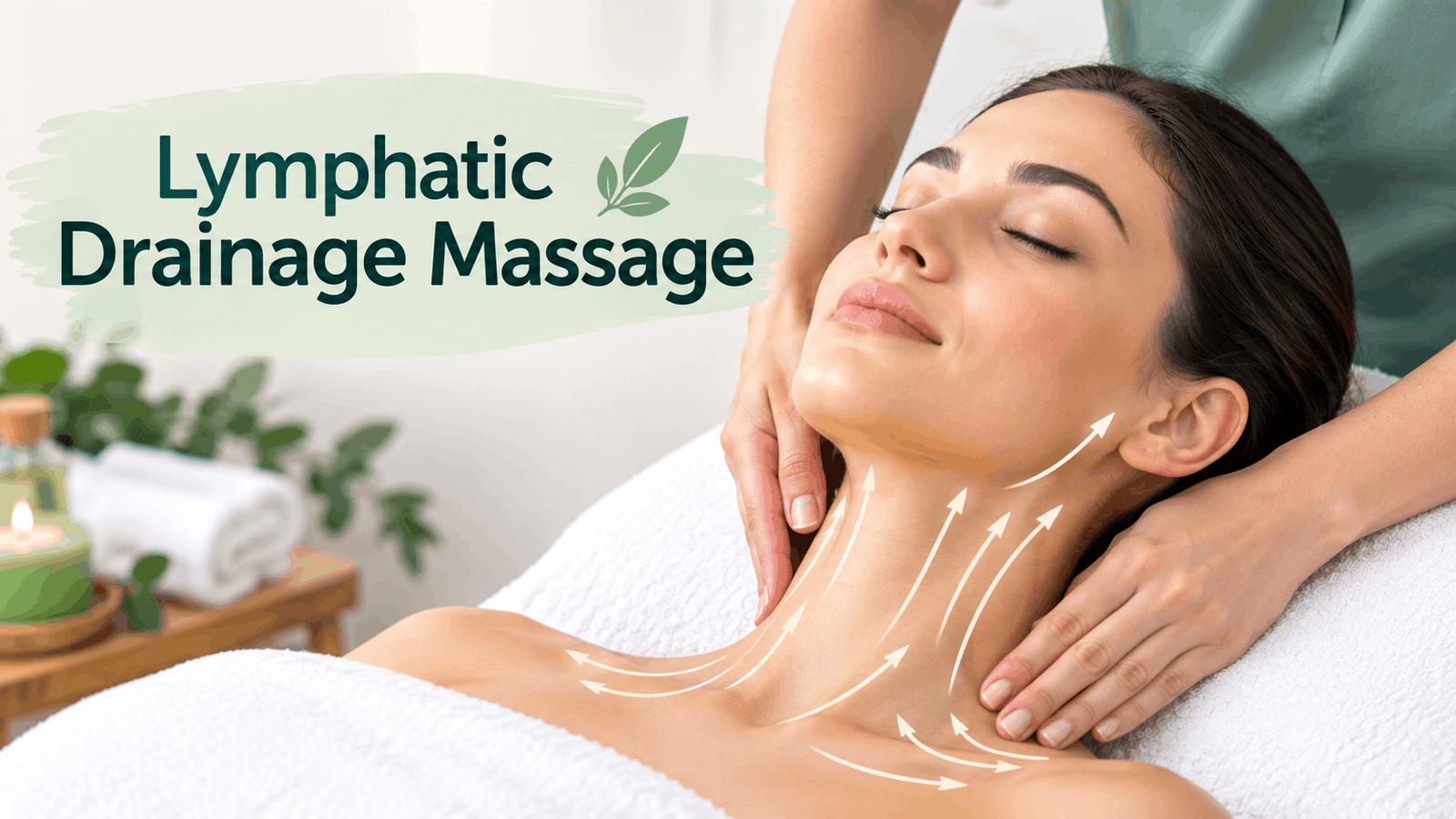
3. Neck and Upper-Chest Techniques
The neck and upper-chest regions may be addressed early in a session because they are important areas for lymphatic drainage. Professional techniques are individualized according to the person’s needs.
4. Facial Lymphatic Massage
Facial lymphatic massage uses gentle movements around the face and neck. It is commonly used as a wellness or cosmetic treatment and may temporarily reduce facial puffiness.
5. Limb Drainage
For people with swelling in an arm or leg, a trained therapist may use specialized techniques to encourage fluid movement away from the affected tissues.
Because lymphedema treatment is individualized, people with diagnosed lymphedema should not simply copy a generic online massage routine. A qualified healthcare professional or lymphedema therapist can teach appropriate self-massage techniques.
Potential Benefits of Lymphatic Drainage Massage
The benefits depend on why the technique is being performed.
May Help Reduce Swelling
One of the most established uses of manual lymphatic drainage is helping manage swelling associated with lymphedema. MLD is included in complete decongestive therapy, which may also involve compression, exercise and skin care.
May Support Lymphedema Management
Lymphedema can cause swelling, heaviness, tightness and discomfort. A comprehensive treatment program can help manage these symptoms and reduce complications.
MLD is generally considered one component of a broader management strategy rather than a permanent cure for the underlying lymphatic problem.
May Temporarily Reduce Facial Puffiness
Facial lymphatic massage has become popular as a beauty treatment. Gentle massage may temporarily move excess superficial fluid and make the face look less puffy.
The cosmetic effect should not be confused with permanent fat loss or a treatment for an underlying medical condition.
May Promote Relaxation
Because the technique involves slow, gentle movements, many people find lymphatic massage relaxing. Relaxation can be a useful wellness benefit even when someone does not have lymphedema.
May Be Useful After Certain Treatments or Surgery
Lymphatic drainage can be incorporated into care following some surgical procedures or cancer treatments when appropriate. The timing and technique should be determined by the healthcare team because postoperative swelling can have multiple causes.
Lymphatic Drainage Massage vs. Regular Massage
Although both are forms of massage, their goals and techniques are different.
| Feature | Lymphatic Drainage Massage | Traditional Massage |
| Pressure | Very light | Light to deep |
| Main focus | Lymph fluid movement | Muscles and soft tissues |
| Movement | Slow and rhythmic | Varies by technique |
| Common medical use | Lymphedema and swelling management | Muscle tension, pain and relaxation |
| Deep muscle work | Usually not the goal | Often included |
| Therapist training | Specialized training may be needed | Depends on massage type and provider |
If the goal is treating lymphedema, choosing a practitioner trained in lymphatic or lymphedema care is particularly important.
Can You Do Lymphatic Drainage Massage at Home?
In some situations, yes. However, the safest approach is to learn the appropriate technique from a qualified healthcare professional before performing self-massage, especially if you have lymphedema or unexplained swelling.
Cleveland Clinic notes that lymphatic self-massage can be performed in appropriate situations using extremely gentle pressure. The technique should focus on the skin rather than deep muscle tissue.
A general wellness routine may include:
- Relaxing your shoulders and taking slow breaths.
- Using very light pressure.
- Performing slow, controlled movements.
- Avoiding aggressive rubbing or deep kneading.
- Stopping if you experience pain or worsening symptoms.
- Asking a healthcare professional whether self-massage is appropriate for your condition.
Do not use an online routine as a substitute for professional assessment when swelling is unexplained or persistent.
Lymphatic Drainage Massage for the Face
Facial lymphatic drainage is particularly popular in skincare and beauty routines.
The massage generally uses light movements around the face, neck and upper chest. Some people use it in the morning when their face looks temporarily puffy.
Potential short-term cosmetic effects can include:
- A less puffy appearance
- A refreshed feeling
- Relaxation
- Temporary reduction in superficial fluid-related swelling
However, facial lymphatic massage does not permanently remove facial fat or change facial structure. Claims that it removes toxins, dramatically reshapes the face or produces permanent weight loss should be treated cautiously.
Lymphatic Drainage Massage After Surgery
Swelling can occur after surgery, but not all postoperative swelling should automatically be treated with massage.
Depending on the procedure, a healthcare professional may recommend lymphatic drainage as part of postoperative care. The timing is important, and massage should not be performed over areas that are not adequately healed or where there are complications.
People recovering from surgery should follow the specific instructions of their surgeon or healthcare team.
Who May Benefit From Lymphatic Drainage Massage?
MLD may be considered for people with certain forms of lymphatic swelling, particularly lymphedema.
It may be incorporated into treatment for:
- Lymphedema
- Some cases of postoperative swelling
- Swelling following certain cancer treatments
- Certain lymphatic or vascular conditions under professional guidance
The underlying cause of swelling should always be considered before treatment.
Persistent swelling of an arm, leg, abdomen or other body area deserves medical evaluation rather than automatically being labeled as “lymph congestion.”
Who Should Avoid Lymphatic Drainage Massage?
Lymphatic drainage massage is not appropriate for everyone.
Cleveland Clinic advises avoiding lymphatic massage in situations including blood clots or deep vein thrombosis, cellulitis, fever, infection, certain heart conditions, kidney failure and stroke.
Extra caution may also be necessary for people with:
- Active infections
- Unexplained swelling
- Blood-clotting problems
- Certain cancers
- Recent surgery
- Significant heart or kidney disease
- Damaged or recently treated skin
If you have a medical condition or take medications such as blood thinners, discuss massage with your healthcare provider before treatment.
Possible Side Effects
Lymphatic drainage massage is generally gentle, but some people may experience temporary effects.
These can include:
- Fatigue
- Headache
- Nausea
- Temporary tenderness or discomfort
Cleveland Clinic recommends informing your healthcare provider if side effects occur.
A lymphatic massage should not be painful. Strong pressure is not necessarily better and can be inappropriate for this technique.
How Often Should You Get Lymphatic Drainage Massage?
There is no universal schedule.
Someone receiving MLD as part of lymphedema treatment may have a schedule determined by a certified lymphedema therapist or healthcare team. Frequency can depend on the severity of swelling, underlying condition, treatment phase and response.
For cosmetic facial massage, people may use it occasionally as part of a personal skincare or relaxation routine.
If swelling repeatedly returns or becomes worse, the answer is not necessarily more massage. The underlying cause should be assessed.
How to Choose a Lymphatic Drainage Massage Therapist
Choosing the right professional is especially important when massage is being used for a medical condition.
Look for someone who:
- Has specific training in manual lymphatic drainage
- Understands lymphedema management
- Can work with your healthcare team when necessary
- Takes a detailed medical history
- Understands postoperative precautions
- Uses gentle, appropriate pressure
- Explains what the treatment is intended to accomplish
For diagnosed lymphedema, a certified lymphedema therapist or appropriately trained physical or occupational therapist may be preferable.
Lymphatic Drainage Massage and “Detox” Claims
One of the biggest misconceptions surrounding lymphatic massage is that it “detoxes” the body.
The lymphatic system certainly has important physiological roles, including fluid balance and immune function. However, marketing language about massage “flushing toxins from the entire body” can exaggerate what the treatment actually does.
The strongest medical rationale for MLD is managing lymphatic fluid and swelling in appropriate patients.
For healthy people without lymphatic dysfunction, a massage may feel relaxing and may temporarily reduce puffiness, but it should not be presented as a substitute for the body’s normal organs and physiological processes.
When Should You See a Doctor?
Do not rely on lymphatic massage alone when swelling is new, severe or unexplained.
Seek medical evaluation if you experience:
- Sudden swelling in one limb
- Significant pain or warmth
- Redness accompanied by fever
- Shortness of breath
- Chest pain
- Rapidly worsening swelling
- Persistent swelling without an obvious explanation
- Skin breakdown or recurrent infections
Sudden limb swelling can sometimes indicate a serious condition such as a blood clot, which requires medical assessment rather than massage.
Conclusion
Lymphatic drainage massage is a specialized, gentle technique that can have an important role in managing certain types of swelling, particularly lymphedema. Unlike traditional massage, it uses light rhythmic movements designed to encourage lymph fluid movement rather than deeply manipulate muscles.
For people with lymphedema, manual lymphatic drainage is generally most useful as part of a comprehensive treatment plan that may include compression, exercise and skin care.
For wellness and beauty purposes, facial lymphatic massage may temporarily reduce puffiness and provide a relaxing experience, but expectations should remain realistic. It is not a proven method for permanent fat loss or a universal detox treatment.
Most importantly, unexplained or persistent swelling should be medically evaluated before attempting self-massage. When lymphatic drainage is appropriate, learning the technique from a qualified professional can make treatment safer and more effective.
FAQs About Lymphatic Drainage Massage
1. What is lymphatic drainage massage?
Lymphatic drainage massage is a gentle massage technique designed to encourage lymph fluid movement through functioning lymphatic pathways. It is commonly used as part of lymphedema management.
2. Does lymphatic drainage massage hurt?
It generally should not be painful. The technique uses very light pressure rather than the deep pressure associated with some other massage styles.
3. Can lymphatic massage reduce swelling?
It can help manage certain types of swelling, particularly swelling associated with lymphedema, when performed appropriately and usually as part of a broader treatment plan.
4. Can I perform lymphatic drainage massage myself?
Some people can learn self-massage techniques, but it is best to receive professional guidance first, particularly if you have lymphedema, medical conditions or unexplained swelling.
5. Does lymphatic massage help facial puffiness?
It may temporarily reduce the appearance of facial puffiness caused by superficial fluid accumulation. The effect should not be considered permanent facial reshaping.
6. How is lymphatic massage different from deep-tissue massage?
Lymphatic drainage uses very light, rhythmic movements and focuses on lymphatic fluid movement. Deep-tissue massage uses considerably more pressure and primarily targets muscles and deeper soft tissues.
7. Is lymphatic drainage massage a detox treatment?
The term “detox” is often used in wellness marketing, but it can be misleading. The medically established purpose of lymphatic drainage is to support lymph fluid movement and help manage appropriate forms of swelling.
8. Who should avoid lymphatic drainage massage?
People with conditions such as active infection, cellulitis, blood clots or DVT, certain heart or kidney conditions and other contraindications should avoid it unless specifically cleared by a healthcare professional.
9. Can lymphatic massage be used after surgery?
It may be appropriate after certain surgeries, but timing and technique depend on the procedure and healing process. Always follow your surgeon’s or healthcare provider’s recommendations.
10. When should I see a doctor instead of getting a lymphatic massage?
See a healthcare professional when swelling is sudden, unexplained, severe, painful, associated with redness or fever, or accompanied by breathing difficulties or chest pain. These symptoms can require urgent medical evaluation.