Hair Spa Treatment: Benefits, Procedure, and Tips for Healthy Hair
Introduction
Healthy, shiny, and manageable hair is something many people want, but everyday styling, pollution, heat exposure, and chemical treatments can leave hair looking dry, dull, and damaged. A regular hair care routine is important, yet sometimes hair needs additional conditioning and nourishment. This is where a hair spa treatment can become a useful part of a beauty routine.
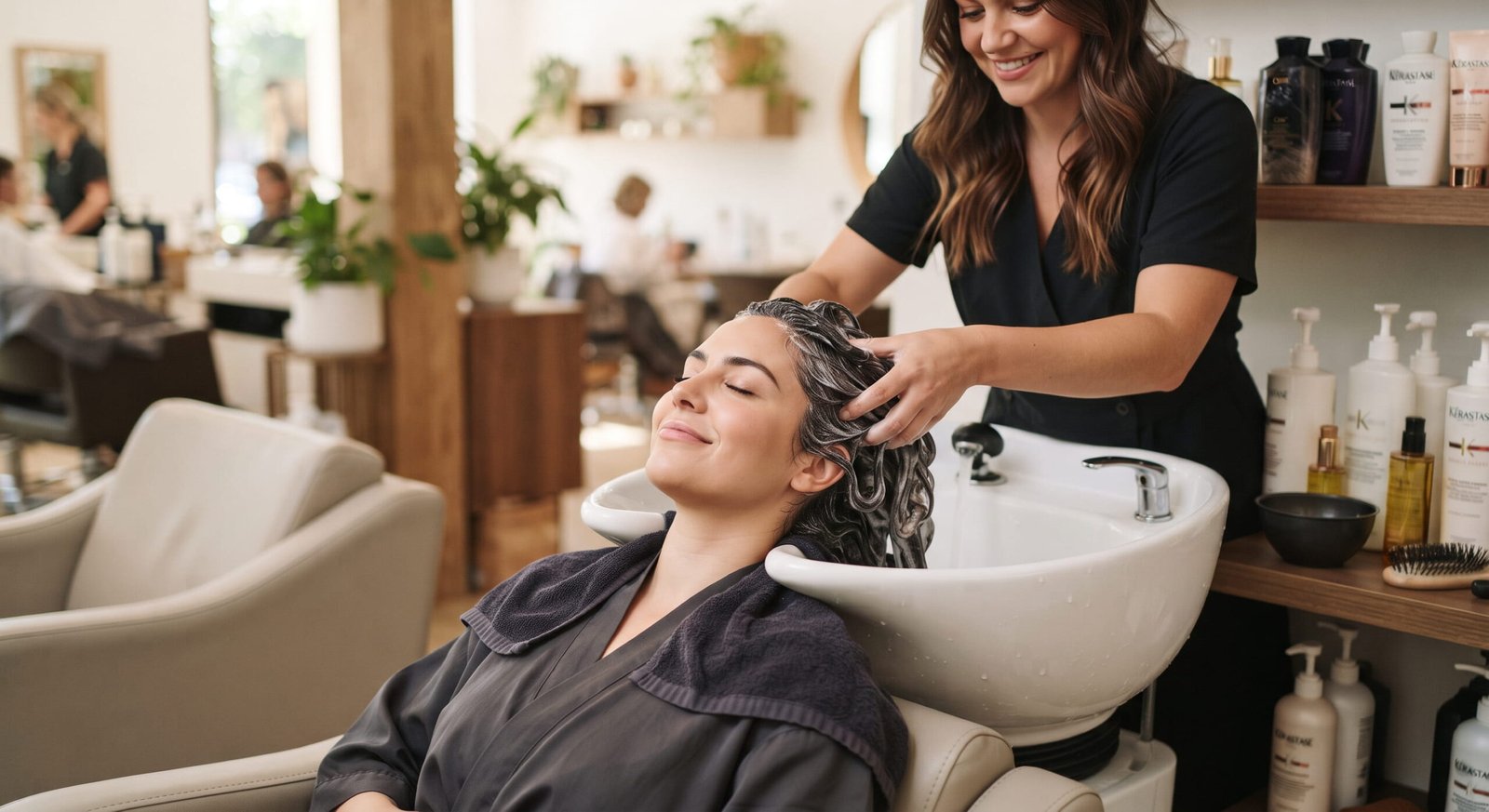
A hair spa is a salon-based or at-home hair care treatment designed to condition the hair, improve softness, and support a healthier-looking scalp. Depending on the products used, it may include cleansing, deep conditioning, a gentle scalp massage, and steam or a warm towel. The treatment can be customized for different hair types, including dry, frizzy, oily, curly, and chemically treated hair.
Although a hair spa can improve the appearance and manageability of hair, it is not a permanent solution for hair loss, scalp infections, or every type of hair damage. Understanding the procedure, potential benefits, and correct aftercare can help you decide whether it is suitable for your needs.
What Is a Hair Spa Treatment?
A hair spa treatment is a conditioning and relaxation procedure that focuses on improving the texture and appearance of the hair while providing care for the scalp. It commonly uses nourishing masks, conditioners, and other hair care products to help soften strands and reduce the appearance of dryness and frizz.
Professional salons may offer different versions of this treatment. Some focus mainly on deep conditioning, while others include scalp cleansing, massage, steam, or specialized products for color-treated hair.
Unlike a standard shampoo and conditioning session, a hair spa generally involves more time and several treatment steps. However, the exact procedure varies from one salon to another.
It is important to understand that hair strands are not living tissue. Conditioning treatments can temporarily improve their smoothness, flexibility, and appearance, but they cannot permanently repair split ends or reverse all structural damage.
Benefits of Hair Spa Treatment
A properly selected treatment can offer several cosmetic benefits.
1. Improves Hair Softness
Dry hair often feels rough because its outer protective layer becomes damaged or raised. Deep conditioners and hair masks coat the strands and help them feel smoother.
After a treatment, hair may feel softer, making everyday styling easier.
2. Helps Control Frizz
Humidity, dryness, friction, and damage can contribute to frizzy hair. Conditioning ingredients help smooth the hair surface and reduce friction between strands.
This can make hair appear more polished and manageable, especially for people with thick, curly, or naturally frizzy hair.
3. Supports Easier Detangling
Knotted hair can break when brushed or combed aggressively. A suitable conditioning treatment helps strands glide past one another, reducing the effort required to detangle them.
This benefit can be particularly helpful for long hair, textured hair, and hair that tangles easily after washing.
4. Adds Shine
Smooth hair reflects light more evenly than rough, damaged hair. For this reason, conditioning treatments may give the hair a shinier appearance.
The results depend on the hair’s original condition, the products used, and the person’s ongoing hair care routine.
5. Helps Reduce Breakage From Grooming
Conditioners can reduce friction during combing, which may lower the risk of mechanical breakage. This is different from stopping hair loss at the roots.
People who frequently use heat styling tools or chemical treatments may benefit from a routine that includes gentle cleansing, conditioning, and careful handling.
6. Provides a Relaxing Experience
Many salon treatments include a gentle scalp massage. This can be relaxing and make a hair care appointment feel like a self-care session.
Massage should be comfortable rather than forceful, particularly for people with a sensitive scalp.
7. Helps Manage Dry Hair
Hair exposed to frequent washing, sunlight, heat, or chemical processing may become dry and difficult to style.
A moisturizing mask or conditioner can temporarily improve softness and reduce the rough feeling associated with dry hair. Choosing the right formula is important because heavy products can make fine hair appear greasy or flat.
Different Types of Hair Spa Treatments
Not every hair type needs the same treatment. The most suitable option depends on the condition of the hair, scalp concerns, and styling habits.
1. Hydrating Hair Spa
A hydrating treatment focuses on dry, rough, or dull hair. It may contain ingredients such as glycerin, panthenol, aloe vera, and conditioning agents.
These ingredients help attract or retain moisture in the hair care process or improve softness and manageability.
Best for: Dry hair, rough ends, and hair exposed to frequent heat styling.
2. Deep Conditioning Hair Spa
Deep conditioning uses a concentrated mask or conditioner to improve smoothness and reduce tangling.
The product is generally applied to clean, damp hair and left on for the recommended period before being rinsed out.
Best for: Hair that feels coarse, tangled, or difficult to manage.
3. Scalp-Focused Hair Spa
This treatment emphasizes cleansing and scalp care. It may include a suitable shampoo, gentle massage, and products designed for specific scalp needs.
However, people with persistent dandruff, psoriasis, eczema, or scalp infections should seek appropriate medical advice rather than relying on a salon treatment.
Best for: People seeking a gentle scalp-cleansing routine without an active scalp disease.
4. Anti-Frizz Hair Spa
Anti-frizz treatments use conditioning ingredients to smooth the hair surface and reduce static and tangling.
They can help hair look more controlled in humid weather, although the results are temporary and vary by hair type.
Best for: Frizzy, curly, wavy, or humidity-sensitive hair.
5. Color-Treated Hair Spa
Hair coloring can affect the hair’s structure and leave it feeling dry. A treatment formulated for color-treated hair may improve softness and help maintain a polished appearance.
Choose products labeled as suitable for colored hair and avoid unnecessarily harsh cleansing.
Best for: Dyed, highlighted, or chemically processed hair.
6. Protein-Based Hair Treatment
Some treatments contain hydrolyzed proteins or other strengthening ingredients that temporarily improve the feel and performance of damaged strands.
Not everyone needs frequent protein treatments. Excessive use of some protein-rich products can leave certain hair types feeling stiff or rough.
Best for: Hair that has been chemically processed or weakened, when the product is appropriate for its condition.
Hair Spa Treatment Procedure: Step by Step
A professional session commonly follows several stages. The exact method may vary depending on the salon, product instructions, and hair type.
Step 1: Hair and Scalp Assessment
The stylist examines the hair’s texture, dryness, damage, and general scalp condition. This helps determine whether a moisturizing, smoothing, or scalp-focused treatment is appropriate.
Tell the stylist about any allergies, scalp irritation, recent chemical treatments, or sensitivity to fragrances.
Step 2: Cleansing the Hair
The hair is washed with a suitable shampoo to remove dirt, sweat, excess oil, and styling residue.
People with dry hair may benefit from a gentle shampoo, while those with an oily scalp may need a formula designed to remove excess sebum.
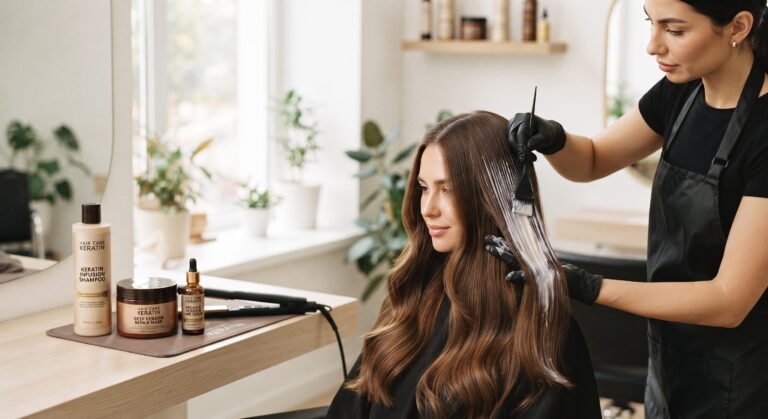
Step 3: Applying a Hair Mask
A conditioning mask or treatment cream is distributed through the hair, usually focusing on the mid-lengths and ends.
The scalp should only receive the product if it is specifically designed for scalp application. Heavy masks can make oily roots look greasy.
Step 4: Gentle Scalp Massage
Some salons provide a gentle massage to improve relaxation and distribute scalp products when appropriate.
The massage should not cause pain, pulling, or irritation. Vigorous rubbing can damage fragile hair and aggravate an already sensitive scalp.
Step 5: Steam or Warm Towel
Certain treatments use a warm towel or controlled steam to create a comfortable conditioning environment. Others work perfectly well without heat.
Heat is not essential for every hair spa. Excessive temperatures may irritate the scalp or damage hair, so the stylist should follow the product manufacturer’s instructions.
Step 6: Rinsing the Hair
The treatment is rinsed out thoroughly according to the product instructions. Leaving a product on longer than recommended does not necessarily improve the results.
Step 7: Drying and Styling
Finally, the hair is gently towel-dried and styled. If a blow-dryer or other heated tool is used, an appropriate heat protectant can help reduce styling-related damage.
Hair Spa Treatment at Home
You do not always need a salon appointment to condition your hair. A simple home routine can provide many of the same basic cosmetic benefits.
Follow these steps:
- Choose a suitable shampoo: Select a cleanser that works for your scalp and hair type.
- Remove excess water: Gently squeeze the water from your hair with a soft towel.
- Apply a conditioning mask: Distribute it through the lengths and ends, following the product instructions.
- Wait for the recommended time: Avoid leaving the product on for longer than directed.
- Rinse thoroughly: Use water at a comfortable temperature.
- Detangle carefully: Start near the ends and work upward with a suitable comb.
- Dry gently: Limit high heat and avoid rubbing wet hair aggressively.
If you have an oily scalp, apply rich masks mainly to the lengths and ends. If your hair is fine, use a lightweight conditioner to avoid weighing it down.
You should also avoid applying irritating ingredients, undiluted essential oils, or homemade mixtures that may trigger an allergic reaction.
Hair Spa Treatment for Different Hair Types
For Dry Hair
Dry hair usually benefits from rich conditioners and moisturizing masks. Look for formulas containing conditioning agents, fatty alcohols, or suitable oils.
Limit frequent high-heat styling and use a gentle shampoo when possible.
For Oily Hair
An oily scalp does not mean the hair lengths cannot be dry. Use a shampoo suited to your scalp and apply conditioner mainly to the mid-lengths and ends.
Avoid thick products at the roots if they leave the hair greasy.
For Curly Hair
Curly hair often tangles easily and may need additional conditioning. A suitable mask can help reduce friction and make detangling easier.
Use a wide-tooth comb and work gently through the hair to minimize breakage.
For Fine Hair
Heavy masks and oils can flatten fine hair. Lightweight conditioners may provide enough softness without making the roots appear oily.
Start with a small amount of product and increase it only if needed.
For Chemically Treated Hair
Bleaching, coloring, relaxing, and perming can weaken the hair. Choose products intended for chemically treated strands and reduce unnecessary heat exposure.
If the hair is severely breaking or feels unusually stretchy when wet, seek professional advice about managing the damage.
How Often Should You Get a Hair Spa?
There is no single schedule that works for everyone. The ideal frequency depends on hair texture, scalp condition, product buildup, and the amount of damage.
Some people may find a conditioning mask once a week helpful, while others need it less frequently. Salon treatments may be scheduled every few weeks if they suit the person’s hair care needs, but frequent professional sessions are not automatically better.
Watch how your hair responds. If it becomes greasy, limp, stiff, or irritated, reduce the frequency or change the product.
People with scalp disorders should follow the advice of a qualified healthcare professional before using treatments that involve massage, heat, fragrance, or exfoliating ingredients.
Hair Spa Treatment Before and After Care
Appropriate aftercare helps maintain the cosmetic benefits of a conditioning session.
Before the Treatment
- Explain your hair concerns and desired results to the stylist.
- Mention allergies or previous reactions to hair products.
- Avoid using products that have previously irritated your scalp.
- Tell the stylist about recent coloring, bleaching, or chemical straightening.
- Do not proceed with a treatment that causes burning or discomfort.
After the Treatment
- Follow the product’s rinsing and washing instructions.
- Avoid excessive heat styling.
- Use conditioner suited to your hair type.
- Detangle gently to prevent breakage.
- Protect hair from unnecessary friction and harsh chemical processing.
- Stop using any product that causes itching, redness, or swelling.
Some salon treatments are intended to remain on the hair, while others must be rinsed out immediately. Always follow the specific product instructions rather than assuming all treatments work the same way.
Hair Spa Treatment Cost
The price of a hair spa varies according to the salon, location, product brand, hair length, and type of service.
A basic conditioning session is generally less expensive than a specialized treatment using premium products or additional services. Longer or thicker hair may require more product and time.
Before booking, ask the salon what the package includes, how long the session takes, and whether additional styling charges apply.
At-home treatments are often more economical because one suitable mask or conditioner can last for several applications. However, expensive products are not always more effective for every hair type.
Possible Side Effects and Precautions
Most ordinary conditioning treatments are well tolerated when used correctly. Nevertheless, some products may cause problems.
Scalp Irritation
Fragrances, preservatives, essential oils, and other ingredients can irritate sensitive skin or trigger allergic contact dermatitis.
Stop using a product if you experience burning, itching, or redness.
Greasy or Flat Hair
Using too much conditioner or applying a heavy mask to the roots can leave hair oily and difficult to style.
Choose a lighter formula or apply the product only where it is needed.
Hair Breakage
Rough massage, aggressive detangling, excessive heat, and harsh chemical procedures can contribute to breakage. A hair spa should involve gentle handling rather than vigorous rubbing.
Problems With Existing Scalp Conditions
A cosmetic treatment does not cure scalp infections or inflammatory skin diseases. If you have persistent scaling, painful sores, severe itching, or unexplained hair loss, consult a dermatologist.
Seek urgent medical care if a product causes facial swelling, difficulty breathing, or another severe allergic reaction.
Does a Hair Spa Help With Hair Growth?
A hair spa is primarily a cosmetic conditioning treatment. It can make hair easier to manage and may reduce breakage associated with combing, but there is insufficient evidence that ordinary salon hair spas directly stimulate new hair growth.
Hair thinning and shedding can result from many causes, including genetics, nutritional deficiencies, hormonal changes, medications, and scalp disorders.
If you notice sudden shedding, bald patches, progressive thinning, or persistent scalp symptoms, a dermatologist can help identify the cause and recommend appropriate treatment. Relying only on salon conditioning may delay effective care.
Hair Spa Treatment vs. Regular Conditioning
Regular conditioning is a basic part of many hair care routines. It usually involves applying conditioner after shampooing to improve smoothness and reduce tangling.
A hair spa typically involves a longer session and may include a concentrated mask, massage, or controlled heat.
Both approaches can improve the feel and appearance of hair. A professional spa is not essential for everyone, and consistent, appropriate home care may be sufficient for many people.
The most useful choice is the one that meets your hair’s needs without causing irritation, unnecessary expense, or excessive product buildup.
Conclusion
Hair spa treatment can be a valuable addition to a hair care routine for people who want softer, smoother, shinier, and more manageable hair. Depending on the products used, it may help reduce frizz, improve detangling, and make dry or chemically treated strands feel healthier.
Choosing the right treatment for your hair type is more important than following a particular salon trend. Gentle cleansing, suitable conditioning, careful detangling, and limited heat styling remain essential for maintaining healthy-looking hair.
Remember that a hair spa cannot permanently repair split ends, guarantee hair growth, or treat every scalp condition. If you experience persistent irritation, unusual hair loss, or severe scalp symptoms, seek professional medical advice.
Frequently Asked Questions (FAQs)
1. What is a hair spa treatment?
A hair spa is a conditioning treatment that commonly involves cleansing, applying a hair mask, and sometimes providing a gentle scalp massage or controlled steam. Its main purpose is to improve softness, smoothness, and manageability.
2. What are the main benefits of a hair spa?
It may improve shine, reduce frizz, make detangling easier, and help dry hair feel softer. The results depend on the hair’s condition and the products used.
3. How often should I get a hair spa?
Frequency depends on your hair type and needs. Some people use a conditioning mask weekly, while others need it less often. Reduce use if your hair becomes greasy or your scalp becomes irritated.
4. Can I do a hair spa at home?
Yes. You can shampoo your hair, apply a suitable conditioning mask, leave it on for the recommended time, and rinse thoroughly. Gentle handling and appropriate product selection are important.
5. Is a hair spa suitable for all hair types?
Most hair types can benefit from some form of conditioning, but the formula should match the hair. Fine hair may need lightweight products, while dry or curly hair may benefit from richer conditioning.
6. Does a hair spa stop hair fall?
A hair spa does not treat the underlying causes of hair loss. It may reduce some breakage by improving manageability, but persistent shedding or thinning should be evaluated by a dermatologist.
7. Can a hair spa repair damaged hair?
It can temporarily improve the feel, smoothness, and manageability of damaged hair. However, it cannot permanently restore severely damaged strands or repair split ends.
8. Is a hair spa safe for colored hair?
Many treatments are suitable for color-treated hair, provided the products are selected carefully. Choose products labeled for colored hair and tell your stylist about recent coloring or bleaching.
9. How long do the results of a hair spa last?
Results vary depending on the treatment, hair condition, washing frequency, and styling habits. The improved softness and smoothness are temporary and may gradually decrease with washing and everyday wear.
10. Is a salon hair spa better than a home treatment?
A salon treatment may provide professional product selection and styling, but it is not always necessary. A suitable home conditioning routine can offer similar basic cosmetic benefits at a lower cost.