Middle Part Haircut: Trending Styles, Styling Tips,

Introduction
The middle part haircut is a timeless hairstyle that continues to attract attention because of its clean appearance, natural movement, and versatility. Also known as a center-part hairstyle, this look involves dividing the hair into two sections from the middle of the head, allowing the hair to fall naturally on both sides of the face. It can be worn with short, medium, or long hair and adapted to suit different textures, face shapes, and personal styles.
From the relaxed curtain hairstyles popular among young men to sleek, polished looks worn by women, the middle part has become a favorite choice for people who want a balanced and fashionable appearance. It works particularly well with layered haircuts, textured finishes, and soft waves, making it suitable for everyday wear as well as formal occasions.
One of the biggest advantages of this hairstyle is its flexibility. You can keep it natural with minimal styling or use a blow dryer and styling products to achieve a more defined finish. Whether you prefer a modern, casual look or a classic, sophisticated style, the right middle part can complement your overall appearance.
In this guide, you will discover popular variations, suitable face shapes, styling techniques, maintenance tips, and answers to common questions about this haircut.
What Is a Middle Part Haircut?
A middle part haircut features a central division that separates the hair into two sections. Instead of sweeping all the hair toward one side, the style allows the hair to fall on either side of the center line.
The middle part is not a single haircut. It is a styling technique that can be combined with several different haircuts, including layered cuts, curtain bangs, textured crops, bobs, and longer hairstyles.
For men, the style is often associated with curtain haircuts, where the front sections fall toward the sides of the forehead. Women can wear it with straight hair, soft waves, long layers, or shorter cuts such as a bob.
The final result depends on the length of the hair, its natural texture, the placement of the part, and the way the front sections are shaped.
Why Is the Middle Part Haircut So Popular?
The popularity of this hairstyle comes from its combination of simplicity and versatility. It can look effortless when worn naturally, yet it can also appear polished with a little styling.
Here are some reasons people choose this look:
- Versatile styling: It works with straight, wavy, and many curly hair textures.
- Balanced appearance: The central part creates a visually balanced frame around the face.
- Multiple lengths: It can be worn with short, medium, or long hair.
- Modern appeal: Curtain-style variations remain popular in contemporary fashion.
- Customizable finish: The hairstyle can be sleek, messy, voluminous, or softly layered.
- Easy to personalize: Hair length, layers, and texture can be adjusted to suit individual preferences.
The middle part can also be adapted to different fashion aesthetics, from minimalist and professional to relaxed, vintage-inspired, or streetwear-focused looks.
10 Best Middle Part Haircut Styles
There are many ways to wear a center part. The best option depends on your hair length, natural texture, lifestyle, and the amount of styling you prefer.
1. Classic Middle Part Haircut
The classic middle part is a simple, balanced hairstyle in which the hair falls naturally on both sides of the head. It can be worn with medium-length hair and usually requires minimal shaping around the front.
This style works particularly well for people who prefer a clean appearance without dramatic layers or sharp fades.
For a neat finish, comb the hair into place while it is slightly damp and allow it to dry naturally. A small amount of lightweight styling cream can help control flyaways without making the hair look stiff.
2. Middle Part Curtain Haircut
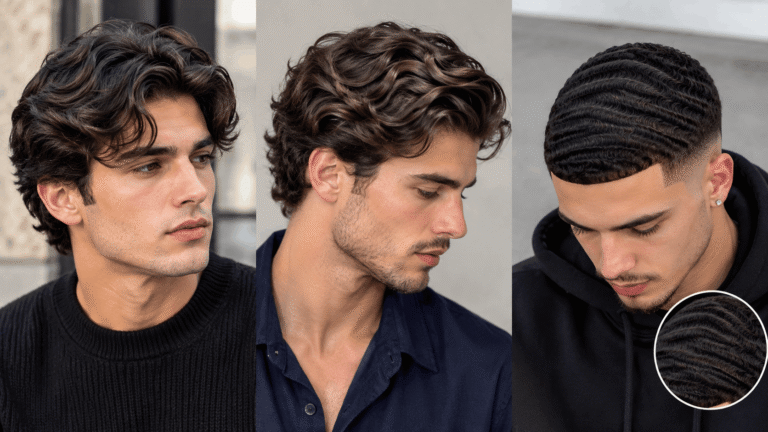
The curtain haircut is one of the most recognizable variations of the middle part. The front sections are cut and styled to frame the face, resembling curtains that open from the center.
This style became especially popular through fashion and entertainment trends and remains a common choice for men with medium-length hair.
Curtain bangs can be short and subtle or longer and more dramatic. Soft layers around the temples help create movement and prevent the hairstyle from looking too heavy.
For a modern finish, use a blow dryer to direct the front sections away from the center. Finish with a lightweight cream or texture product if additional definition is needed.
3. Middle Part with a Taper
A middle part combined with a taper creates a contrast between longer hair on top and shorter hair around the sides and back.
The taper gradually reduces the hair length near the sideburns and neckline, giving the haircut a clean outline. The longer top retains the movement and shape of the central part.
This combination is ideal for men who want a contemporary hairstyle that looks stylish without being overly dramatic.
Ask your barber for a subtle taper if you prefer a natural transition. The top should remain long enough to fall comfortably on both sides.
4. Textured Middle Part
A textured middle part emphasizes natural movement instead of perfectly smooth strands. The hair is often cut with layers that help create separation, volume, and a slightly relaxed appearance.
This variation is particularly suitable for thick or naturally wavy hair. It can also work with straight hair when the cut includes appropriate layering.
Apply a small amount of texturizing cream or sea salt spray, depending on your hair type and the desired finish. Scrunch or shape the hair gently to encourage movement.
The result is a casual hairstyle that works well for everyday activities, social gatherings, and relaxed outfits.
5. Long Middle Part Haircut
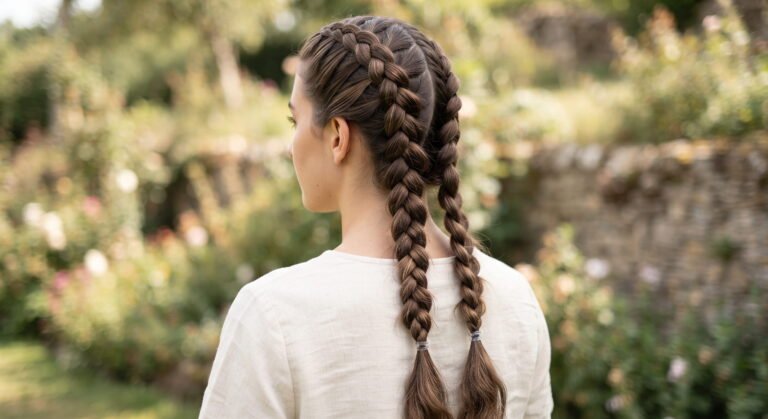
A long middle part is an excellent choice for people who want to preserve their length while creating a defined frame around the face.
The hair can fall straight down on both sides or incorporate long layers that provide movement. Soft face-framing sections can help prevent the hairstyle from appearing flat.
This style suits a variety of personal aesthetics, including classic, bohemian, minimalist, and modern looks.
To maintain the appearance, use conditioner regularly and consider a leave-in product if your hair becomes dry or tangled. Occasional trims can help remove split ends and preserve the shape.
6. Short Middle Part Haircut
A short middle part provides a neat alternative for people who do not want to maintain medium or long hair.
The front sections must generally have enough length to separate and fall toward the sides. Very short hair may not hold a clearly defined middle part without additional styling.
A barber or stylist can add subtle texture to make the shorter sections easier to manage.
This style is especially useful for people who want a simple, contemporary haircut with less hair to maintain.
7. Wavy Middle Part Haircut
Natural waves add softness and volume to a center-part hairstyle. Instead of lying flat, the hair forms gentle curves that frame the forehead and cheeks.
A layered cut can help distribute volume more evenly, particularly if the hair is thick. For finer hair, lighter layering may help preserve fullness.
After washing, apply a suitable leave-in conditioner or lightweight curl-enhancing product. Let the hair air-dry or use a diffuser on a low setting.
Avoid brushing dry waves excessively if doing so causes frizz. A wide-tooth comb can be useful when detangling damp hair.
8. Middle Part with a Low Fade
A low fade gradually shortens the hair near the lower sides and back, creating a sharp contrast with the longer hair on top.
When paired with a middle part, the result combines a clean, modern outline with a softer, flowing front.
This style is a good option for men who want a haircut that looks contemporary while retaining the recognizable curtain shape.
The fade requires regular barber visits to maintain its neat appearance. The top can be styled with a blow dryer and lightweight product to preserve volume.
9. Korean Middle Part Haircut
The Korean-inspired middle part is known for its soft texture, natural volume, and carefully shaped front sections. It is often associated with contemporary Korean fashion and entertainment trends.
This hairstyle may feature curtain bangs, gentle waves, layered sides, or a slightly fluffy finish. Some versions are sleek, while others emphasize loose movement.
A blow dryer and round brush can help create lift at the roots. A small amount of styling cream can add definition without making the hair appear greasy.
This look is especially suitable for people who enjoy a soft, fashionable hairstyle rather than a rigidly structured cut.
10. Middle Part with Layers
Layered middle-part hairstyles create movement by incorporating different hair lengths throughout the cut.
Layers can reduce the appearance of excessive weight in thick hair and help frame the face. On longer hair, they can create a flowing shape, while shorter layers can add volume around the crown and front.
The right placement depends on your hair texture and desired result. Too many layers may reduce fullness in fine hair, so a stylist should adjust the cut accordingly.
This variation works well for both men and women and can be styled straight, wavy, or with a slightly tousled finish.
Which Face Shapes Suit a Middle Part?
A middle part can work with many face shapes, but the haircut’s length, volume, and front layers can influence the overall appearance.
Oval Face Shape
Oval faces are often well suited to a middle part because the proportions can accommodate a variety of styles.
Classic curtain haircuts, sleek center parts, and layered looks are all worth considering. Choose the amount of volume according to your personal preference.
Round Face Shape
People with round faces may prefer a middle part with some height at the crown and longer sections around the sides.
These details can create the visual impression of additional length. Avoid excessive width directly at the cheeks if you want a more elongated appearance.
Square Face Shape
A middle part with soft layers or gentle waves can complement a square face by introducing movement around the forehead and jawline.
Curtain bangs with curved edges may create a softer appearance than a very blunt, rigid cut.
Heart-Shaped Face
A heart-shaped face often has a broader forehead and a narrower chin. Longer curtain sections or face-framing layers can help balance these proportions visually.
The best length depends on how much coverage and movement you prefer around the cheeks and jawline.
Oblong Face Shape
For an oblong face, a middle part with moderate width and soft waves may help create a balanced appearance.
Avoid adding excessive height at the crown if your goal is to make the face appear visually shorter. A stylist can recommend suitable layers and proportions.
Remember that these are general styling suggestions, not strict rules. Hair density, personal taste, and natural texture are equally important when choosing a haircut.
How to Style a Middle Part Haircut
Styling a middle part is relatively simple once you understand how your hair naturally falls.
Step 1: Start with Clean Hair
Wash your hair with a shampoo suited to your scalp and hair type. Apply conditioner where needed, particularly to the mid-lengths and ends of longer hair.
Gently towel-dry the hair without rubbing aggressively.
Step 2: Create the Center Part
Use a comb to identify the center of your forehead and extend the part toward the crown.
If your natural part falls slightly to one side, you may need to train the hair gradually rather than forcing it into place immediately.
Step 3: Apply a Suitable Styling Product
Choose a product according to the finish you want.
- Lightweight cream for natural control.
- Mousse for additional volume.
- Texture spray for a relaxed, separated finish.
- Heat-protectant product before using hot styling tools.
Start with a small amount and add more only if necessary.
Step 4: Blow-Dry the Hair
Use a blow dryer on a moderate heat setting to direct each section away from the center. A round brush can add lift, while your fingers can help create a more natural finish.
For curtain bangs, direct the front sections outward and slightly backward to encourage a soft curve.
Step 5: Adjust the Shape
Once the hair is dry, use your fingers or a wide-tooth comb to adjust the part and front sections.
Avoid over-combing if you want a textured finish. A small amount of finishing cream can help control flyaways.
Step 6: Finish According to Your Style
For a sleek appearance, use a light finishing product. For a relaxed hairstyle, leave some natural movement and avoid excessive product.
The goal is to enhance the hair’s shape rather than make it look stiff or unnatural.
Best Hair Products for a Middle Part
The right products can make a noticeable difference in how the hairstyle looks and holds throughout the day.
Volumizing mousse: Useful for fine hair that needs additional lift at the roots.
Lightweight styling cream: Helps control flyaways while maintaining a natural finish.
Sea salt spray: Can enhance texture in suitable hair types, especially when a relaxed, beach-inspired appearance is desired. It may be drying for some hair, so use it moderately.
Heat protectant: Helps reduce heat-related damage when using blow dryers or other hot tools.
Light-hold hairspray: Can help maintain the shape without making the hair excessively rigid.
Leave-in conditioner: Useful for dry, long, or easily tangled hair.
Choose products based on your hair’s needs. Fine hair may become weighed down by heavy creams, while thick or coarse hair may benefit from richer styling products.
How to Maintain a Middle Part Haircut
Regular care helps preserve the haircut’s shape and keeps the hair looking healthy.
Get Regular Trims
The ideal trimming schedule depends on the haircut. Short styles with fades may need attention every few weeks, while longer layered styles can often go longer between trims.
Ask your barber or stylist how frequently your specific cut needs reshaping.
Avoid Excessive Heat
Frequent high-heat styling can contribute to dryness and breakage. Use a heat protectant and choose a moderate temperature whenever possible.
Allow your hair to air-dry when convenient.
Keep the Scalp Clean
Use a shampoo appropriate for your scalp. If your scalp is oily, you may need to wash more frequently; dry or textured hair may require a different routine.
Avoid applying heavy styling products directly to the scalp unless the product is designed for that purpose.
Protect Hair While Sleeping
If your hair is long enough to tangle, use a smooth pillowcase and gently detangle it before bed. Avoid tight hairstyles that pull on the roots.
Adjust the Part When Needed
Hair can develop a natural tendency to fall in a particular direction. If the center part becomes uneven, dampen the roots slightly and restyle the hair.
Consistency and gentle styling are generally more effective than repeatedly forcing the hair into place.
Common Middle Part Haircut Mistakes
Even a simple hairstyle can become difficult to manage if the cut or styling technique does not suit the hair.
- Choosing the wrong length: Hair that is too short may not fall naturally into a center part.
- Ignoring natural texture: A cut designed for straight hair may require adjustments for thick curls or strong waves.
- Using too much product: Heavy styling products can make the hair look greasy or flat.
- Creating an overly rigid part: A perfectly sharp line may not suit a relaxed, textured hairstyle.
- Skipping regular trims: Uneven layers and overgrown sides can change the original shape.
- Applying excessive heat: Frequent high-temperature styling can damage the hair over time.
- Ignoring face-framing proportions: The length of the front sections can significantly affect the overall result.
A consultation with an experienced barber or stylist can help you choose a version that fits your hair type and daily routine.
Is a Middle Part Haircut Easy to Maintain?
The maintenance level depends on the specific style. A natural middle part with longer hair may need only basic grooming and occasional trimming. A curtain haircut with carefully shaped layers may require regular styling to preserve its shape.
Styles that include a fade usually require more frequent barber visits because the shorter sides become visibly overgrown as the hair grows.
Your natural hair texture also matters. Straight hair may need a little blow-drying to maintain volume, while wavy hair may require products that help control frizz and define the natural pattern.
If you want a low-maintenance option, ask for a haircut that works with your natural growth pattern and does not depend on extensive daily styling.
Conclusion
The middle part haircut is a versatile choice that combines a balanced appearance with plenty of styling possibilities. From classic center parts and curtain bangs to textured layers, Korean-inspired looks, and faded sides, there is a version for nearly every preference.
The key to choosing the right style is understanding your hair’s natural texture, density, length, and growth pattern. A suitable cut can make daily styling easier while helping the hairstyle look intentional and well-groomed.
With regular trims, appropriate products, and gentle styling techniques, you can maintain a middle part that looks attractive without requiring an elaborate routine. Whether you prefer a relaxed everyday appearance or a polished modern finish, this classic hairstyle offers plenty of room for personalization.
Frequently Asked Questions (FAQs)
1. What is a middle part haircut?
A middle part haircut features a central division that separates the hair into two sections, allowing it to fall on both sides of the face. It can be combined with curtain bangs, layers, fades, or different hair lengths.
2. Is a middle part haircut still in style?
Yes. Middle-part hairstyles remain a popular choice because they can be adapted to classic, modern, casual, and fashion-inspired looks.
3. Does a middle part suit every face shape?
A middle part can suit many face shapes. The most flattering version depends on the length, volume, layers, and shape of the front sections.
4. How long should hair be for a middle part?
The required length depends on the style. Curtain variations generally need enough length at the front for the hair to fall toward both sides. A barber or stylist can recommend a suitable length.
5. How do I train my hair to stay in the middle?
Dampen the roots, create a center part with a comb, and blow-dry each side in the desired direction. Repeating this process can help the hair sit more naturally, although natural growth patterns may influence the result.
6. Can men with short hair get a middle part?
Yes, provided the front and top sections have enough length to separate. Very short hair may not maintain a clearly defined middle part.
7. Which products are best for styling a middle part?
Lightweight styling cream, volumizing mousse, texture spray, heat protectant, and light-hold hairspray can be useful. The best choice depends on your hair texture and desired finish.
8. Is a middle part better than a side part?
Neither is universally better. A middle part creates a balanced, symmetrical appearance, while a side part produces an asymmetrical look. Choose whichever complements your hairstyle and personal preference.
9. How often should I trim a middle part haircut?
Short fades may need trimming every few weeks, while longer styles can often go longer between appointments. Your hair’s growth rate and the shape you want to maintain determine the schedule.
10. Can a middle part work with curly or wavy hair?
Yes. Wavy and curly hair can create a soft, voluminous middle part. Suitable layers, curl-enhancing products, and gentle drying techniques help maintain the shape and manage frizz.