Waves Hair: Beachy and Textured Styles for Every Hair Length
Introduction
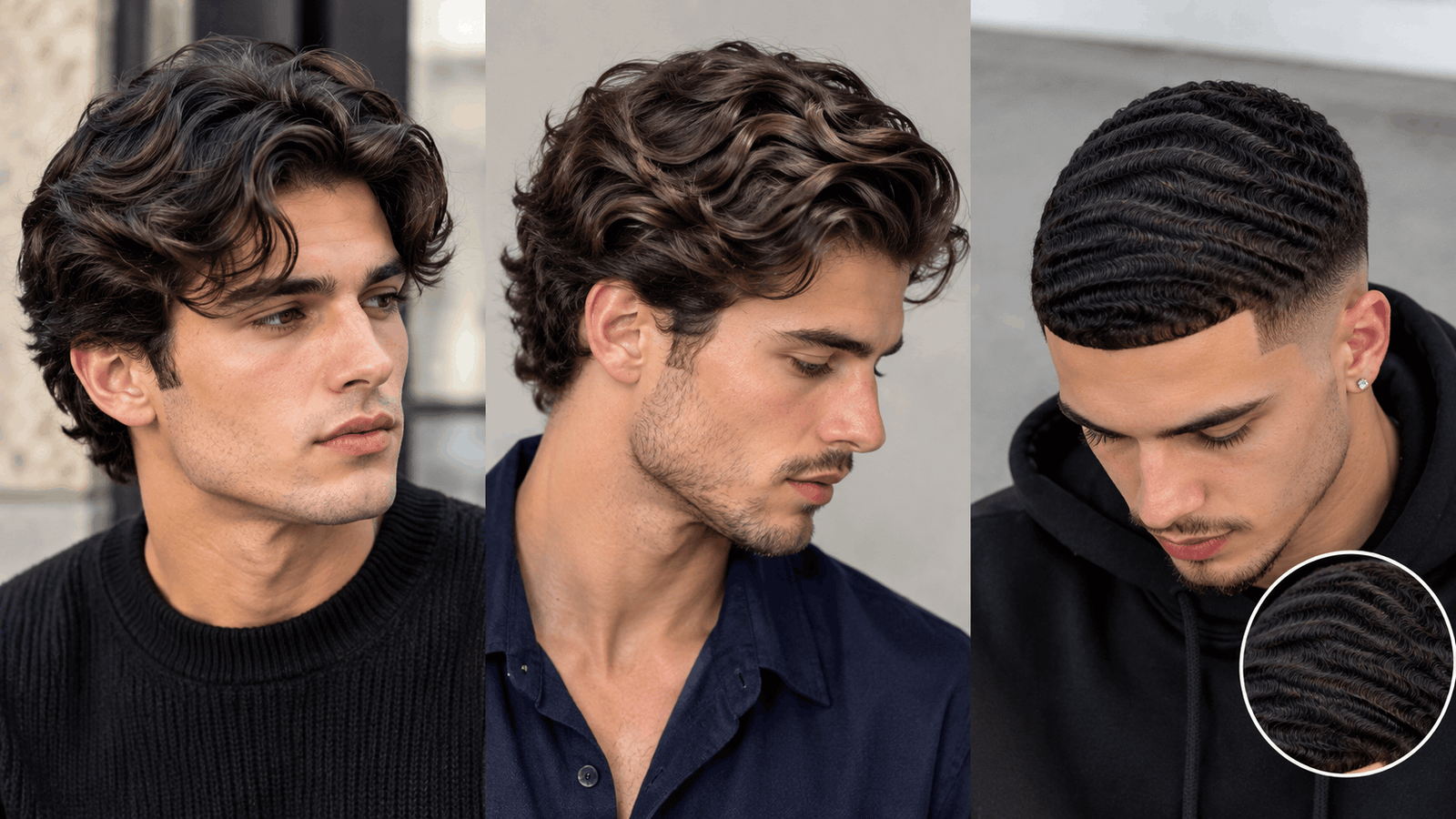
Waves hair is a versatile styling trend that brings movement, softness, and texture to almost any hairstyle. From relaxed beach waves to glamorous Hollywood waves and defined men’s 360 waves, there are countless ways to create a look that matches your personality. Some styles feel casual and effortless, while others look polished enough for weddings, parties, and formal occasions.
One reason wavy hairstyles remain popular is their flexibility. They can add volume to fine hair, soften the appearance of blunt haircuts, enhance natural texture, and give long or short hair a fresh finish. Waves can also be created using curling irons, flat irons, braids, rollers, or simple overnight techniques that do not require heat.
The best approach depends on your natural hair texture, length, desired finish, and daily routine. With suitable styling products and a little practice, you can achieve waves that look defined without feeling stiff or overly styled.
This guide explores popular wave hairstyles, easy styling methods, hair-care tips, and ways to maintain your look while minimizing damage.
What Are Waves Hair?
Waves are a hairstyle or natural hair texture characterized by gentle bends and flowing S-shaped patterns. They sit between straight hair and more tightly curled hair, although the term can also describe styles created temporarily with styling tools.
Natural wavy hair is commonly classified within Type 2 hair, which includes loose, medium, and more defined wave patterns. People with naturally straight hair can create similar shapes using heat styling, braiding, or rollers.
Waves may look loose and casual, structured and glossy, or short and closely patterned. The final result depends on the technique, the shape of the haircut, the products used, and how the hair responds to moisture and styling.
Unlike tight curls, waves generally have a softer bend. However, some wave patterns can be quite defined, especially when the hair is naturally textured.
Popular Types of Waves Hair
Different wave styles offer different levels of volume, definition, and formality. Understanding the options can help you choose a look that suits your hair and the occasion.
1. Beach Waves
Beach waves create a relaxed, slightly tousled appearance inspired by the texture hair may develop after spending time near the ocean. The waves are usually irregular rather than perfectly uniform, giving the hairstyle a natural finish.
This style works particularly well on medium and long hair, but shorter cuts can also feature soft, textured bends.
To create beach waves, use a curling wand, flat iron, loose braids, or twisting techniques. Leave the ends slightly straighter for a more relaxed appearance, and finish with a lightweight texturizing product if needed.
2. Loose Waves
Loose waves are soft, flowing bends that add movement without creating tight curls. They are suitable for everyday styling, office settings, dinners, and special occasions.
A large-barrel curling iron or overnight rollers can help create this finish. After styling, gently separate the sections with your fingers to soften the shape.
Loose waves are especially useful when you want extra body without making the hair look overly formal.
3. Hollywood Waves
Hollywood waves are polished, glossy, and carefully shaped. The waves often follow a consistent pattern and may be brushed together to create a smooth, sculpted appearance.
This style is popular for weddings, formal events, photography, and evening occasions.
Achieving the look may require careful sectioning, consistent curling, and setting clips. A suitable finishing spray can help maintain the shape, while a small amount of shine product adds a glossy finish without making the hair greasy.
4. Mermaid Waves
Mermaid waves are long, flowing waves that often appear more defined than traditional beach waves. They work especially well on long hair because the length allows the pattern to extend through the strands.
A three-barrel hair waver can create consistent bends, while braids or heatless tools offer alternatives. Keep the hair hydrated and use a lightweight product to help maintain definition.
5. Vintage Retro Waves
Retro waves take inspiration from classic hairstyles associated with earlier decades. They may feature sculpted S-shaped bends, a deep side part, or a carefully arranged wave near the forehead.
Vintage styles usually look more structured than casual beach waves. They can be adapted to short bobs, medium-length hair, and longer styles.
A setting lotion, clips, and careful shaping can help create a more traditional finish.
6. Soft Romantic Waves
Romantic waves are gentle, flowing, and slightly voluminous. They often feature face-framing sections and a soft finish rather than sharp, uniform bends.
This style is popular for bridal hairstyles, engagement celebrations, parties, and everyday looks.
A curling wand can create the shape, while loose pin curls or rollers may offer a lower-heat alternative.
7. Crimped Waves
Crimped waves have a more regular, repeated pattern than natural-looking beach waves. Depending on the tool and the size of the pattern, they can look retro, playful, or fashion-forward.
A hair waver or crimping tool can create the effect quickly. Use a heat protectant and avoid repeatedly applying high heat to the same section.
8. Natural Wavy Hair
Some people naturally have wavy hair that forms an S-shaped pattern without styling tools. The waves may become more visible when the hair is wet and can change with humidity, haircut, and hair-care routine.
A lightweight leave-in conditioner, mousse, or curl cream may help define the existing texture. Scrunching the hair gently while damp can encourage the natural wave pattern.
9. Short Wavy Hair
Short hair can look modern and textured with soft waves. Bobs, lobs, pixie cuts with a longer top, and textured short styles can all incorporate bends and movement.
A small curling iron or flat iron can create waves in longer sections. For very short hair, a styling cream or light texture paste may be more practical.
10. Men’s 360 Waves
Men’s 360 waves are different from loose, flowing waves. This hairstyle creates repeated ripple patterns across short, tightly textured hair, often forming circular patterns around the head.
The style is commonly achieved through consistent brushing, a suitable haircut, moisturizing products, and a wave cap or durag to help preserve the pattern.
Results depend on hair texture, length, consistency, and technique. The process takes time rather than producing a finished pattern overnight.
How to Choose the Right Wave Style
The most suitable wave pattern depends on your hair length, texture, density, and personal preferences.
For fine hair: Loose waves can add visual fullness. Use lightweight products and avoid heavy oils or creams that may flatten the roots.
For thick hair: Defined beach waves, mermaid waves, and Hollywood waves can create shape and movement. Sectioning the hair carefully helps produce a more consistent result.
For:
short hair: Soft bends, retro waves, and textured waves can emphasize the haircut without requiring excessive length.
long hair: Beach waves, loose waves, and mermaid waves showcase the movement of longer strands.
naturally wavy hair: A gentle styling routine may be enough to enhance the existing pattern instead of creating waves from scratch.
tightly textured hair: If you want 360 waves, a consistent brushing routine and an appropriate haircut may help form the desired pattern. This style is different from using a curling iron to create loose waves.
Your preferred maintenance level also matters. A simple braid-out may be easier for everyday wear, while sculpted Hollywood waves usually require more preparation.
How to Create Waves Hair With a Curling Iron
A curling iron is a useful option when you want defined, controlled waves.
Step 1: Prepare Your Hair
Start with dry, detangled hair. Apply a heat protectant suitable for your hair type and styling tool.
Avoid using excessive oils or styling products that may weigh the hair down or interfere with the finish.
Step 2: Divide the Hair Into Sections
Separate the hair into manageable sections using clips. Smaller sections generally create more defined waves, while larger sections may produce a looser result.
Step 3: Curl Each Section
Wrap a section around the barrel, following the tool’s instructions. For a relaxed finish, alternate the curling direction between sections.
Do not hold the hair against the hot barrel longer than necessary. The appropriate temperature and styling time depend on the tool and your hair’s condition.
Step 4: Leave the Ends Slightly Loose
For beach-inspired waves, avoid curling the very ends completely. Leaving them a little straighter can create a more casual shape.
Step 5: Let the Hair Cool
Allow each section to cool before brushing or separating it. Cooling helps the wave retain its shape.
Step 6: Finish the Style
Gently separate the waves using your fingers. Add a small amount of texturizing spray or lightweight serum if needed.
Avoid brushing aggressively, as this may create frizz or remove too much definition.
How to Create Waves With a Flat Iron
A flat iron can produce soft bends as well as smooth, straight hair. The technique involves rotating the tool while gliding it along each section.
- Begin with completely dry hair and apply heat protectant.
- Divide the hair into manageable sections.
- Clamp a section near the root without pressing directly against the scalp.
- Rotate the flat iron slightly and glide it down the strand in one controlled movement.
- Alternate the direction of the bends for a more natural result.
- Let the hair cool, then separate the waves gently.
This method may require practice because the angle and movement of the tool affect the final shape. Use a moderate temperature appropriate for your hair rather than automatically choosing the highest setting.
Heatless Ways to Create Waves
Heatless methods can help you style your hair without repeatedly exposing it to high temperatures.
Overnight Braids
Braids are one of the simplest ways to create waves. Begin with slightly damp, not soaking-wet, hair. Apply a lightweight styling product if desired, then make one or more loose braids.
A single braid usually creates larger bends, while several smaller braids can produce more defined waves. Let the hair dry fully before unbraiding.
Gently separate the finished waves with your fingers rather than brushing them aggressively.
Twists and Small Buns
Divide slightly damp hair into two or more sections. Twist each section away from the face and secure it loosely in a bun.
Allow the hair to dry completely before releasing the twists. This method can create relaxed waves without requiring a specialized tool.
Avoid making the buns so tight that they pull on the scalp.
Foam or Satin Rollers
Rollers can create soft, bouncy waves with little or no heat. The size of the roller influences the shape: larger rollers generally create broader bends, while smaller rollers create more defined curves.
Use rollers designed for your preferred method, and follow their instructions regarding dampness and setting time.
Heatless Curling Bands
A padded or satin curling band can be wrapped with sections of hair and left in place while the hair sets. Depending on the technique and hair texture, the result may range from loose waves to more defined curls.
Make sure the band is comfortable and does not pull excessively at the roots.
Air-Drying Natural Waves
If your hair already has a wave pattern, air-drying may be enough to bring it out.
Apply a lightweight leave-in product or mousse to damp hair, scrunch gently upward, and allow the hair to dry with minimal handling. Touching the hair repeatedly while it dries may disrupt the wave pattern and increase frizz.
Best Products for Styling Waves
You do not need every styling product available. A few suitable options can help you create and maintain the look.
Heat Protectant
Heat protectants are designed to reduce damage associated with styling tools when used as directed. They are especially useful when you regularly use curling irons or flat irons.
They cannot eliminate all heat damage, so careful temperature control remains important.
Lightweight Mousse
Mousse can add volume and help waves maintain their shape without necessarily making the hair feel heavy.
Apply it evenly to damp hair according to the product instructions.
Texturizing Spray
Texturizing spray can add grip and separation, particularly for beach-inspired styles. Some formulas contain salt or other ingredients that can make the hair feel dry, so choose a product that suits your texture and use it moderately.
Leave-In Conditioner
A lightweight leave-in conditioner can help improve softness and manageability, particularly for dry or frizz-prone hair.
Fine hair may need a lighter formula than thick or coarse hair.
Curl-Defining Cream
Curl creams can help enhance natural bends and reduce frizz. Use a small amount at first, especially if your hair is fine or easily weighed down.
Flexible-Hold Hairspray
A flexible-hold spray can help keep waves in place while allowing some movement. Apply a light layer rather than saturating the hair.
Hair Care Tips for Healthy, Defined Waves
The appearance of a wave depends not only on styling but also on the condition of the hair.
Use a Suitable Shampoo and Conditioner
Choose cleansing and conditioning products that suit your scalp and hair type. Hair that becomes dry easily may benefit from a more moisturizing routine, while fine hair may need lightweight formulas.
There is no single washing schedule that suits everyone. Adjust how often you wash based on your scalp, activity level, and product buildup.
Detangle Gently
Use a wide-tooth comb or suitable detangling brush and work from the ends upward. Naturally wavy hair may be easier to detangle when damp and conditioned.
Avoid pulling forcefully through knots.
Reduce Excessive Heat
Repeated high-heat styling can contribute to dryness, breakage, and split ends. Alternate heat styling with heatless methods and use the lowest effective temperature for your hair.
Avoid Rubbing With a Rough Towel
Instead of rubbing the hair vigorously, gently squeeze out excess water with a soft towel or cotton T-shirt. This can help reduce friction and frizz.
Protect Your Hair While Sleeping
A satin or silk pillowcase may reduce friction for some people. A loose braid or comfortable protective style can also help preserve waves overnight.
Avoid tight hairstyles that place excessive tension on the hairline.
Trim Damaged Ends
Regular trims can help remove split ends and maintain the shape of your haircut. The ideal frequency depends on hair growth, styling habits, and the condition of your ends.
Common Mistakes to Avoid
Even a simple wave hairstyle can become difficult to maintain if the preparation or finishing technique is unsuitable.
Using too much product: Heavy creams and oils may flatten fine hair. Begin with a small amount and add more only if necessary.
Styling wet hair with a hot tool: Unless the tool is specifically designed for wet use, apply heat only to dry hair. Styling wet hair with an ordinary curling iron or flat iron can cause significant damage.
Using excessive heat: A higher temperature does not always create a better result. Repeated heat exposure can weaken the hair.
Brushing waves too aggressively: Vigorous brushing may remove definition and increase frizz. Use your fingers or a suitable wide-tooth comb when appropriate.
Skipping preparation: Tangled hair and uneven product application can make the finished style less consistent.
Expecting every wave to look identical: Natural texture, humidity, and hair density affect the result. Slight differences often contribute to a more relaxed appearance.
How to Make Waves Last Longer
The longevity of a wave depends on hair texture, weather, product choice, and styling technique.
Start with clean hair that is not overloaded with conditioner or oil. Use an appropriate styling product, create the waves in manageable sections, and allow heat-styled sections to cool completely before separating them.
For naturally wavy hair, avoid excessive handling while it dries. A small amount of suitable styling product can help preserve definition.
Humidity may cause some styles to loosen or become frizzy. A compatible finishing spray can help, although no product can guarantee that waves will remain unchanged throughout the day.
At night, loosely secure longer hair or use a comfortable satin accessory to reduce friction. Refresh the following morning with a little water or a suitable styling product instead of repeatedly applying high heat.
Waves Hair for Different Occasions
One of the advantages of wavy hairstyles is their ability to suit different settings.
Everyday Wear
Loose waves, air-dried natural texture, and simple braid waves are practical options for casual routines. They add movement without requiring an elaborate finish.
Work and Professional Settings
Soft, brushed-out waves or a neat wavy bob can create a polished appearance. A side part or carefully arranged front sections can make the style look more structured.
Weddings and Formal Events
Hollywood waves, romantic waves, and sculpted retro styles work well for formal occasions. Hair accessories can add detail without distracting from the wave pattern.
Parties and Evening Events
Defined beach waves, glossy curls, and dramatic side-parted styles can create a more noticeable look. Choose the amount of volume and shine according to your outfit and personal taste.
Sports and Active Days
If you need your hair out of your face, a loose braid or ponytail can keep it manageable. Avoid securing the hair so tightly that it causes scalp discomfort or breakage.
Conclusion
Waves hair offers a flexible way to add texture, movement, and volume to different hair lengths and types. From relaxed beach waves and soft romantic bends to polished Hollywood styles and defined 360 waves, there is an option for almost every preference.
You can create waves with curling irons, flat irons, braids, rollers, or simple heatless techniques. The best method depends on your hair’s natural texture, the look you want, and how much time you want to spend styling it.
A thoughtful hair-care routine, gentle handling, appropriate products, and reduced heat exposure can help your waves look smoother and stay more manageable. With a little experimentation, you can find a wave style that suits both your personal style and everyday routine.
Frequently Asked Questions (FAQs)
1. What are waves hair?
Waves are bends or S-shaped patterns in the hair that create movement and texture. They can occur naturally or be created temporarily with styling tools, braids, rollers, or other techniques.
2. How can I make waves in my hair at home?
You can use a curling wand, flat iron, hair waver, overnight braids, twists, or rollers. Choose a method that suits your hair texture and desired finish.
3. How do I create beach waves without heat?
Start with slightly damp hair, divide it into sections, and create one or more loose braids or twists. Let the hair dry fully before releasing the sections and gently separating the waves.
4. Which haircut looks best with waves?
Layered long hair, lobs, bobs, and textured short cuts can all work well with waves. The best option depends on your hair density, natural texture, and preferred styling routine.
5. Can short hair have waves?
Yes. Short bobs, lobs, and longer pixie cuts can feature soft bends and textured waves. A small styling tool or lightweight texturizing product can help create the effect.
6. How can I make my waves last longer?
Prepare the hair appropriately, use a suitable styling product, let heat-styled sections cool completely, and avoid excessive handling. Humidity, hair texture, and product choice all affect how long the waves last.
7. Are heatless waves better for hair?
Heatless methods avoid the direct heat exposure associated with curling irons and flat irons. However, very tight braids, rough handling, and sleeping with excessively wet hair can still cause problems, so use gentle techniques.
8. What products help define waves?
Lightweight mousse, leave-in conditioner, curl cream, and texturizing spray may help depending on your hair type. Fine hair often benefits from lighter formulas, while dry or coarse hair may need more conditioning.
9. How do men get 360 waves?
Men commonly develop 360 waves through a suitable short haircut, consistent brushing in the desired directions, appropriate moisturizing products, and a durag or wave cap to preserve the pattern. The process takes time and varies with hair texture.
10. How can I reduce frizz in wavy hair?
Use suitable conditioner, detangle gently, avoid vigorous towel rubbing, and apply an appropriate styling product to damp hair. Limit unnecessary heat and reduce touching the hair while it dries.