Silk Bonnet: Benefits, Types, How to Use, and Hair Care Tips
Introduction
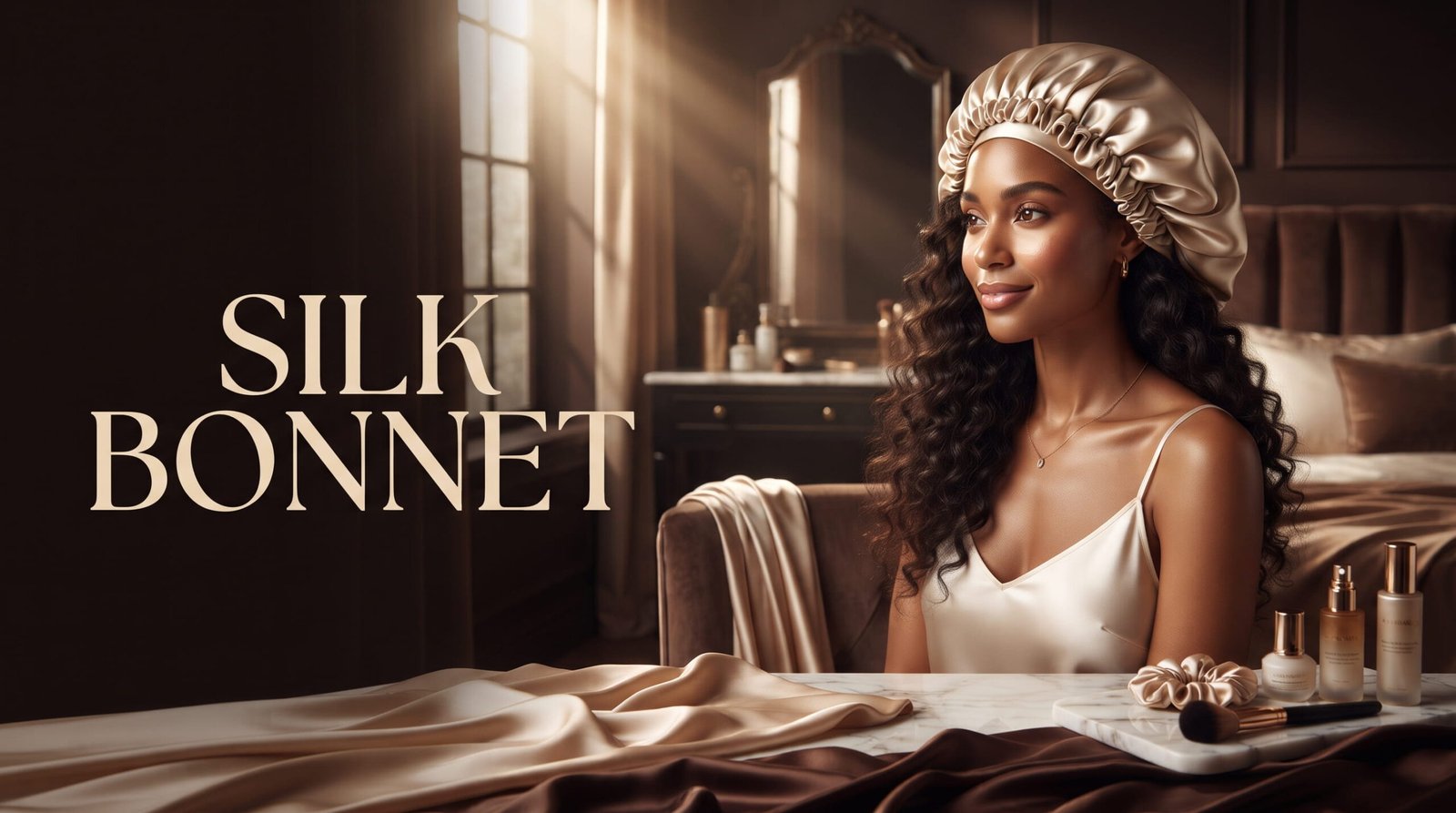
A silk bonnet is a hair-care accessory designed to protect your hair while you sleep. Made from silk fabric, it creates a smooth covering that helps reduce friction between your hair and the pillowcase. This can be especially useful for people with curly, coily, wavy, dry, or chemically treated hair.
During sleep, repeated movement against cotton pillowcases can contribute to tangles, frizz, and breakage. A properly fitted bonnet provides a protective layer that helps hair retain its natural shape and makes morning styling easier.
Silk bonnets are available in different sizes, colors, and designs to accommodate various hair lengths and textures. However, not every bonnet labeled “silk” is made from genuine silk, so understanding the materials, fit, and care requirements can help you make a better choice.
What Is a Silk Bonnet?
A silk bonnet is a soft, fabric covering worn over the hair, usually at night. Genuine silk bonnets are commonly made from mulberry silk, a natural fiber known for its smooth texture.
The bonnet typically has an elasticated or adjustable band that keeps it in place while you sleep. Some designs offer a spacious interior for long, thick, curly, or braided hairstyles, while others have a closer fit for shorter hair.
The primary purpose is to minimize friction, help preserve hairstyles, and reduce unnecessary manipulation of the hair.
It is important to distinguish genuine silk from satin. Silk describes a fiber, while satin describes a type of fabric weave. Satin bonnets can be made from silk, polyester, or other fibers, and their performance and price may differ.
Benefits of Wearing a Silk Bonnet
1. Helps Reduce Hair Breakage
Hair can experience friction when it rubs against bedding throughout the night. Repeated friction may contribute to tangling and breakage, especially when hair is fragile, chemically treated, or already damaged.
A smooth silk surface can help reduce this friction. Although a bonnet cannot repair existing damage, it can support a gentler hair-care routine.
2. Helps Control Frizz
Frizz can occur when strands become tangled, disturbed, or affected by changes in moisture. A silk bonnet helps limit contact between the hair and rougher bedding materials.
People with naturally curly or wavy hair may find that their hair looks more defined and manageable in the morning.
Results vary according to hair texture, humidity, styling products, and how well the bonnet fits.
3. Preserves Natural Curls
Curly and coily hair can lose its shape when compressed or rubbed against a pillow. A bonnet provides space for the hair and reduces friction during sleep.
A roomy design is particularly useful for preserving twist-outs, braid-outs, wash-and-go styles, and other textured hairstyles.
For best results, avoid tying curls too tightly underneath the bonnet.
4. Helps Maintain Hairstyles
A bonnet may help extend the life of certain hairstyles by limiting movement and contact with bedding.
It can be useful for protecting braids, twists, blowouts, and other carefully styled looks. However, very tight hairstyles can still cause tension and hair loss, even when covered with a bonnet.
5. May Help Retain Hair Moisture
A silk bonnet can help reduce friction and limit the transfer of hair products onto bedding. This may support a routine designed to keep hair feeling soft and manageable.
However, silk does not directly moisturize hair or prevent all moisture loss. Using suitable conditioners and avoiding excessive heat remain important parts of hair care.
6. Reduces Morning Detangling
When hair becomes tangled during sleep, brushing or combing it the next morning may cause unnecessary pulling.
By helping keep strands contained, a bonnet may reduce the number of tangles that develop overnight. This can make morning grooming easier, particularly for long or textured hair.
7. Supports Protective Hairstyles
People who wear braids, twists, locs, or other protective styles may use a bonnet to reduce friction and keep their hairstyle covered.
A large bonnet can accommodate bulky styles without compressing them excessively. The hair should be clean, and the scalp should not remain damp under the covering for prolonged periods.
8. Helps Protect Bedding From Hair Products
Hair oils, leave-in conditioners, and styling creams can transfer from the hair to pillowcases. Wearing a bonnet may help reduce this transfer.
It does not eliminate the need to wash bedding or clean the bonnet regularly, but it can help keep hair products more contained.
Types of Silk Bonnets
Different designs suit different hair lengths, textures, and sleeping habits.
1. Genuine Silk Bonnet
A genuine silk bonnet is made from natural silk fibers. Mulberry silk is a common choice because of its smooth texture and soft feel.
These bonnets may cost more than synthetic alternatives and generally require careful washing. Check the product label to confirm the fiber content.
2. Satin Bonnet
Satin bonnets have a smooth surface that can also reduce friction. Many affordable versions are made from polyester satin rather than silk.
They can be a practical option for everyday hair protection. The important distinction is that satin does not automatically mean silk.
3. Double-Layer Silk Bonnet
A double-layer design has two layers of fabric, often intended to provide additional coverage and structure.
Depending on its construction, it may feel more substantial than a single-layer bonnet. Check whether both layers are genuine silk if that is important to you.
4. Adjustable Silk Bonnet
An adjustable bonnet includes a tie, drawstring, or other fastening mechanism to help customize the fit.
This can be useful for people who find that ordinary elastic bands slip off during sleep. The fastening should remain comfortable and should not create pressure around the forehead.
5. Extra-Large Bonnet
An extra-large bonnet provides more room for long, thick, curly, or coily hair. It may also accommodate braids, twists, and other protective styles.
Choose enough interior space to hold your hair without flattening it or placing tension on the roots.
6. Reversible Bonnet
A reversible bonnet can be worn with either side facing outward. Some designs feature different colors or finishes on each side.
This is primarily a design feature; it does not necessarily mean the bonnet provides greater hair protection.
How to Choose the Best Silk Bonnet
Selecting the right bonnet involves more than choosing a color or attractive design.
Check the Fabric
If you want genuine silk, look for clear labeling that identifies the material as 100% silk or specifies the silk percentage. Terms such as “silky,” “silk-like,” and “satin” do not necessarily mean the product contains real silk.
A polyester satin bonnet may still be a useful alternative if your main goal is reducing friction at a lower cost.
Choose the Correct Size
The bonnet should cover all your hair without pulling at the roots or flattening your hairstyle.
People with long, thick, or highly textured hair may need a larger design. If your hair is short, a smaller bonnet may feel more secure.
Consider the Band
The band should be snug enough to keep the bonnet in place but not so tight that it causes headaches, pressure marks, or discomfort.
If you experience repeated tension around your hairline, try a softer or adjustable design.
Think About Your Hair Texture
Curly, coily, and highly textured hair may benefit from a spacious bonnet that accommodates the hair’s natural volume.
Fine or straight hair may do well with a smaller design that prevents the bonnet from slipping. Individual preferences and sleeping habits also matter.
Read the Care Instructions
Natural silk often needs gentle handling, while some satin products are easier to wash and maintain.
Choose a bonnet that fits your budget and the amount of care you are willing to provide.
How to Wear a Silk Bonnet Correctly
Using a bonnet properly can help it stay in place and protect your hairstyle.
- Prepare your hair: Detangle gently if needed and arrange your hair in a comfortable style. Avoid pulling it tightly.
- Make sure your hair is appropriately dry: Do not trap very wet hair under a bonnet for extended periods.
- Gather your hair carefully: Place curls, braids, twists, or longer strands inside without forcing them into a small space.
- Position the bonnet: Cover your hairline and ensure all your hair is inside the fabric.
- Adjust the band: Make it secure enough to stay on without creating pressure.
- Check comfort: Move your head naturally and ensure the bonnet does not pull at the scalp.
- Wash it regularly: Follow the manufacturer’s instructions to remove sweat, oil, and product buildup.
If the bonnet repeatedly slips off, consider a different size or fastening style rather than tightening it excessively.
Silk Bonnet for Different Hair Types
Curly Hair
Curly hair can become tangled or lose definition during sleep. A roomy bonnet may help preserve curls and reduce friction.
Some people combine a bonnet with a loose pineapple hairstyle, in which the hair is gathered gently near the top of the head.
Coily and Afro-Textured Hair
Coily hair can be prone to dryness and breakage, so minimizing unnecessary friction can be helpful.
A large bonnet may accommodate natural volume, braids, twists, or other protective styles. Avoid tight bands that place tension on the hairline.
Wavy Hair
Wavy hair can lose definition or become frizzy overnight. A bonnet may help preserve the natural pattern and reduce the need for extensive restyling in the morning.
Experiment with how you position your hair to avoid flattening the waves.
Straight Hair
People with straight hair may use a bonnet to reduce tangling and protect blowouts or other styled looks.
A smaller, lightweight bonnet may be more comfortable for fine or shorter hair, provided it stays secure without pulling.
Chemically Treated or Heat-Styled Hair
Bleached, colored, relaxed, or frequently heat-styled hair may be more vulnerable to breakage.
A bonnet can reduce friction, but it does not reverse chemical damage or eliminate the risks associated with excessive heat styling.
Silk Bonnet vs. Silk Pillowcase
Both accessories can reduce friction, but they work differently.
| Feature | Silk bonnet | Silk pillowcase |
| Hair coverage | Covers and contains the hair | Hair rests against the pillowcase |
| Hairstyle protection | Can help preserve styles | Offers less control over hair movement |
| Risk of slipping | May come off during sleep | Usually stays on the pillow |
| Best suited for | People wanting contained hair | People who dislike wearing head coverings |
| Hair accommodation | Depends on bonnet size | Works with most hairstyles |
Some people use both, but this is not essential. The better choice depends on comfort, sleeping habits, hairstyle, and budget.
How to Wash and Care for a Silk Bonnet
Proper care can help preserve the fabric and extend the life of your bonnet.
Follow the Label
Always check the manufacturer’s instructions before washing. Some silk products are suitable for gentle handwashing, while others require specialist cleaning.
Use Gentle Cleaning Products
If handwashing is permitted, use cool water and a detergent formulated for delicate fabrics. Avoid harsh bleach and aggressive scrubbing.
Avoid Twisting the Fabric
After washing, gently remove excess water without wringing the bonnet. Twisting may damage delicate fibers or distort the shape.
Dry Carefully
Follow the product’s drying instructions. When appropriate, allow the bonnet to air-dry away from direct heat or intense sunlight.
Avoid high heat unless the manufacturer specifically permits it.
Keep It Clean
Wash the bonnet regularly, particularly if you use hair oils, styling products, or sweat heavily during sleep.
The ideal washing frequency depends on how often you wear it and how quickly it becomes oily or dirty.
Common Silk Bonnet Mistakes to Avoid
A bonnet is simple to use, but a few mistakes can reduce comfort or effectiveness.
- Choosing the wrong size: A bonnet that is too small can flatten hair or pull at the roots.
- Using a tight band: Excessive pressure can irritate the hairline and contribute to traction-related hair loss.
- Assuming every satin bonnet is silk: Check the fiber label if genuine silk matters to you.
- Wearing it over very wet hair: Trapping moisture for long periods may encourage an uncomfortable scalp environment.
- Neglecting cleaning: Sweat, oils, and styling products can accumulate in the fabric.
- Expecting it to repair damaged hair: A bonnet helps reduce friction but cannot reverse split ends or restore damaged strands.
- Ignoring scalp discomfort: Stop using a bonnet that causes persistent itching, pressure, or irritation and reassess the fit and material.
Conclusion
A silk bonnet is a useful accessory for people who want to protect their hair while sleeping. Its smooth surface can help reduce friction, minimize tangling, preserve hairstyles, and make morning grooming easier.
Choosing the right fabric, size, and band is essential for comfort and performance. Genuine silk and satin are different materials, but either may be suitable depending on your preferences and budget.
For the best results, combine nighttime hair protection with gentle detangling, suitable conditioning, reduced heat damage, and regular cleaning of hair accessories. A bonnet can support healthy hair-care habits, although it cannot replace an appropriate routine or medical treatment for hair loss.
Frequently Asked Questions (FAQs)
1. What is a silk bonnet used for?
A silk bonnet covers the hair during sleep to help reduce friction, tangling, frizz, and disruption of hairstyles.
2. Is a silk bonnet good for curly hair?
Yes. It can help preserve curl definition and reduce overnight friction. A roomy bonnet that does not compress the curls excessively is usually preferable.
3. Does a silk bonnet prevent hair breakage?
It may help reduce friction-related breakage, especially when hair is fragile or prone to tangling. However, it cannot prevent every cause of hair damage.
4. Is silk better than satin for hair?
Both can provide a smooth surface that reduces friction. Genuine silk is a natural fiber, while satin describes a weave that can be made from different materials. The best choice depends on quality, comfort, care needs, and budget.
5. Can I wear a silk bonnet every night?
Yes, if it is clean, comfortable, and fits properly. Avoid tight bands and make sure your scalp does not become persistently damp or irritated.
6. Should I wear a silk bonnet with wet hair?
It is generally better to let your hair dry sufficiently before covering it for the night. Trapping very wet hair for long periods may create an uncomfortable, damp environment.
7. How often should I wash my silk bonnet?
Wash it according to the manufacturer’s instructions and how often it becomes dirty or oily. Regular cleaning helps remove sweat, oils, and hair-product residue.
8. Why does my silk bonnet fall off while I sleep?
It may be too large, have a loose band, or be unsuitable for your sleeping habits. Try a better-fitting or adjustable design rather than tightening it excessively.
9. Can a silk bonnet help prevent frizz?
It may help reduce friction-related frizz and tangling. Results depend on hair texture, humidity, styling methods, and the bonnet’s fit.
10. Is a silk bonnet worth buying?
It may be worthwhile if you regularly experience tangling, frizz, or disruption of your hairstyle overnight. A quality satin bonnet can also be a practical, more affordable alternative.