Hair Dye Colors: How to Choose the Right One
Introduction
Changing your hair color is one of the easiest ways to refresh your appearance, highlight your features, and express your personal style. From natural-looking brown shades to vibrant reds, golden blondes, and creative fashion colors, there are countless options for different preferences and hair types.
Choosing a suitable shade involves more than following a trend. Your natural hair color, skin undertone, hair condition, and willingness to maintain the result all play an important role. Some people prefer subtle changes that look natural, while others enjoy dramatic transformations that make a statement.
This guide explores popular shades, explains how to choose a flattering color, and shares practical tips for coloring and maintaining healthy-looking hair.
What Are Hair Dye Colors?
Hair dye colors are shades created by coloring products that change or enhance the natural appearance of hair. Depending on the formula, dye may temporarily coat the hair, deposit color that gradually fades, or chemically alter the hair’s natural pigment for a longer-lasting result.
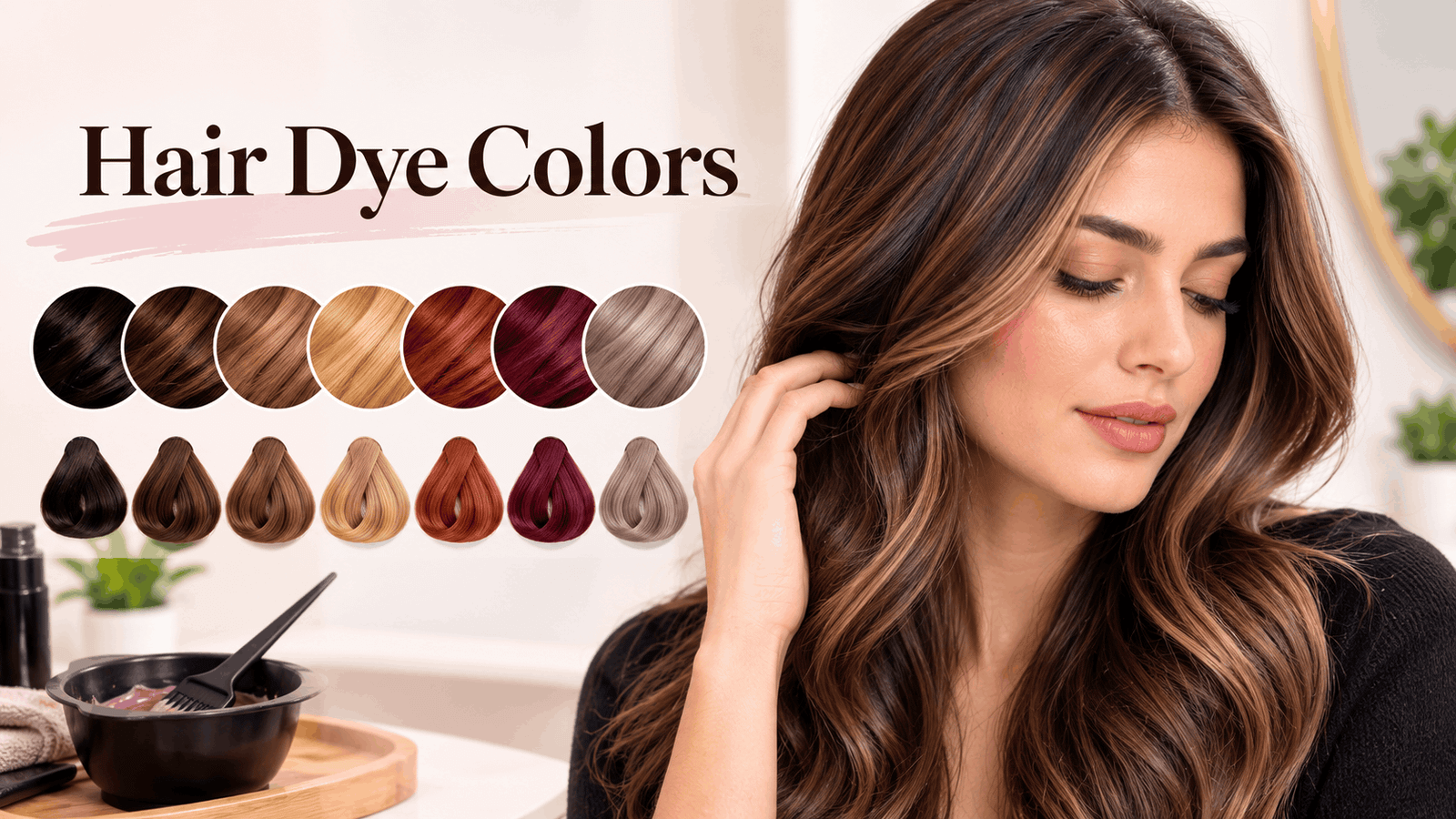
Hair coloring products are available in numerous shades, including black, brown, blonde, red, copper, burgundy, and unconventional colors such as blue, pink, and purple.
The final result depends on several factors, including the starting hair color, previous chemical treatments, the product used, and the processing method. A shade shown on a package or color chart may look different on naturally dark hair than it does on light or previously bleached hair.
Popular Hair Dye Colors to Try
<text>Choosing between natural shades and bold colors depends on the look you want to achieve. Here are some popular options to consider.</text>
1. Chocolate Brown
Chocolate brown is a rich, versatile shade that offers warmth and depth without looking as intense as jet black. It can create a polished appearance while maintaining a relatively natural effect.
This color works well for people who want a noticeable change without moving too far from a brunette base. It can also be combined with caramel highlights for added dimension.
2. Caramel Brown
Caramel brown blends brown tones with golden warmth. It can brighten the appearance of dark hair and create a sunlit effect, particularly when applied as highlights or balayage.
This shade is a popular option for people who want a warm, dimensional look instead of a single flat color. Lighter caramel results on naturally dark hair may require pre-lightening.
3. Honey Blonde
Honey blonde combines golden and beige tones to create a warm, bright finish. It can add softness and light to the overall hairstyle.
Because achieving blonde hair from a dark base often requires bleaching, professional advice is helpful when a significant color change is planned. Maintaining the shade may also require toning and conditioning treatments.
4. Ash Brown
Ash brown features cooler, muted undertones rather than strong golden or red reflections. It is often chosen by people who prefer a smoky brunette appearance.
The exact result depends on the existing pigment in the hair. If naturally dark hair has strong warm undertones, achieving a clean ash finish may require careful color formulation.
5. Burgundy
Burgundy is a deep red-purple shade that adds richness and personality. Depending on the formula and lighting, it can appear closer to wine red, plum, or dark cherry.
This color can be worn as an all-over shade or incorporated into highlights. Red pigments often fade noticeably with repeated washing, so color-safe products and appropriate maintenance can help preserve the result.
6. Copper Red
Copper shades combine red and orange tones to create a vibrant, warm appearance. Options range from soft strawberry copper to intense, fiery red-orange.
Copper can look especially striking when it complements the wearer’s natural coloring. However, vivid copper shades may require regular refreshing because warm red pigments can lose their intensity over time.
7. Jet Black
Jet black delivers a deep, dramatic finish and creates strong contrast with many complexions. It can make hair appear visually rich and uniform.
People considering permanent black dye should think carefully before committing to it. Removing or lightening artificial black pigment can be difficult and may require several professional sessions.
8. Espresso Brown
Espresso brown is a deep brunette shade that sits close to black but often looks softer under natural light. It is suitable for people who want a rich, understated color.
It can be a practical choice for maintaining a dark appearance while avoiding the particularly stark effect that some jet-black formulas create.
9. Rose Brown
Rose brown combines brunette tones with a subtle pink or rosy reflection. Depending on the formula, the finish may be delicate and muted or more noticeable.
It offers a creative alternative to traditional brown without requiring an extremely bright fashion color. The visibility of the rosy effect depends on the starting shade and whether lightening is necessary.
10. Cherry Cola
Cherry cola is a deep reddish-brown shade with burgundy or cherry reflections. It can look almost brunette indoors and reveal more red tones under brighter lighting.
This shade has attracted renewed attention in recent hair-color trends. It can be an appealing option for people who want a red-inspired look without choosing a bright, vivid red.
11. Mushroom Brown
Mushroom brown is a muted, neutral-to-cool brunette shade inspired by taupe and beige tones. It can create a soft, understated finish.
The shade is often achieved through carefully balanced color formulas. On hair with strong warm underlying pigment, reaching the desired result may require professional color correction or controlled lightening.
12. Burgundy Plum
Burgundy plum combines deep red and violet tones for a more dramatic finish. It can be especially attractive for people who want a darker color with visible personality.
Depending on the product and starting hair color, the result may look subtle in indoor lighting and more vibrant outdoors.
How to Choose the Right Hair Color for Your Skin Tone
Your skin undertone can help you narrow down suitable shades, but it should not be treated as a strict rule. Personal preference, eye color, natural hair color, and the amount of contrast you enjoy are also important.
Hair Colors for Warm Undertones
Warm undertones may have golden, yellow, or peachy qualities. People who identify with these characteristics often enjoy experimenting with:
- Golden brown
- Honey blonde
- Caramel
- Warm chocolate brown
- Copper
- Auburn
These shades can complement the warmth already present in the complexion. However, cooler colors can also work when chosen intentionally.
Hair Colors for Cool Undertones
Cool undertones may have pink, rosy, or bluish qualities. Shades worth considering include:
- Ash brown
- Cool espresso
- Beige blonde
- Burgundy
- Plum
- Blue-black
The right depth matters as much as the undertone. A very light shade may create a completely different effect from a deep brunette, even when both have cool tones.
Hair Colors for Neutral Undertones
Neutral undertones generally offer flexibility because neither warm nor cool tones dominate strongly.
Possible choices include chocolate brown, hazelnut, neutral blonde, soft black, rose brown, and balanced caramel shades.
Trying temporary or semi-permanent color can be a useful way to explore different looks before making a longer-term commitment.
Hair Colors for Olive and Deeper Complexions
Olive and deeper complexions can pair beautifully with rich brunette shades, mahogany, warm caramel accents, burgundy, copper, and carefully selected blonde highlights.
The goal is not to follow a rigid list of colors for a particular skin depth. Instead, consider whether you prefer harmonious tones, noticeable contrast, or a bold fashion statement.
Hair Color Ideas for Different Natural Hair Colors
For Naturally Black Hair
Naturally black hair can be enhanced with espresso brown, chocolate brown, burgundy, cherry cola, or subtle caramel accents.
A darker shade may be achievable without bleach, depending on the desired result. However, visibly lighter blonde or caramel pieces usually require lightening.
For Naturally Brown Hair
Brown hair provides a flexible starting point for many shades, including chestnut, mocha, copper, caramel, ash brown, and honey highlights.
Small changes in tone can make a noticeable difference without requiring a complete transformation.
For Naturally Blonde Hair
Blonde hair can be adjusted toward beige, honey, platinum, strawberry blonde, rose gold, or darker brunette shades.
Because lighter hair may absorb some pigments differently, a strand test can help reveal how the selected formula will develop.
For Gray Hair
Gray coverage depends on the product, the percentage of gray hair, and the desired finish. Natural-looking brown, dark blonde, and soft black shades are common options.
Some people prefer full coverage, while others choose highlights or blending techniques that soften the contrast between gray roots and colored lengths. A professional colorist can recommend an approach based on the amount and distribution of gray hair.
Hair Dye Types: Which Formula Should You Choose?
Different coloring products offer different levels of longevity and color change.
Temporary Hair Color
Temporary color usually sits on or near the outside of the hair shaft and washes out relatively quickly. It can be useful for a short-term change, special occasions, or experimenting with a bold shade.
Its staying power varies by formula and hair condition.
Semi-Permanent Hair Dye
Semi-permanent products generally deposit color without the same permanent chemical process used by many permanent dyes. They gradually fade with washing and are often used to refresh tones or try a new look.
They typically cannot lighten naturally dark hair.
Demi-Permanent Hair Color
Demi-permanent formulas usually last longer than temporary or many semi-permanent options. They can enhance tone, refresh existing color, and blend some gray hair, depending on the formula.
They are not generally intended for substantial lightening.
Permanent Hair Dye
Permanent dye uses a chemical process to change hair pigment and create a longer-lasting result. It is commonly used for gray coverage, darker shades, or significant changes in tone.
New growth will still appear in the natural color, so root maintenance is often needed.
Hair Coloring Techniques for a Natural, Dimensional Look
The application technique can influence the final appearance just as much as the shade itself.
All-Over Color
All-over coloring applies a similar shade throughout the hair. It can create a consistent appearance and may be suitable for covering gray hair or changing the overall tone.
Highlights
Highlights lighten selected strands to create contrast and dimension. They can make layered hairstyles appear more textured and add brightness around the face.
Lowlights
Lowlights add darker strands to create depth. They can make very light hair appear more dimensional and help blend different shades.
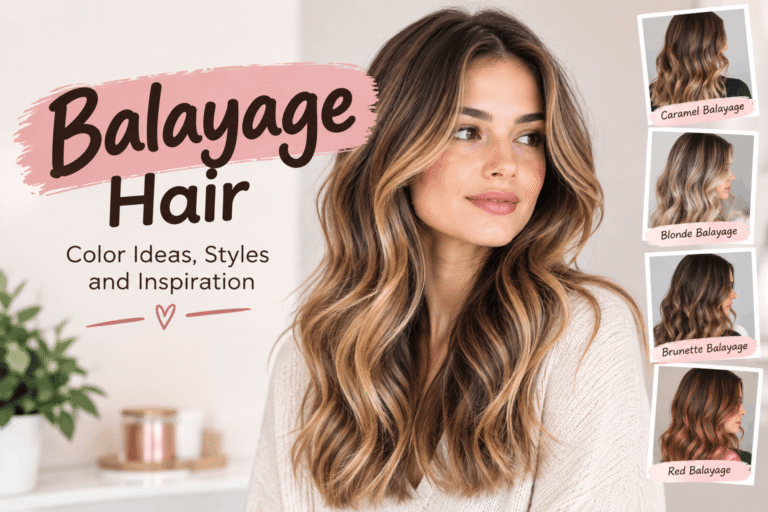
Balayage
Balayage is a freehand highlighting technique that creates a gradual, blended appearance. It is often used for caramel, blonde, and brunette looks.
Because the roots may remain closer to the natural shade, some balayage styles can be easier to maintain than uniform light color.
Ombre
Ombre creates a gradual transition from a darker root area to lighter ends or between two distinct shades. It can be subtle or dramatic depending on the contrast.
Face-Framing Highlights
Face-framing highlights brighten selected strands around the face. They can create a noticeable change without coloring every section of the hair.
How to Dye Your Hair Safely at Home
At-home coloring can be convenient, but preparation is important to help avoid uneven results and unwanted reactions.
Step 1: Read the Instructions
Choose a product designed for your intended result and read the instructions completely. Do not assume that all dyes use the same processing time or application method.
Step 2: Perform the Recommended Allergy Alert Test
Follow the manufacturer’s instructions for the skin allergy test, even if you have used hair dye before. Allergies can develop after previous uneventful use.
If you develop itching, redness, swelling, or another reaction during testing, do not use the product. A negative test cannot guarantee that a reaction will never occur.
Step 3: Conduct a Strand Test
Apply the product to a small, hidden section as directed. This helps you assess the resulting shade and how your hair responds.
A strand test is particularly useful when coloring previously dyed, bleached, or chemically treated hair.
Step 4: Protect Your Skin and Clothing
Use the gloves supplied with the product and protect clothing and nearby surfaces. Apply the product only as instructed, and avoid contact with the eyes.
Step 5: Follow the Timing Instructions
Do not leave dye on longer than recommended in an attempt to achieve a deeper color. Excessive processing can irritate the scalp or damage hair.
Never mix different products unless the manufacturer explicitly says it is safe to do so.
Step 6: Rinse and Condition as Directed
Follow the product’s rinsing and conditioning instructions. If burning, severe irritation, swelling, or breathing difficulties occur, stop exposure and seek appropriate medical care. Breathing difficulties or significant facial or throat swelling require emergency assistance.
How to Maintain Colored Hair
Good aftercare helps preserve the shade and maintain a smooth, manageable texture.
Use Suitable Shampoo and Conditioner
Choose products formulated for color-treated hair. Gentle cleansing can help reduce unnecessary fading, although no shampoo can prevent all color loss.
Avoid Excessive Washing
Wash as often as your scalp needs. If frequent washing causes noticeable fading, consider adjusting the routine while still keeping the scalp clean.
Limit Excessive Heat Styling
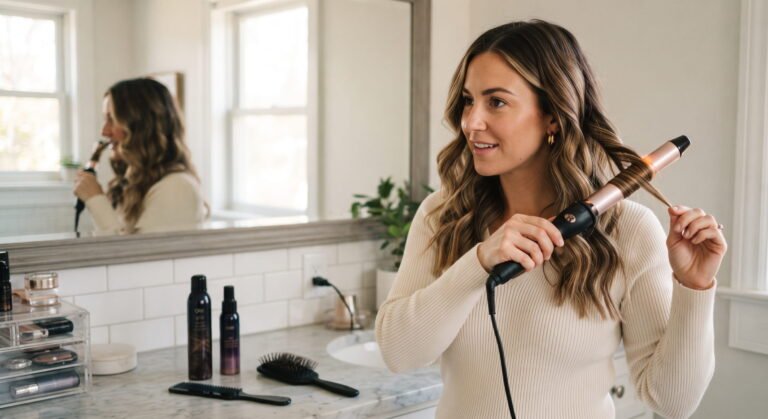
Frequent high-temperature styling can contribute to dryness and breakage. Use heat protection and choose moderate settings when possible.
Protect Hair From Sun Exposure
Prolonged sun exposure can affect some hair dye colors and contribute to dryness. Hats and suitable protective products can help limit exposure.
Condition Regularly
Conditioner and occasional conditioning treatments can improve softness, reduce tangling, and make colored hair easier to manage.
Refresh the Color Thoughtfully
Color-refreshing glosses or deposit-only products may help maintain tone between coloring sessions. Choose a product appropriate for your current shade and avoid repeatedly applying permanent dye to the entire length when only the roots need attention.
Common Hair Coloring Mistakes to Avoid
Several common mistakes can lead to disappointing results or unnecessary damage.
- Choosing a shade based only on a photo: Lighting, filters, and the original hair color can change how a shade appears.
- Skipping the allergy test: Previous use does not rule out a future allergic reaction.
- Ignoring previous chemical treatments: Old dye and bleach can affect how new color develops.
- Expecting dye to lighten dyed hair dramatically: Permanent color generally cannot reliably lift previously colored hair to a much lighter shade.
- Overlapping bleach or permanent color unnecessarily: Repeated processing can increase dryness and breakage.
- Using permanent black dye without considering future changes: Removing dark artificial pigment can be difficult.
- Ignoring scalp irritation: Persistent burning, swelling, or rash should not be dismissed as a normal part of coloring.
When making a major change, consulting a qualified colorist can help reduce the risk of uneven color and excessive damage.
Conclusion
Choosing a new hair shade can be an enjoyable way to refresh your appearance, whether you prefer natural brunette tones, bright blonde highlights, deep burgundy, or creative fashion colors. The best option depends on your starting hair color, preferred style, skin undertone, hair condition, and maintenance routine.
Before coloring, review the product instructions, perform the recommended allergy test, and consider a strand test. If your desired result requires substantial lightening or correction of previous dye, professional guidance can be especially helpful.
With thoughtful shade selection and consistent aftercare, colored hair can look vibrant, polished, and healthy.
Frequently Asked Questions (FAQs)
1. Which hair dye color is most popular?
Brown shades, including chocolate, espresso, caramel, and chestnut, are versatile choices. Burgundy, cherry cola, blonde highlights, and copper are also popular options for people seeking more visible color.
2. How do I choose a hair color that suits me?
Consider your natural hair color, skin undertone, eye color, personal style, and maintenance preferences. Reviewing shade examples in natural lighting and performing a strand test can help you make a more informed choice.
3. Which hair color looks most natural?
A shade close to your natural hair color often creates the most subtle result. Natural-looking options include espresso, chocolate brown, chestnut, and soft black, although the best choice varies from person to person.
4. Can I dye my hair lighter without bleach?
Some dyes can lighten virgin hair within a limited range, depending on the product and starting shade. However, previously dyed dark hair usually cannot be made substantially lighter with another permanent dye alone.
5. Which hair color is best for covering gray hair?
Permanent brown, dark blonde, and black shades may provide gray coverage, depending on the product and hair characteristics. Some people prefer highlights or gray blending for a softer transition as new growth appears.
6. How long does hair dye last?
Temporary color may wash out quickly, while semi-permanent color gradually fades over multiple washes. Permanent color lasts longer in the treated hair, but new natural growth remains visible and may require root touch-ups.
7. Is hair dye safe to use at home?
Many people use home coloring products successfully when following instructions carefully. However, hair dyes can cause allergic reactions or irritation. Perform the recommended allergy alert test and do not use the product if a reaction occurs.
8. How can I prevent colored hair from fading?
Use suitable color-safe hair products, limit unnecessary washing, protect hair from excessive heat and sun exposure, and follow appropriate conditioning practices. The rate of fading depends on the formula, shade, hair condition, and washing routine.
9. Can I change my hair color if it has already been dyed?
Yes, but the result depends on the previous dye, current hair condition, and desired shade. Dark artificial pigment can be particularly difficult to remove. A professional assessment and strand test may help determine the safest approach.
10. Can hair dye damage my hair?
Chemical coloring can contribute to dryness, roughness, and breakage, particularly when it involves repeated bleaching or overlapping chemical treatments. Following product instructions, avoiding unnecessary processing, and conditioning regularly can help reduce damage.