Clean and Face: How to Clean Your Face Properly for Healthy,

Introduction
A clean face is one of the foundations of a healthy skincare routine. Throughout the day, the skin comes into contact with sweat, oil, dust, pollution, sunscreen, makeup, and other environmental impurities. If these substances are not removed properly, they can contribute to clogged pores, dullness, irritation, and breakouts. However, cleaning your face does not mean scrubbing it aggressively or trying to remove every trace of natural oil.
The goal of clean and face care is to remove unwanted buildup while protecting the skin barrier. A good cleansing routine should leave the skin feeling comfortable, fresh, and balanced rather than tight, burning, or excessively dry. Facial cleansers are available in many forms, including gels, foams, creams, balms, and oils, and the best choice depends largely on your skin type and concerns. (Black Rose)
In this guide, we will explain how to clean your face correctly, how often you should cleanse, which products may work for different skin types, common mistakes to avoid, and how cleansing fits into a complete skincare routine.
Why Is Cleaning Your Face Important?
Your facial skin naturally produces sebum, which helps protect and lubricate it. At the same time, sweat, dead skin cells, pollution, sunscreen, and cosmetics can accumulate on the surface.
Regular cleansing helps remove this buildup and prepares the skin for other skincare products. A suitable facial cleanser can remove dirt, excess oil, makeup residue, and environmental impurities without unnecessarily disturbing the skin’s protective barrier. (Doctors Elements)
Proper cleansing may help:
- Remove excess oil and sweat
- Wash away dirt and pollution
- Remove sunscreen and makeup residue
- Reduce the buildup that can contribute to clogged pores
- Keep the skin feeling fresh
- Prepare the skin for moisturizer and other products
- Support a consistent skincare routine
However, more cleansing is not automatically better. Over-cleansing can leave the skin dry and irritated, particularly when harsh products or aggressive scrubbing are involved.
Cleanser vs. Face Wash: Are They the Same?
The terms cleanser and face wash are frequently used interchangeably, but there can be differences between the products.
A facial cleanser is a broad category that includes products designed to remove impurities from the skin. Cleansers can have cream, milk, balm, oil, or gel textures. Face washes are generally water-based and are often formulated to create foam or lather. (The Body Shop)
A creamy or gentle cleanser may be particularly comfortable for dry or sensitive skin, while a lightweight gel or foaming cleanser may be preferred by people with oily or combination skin.
The important point is not whether a product is labeled “cleanser” or “face wash.” Instead, consider whether its ingredients and texture are appropriate for your individual skin.
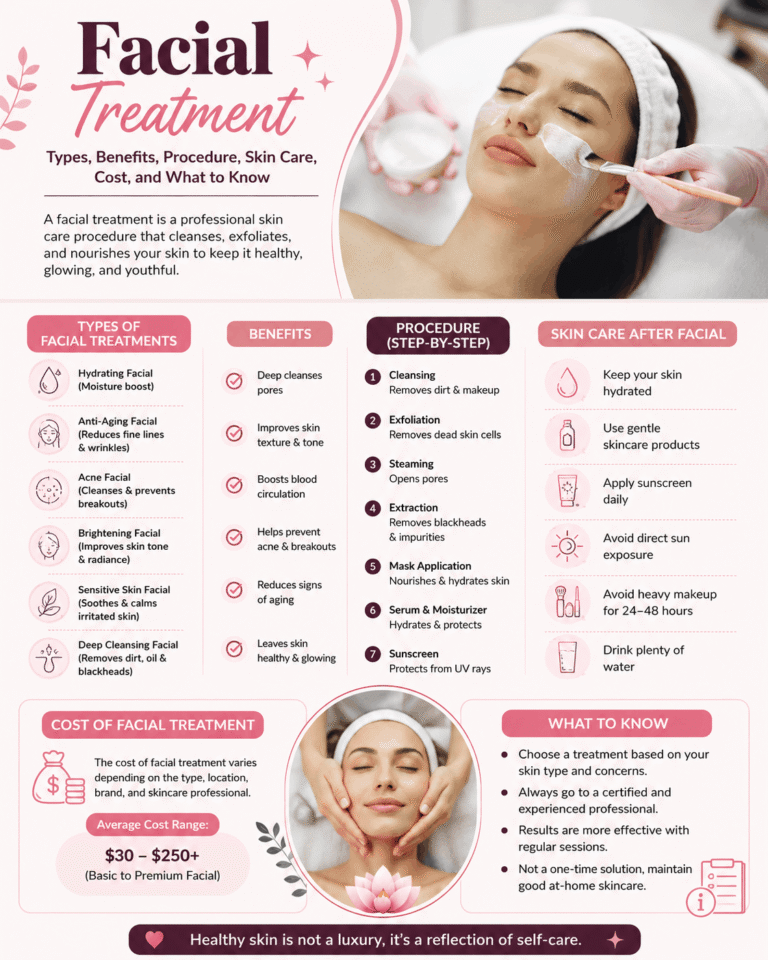
How to Clean Your Face Properly
A simple technique can make your cleansing routine more effective.
1. Wash Your Hands First
Before touching your face, wash your hands. Applying cleanser with dirty hands can transfer additional bacteria, oil, and debris onto the skin.
2. Wet Your Face
Use lukewarm water rather than extremely hot water. Hot water can make already-dry or sensitive skin feel more irritated.
3. Apply a Suitable Cleanser
Use a small amount of facial cleanser and gently distribute it over the face.
You do not need to scrub forcefully. Your fingertips are usually enough to massage the cleanser across the forehead, cheeks, nose, chin, and jawline.
4. Massage Gently
Spend a little extra time around areas where oil tends to accumulate, such as the nose, forehead, and chin.
Avoid aggressive rubbing. Cleansing should be gentle rather than abrasive.
5. Rinse Thoroughly
Rinse away the cleanser with lukewarm water. Make sure there is no noticeable residue left around the hairline, nose, jaw, or other areas.
6. Pat the Skin Dry
Use a clean, soft towel and gently pat your face dry. Avoid rubbing the skin vigorously.
7. Moisturize
Apply an appropriate moisturizer while the skin is still slightly comfortable and hydrated. If you are cleansing in the morning, finish your routine with sunscreen.
How Often Should You Clean Your Face?
For many people, cleansing once or twice daily is sufficient. A morning cleanse can remove overnight sweat and oil, while an evening cleanse is particularly important for removing sunscreen, makeup, pollution, and accumulated impurities.
Some people with very dry or sensitive skin may find that cleansing too frequently increases dryness. On the other hand, people with oily or acne-prone skin may benefit from consistent cleansing with an appropriate product.
The key is to observe how your skin responds. If your face regularly feels tight, flaky, burning, or uncomfortable after washing, your cleanser or cleansing frequency may be too aggressive.
Choosing a Cleanser for Your Skin Type
There is no single cleanser that is perfect for everyone. Your skin type should influence the formula you choose.
Clean and Face Routine for Oily Skin
Oily skin produces more sebum, which can make the face look shiny and may contribute to clogged pores.
A lightweight gel or foaming cleanser can be useful for removing excess oil. Ingredients such as salicylic acid may be helpful for people dealing with clogged pores and acne because salicylic acid can exfoliate within the pore.
However, excessively stripping oily skin can backfire. A cleanser that leaves your face extremely dry or tight may not be the best choice.
Clean and Face Routine for Dry Skin
Dry skin generally benefits from a gentle, hydrating cleanser.
Look for formulas designed to cleanse without aggressively removing the skin’s natural oils. Cream or lotion-style cleansers may feel more comfortable than strong foaming products.
Ingredients such as ceramides and hyaluronic acid are commonly included in hydrating cleansing formulas. Some modern cleansers are specifically designed to remove impurities while supporting the skin barrier. (CeraVe Pakistan)
Clean and Face Routine for Combination Skin
Combination skin can be oily in some areas and relatively dry in others.
A balanced, gentle cleanser is often a practical starting point. Avoid choosing an extremely harsh formula simply because your T-zone becomes oily.
If your cheeks feel dry after washing while your forehead and nose remain oily, consider a mild cleanser rather than trying to eliminate all oil from the face.
Clean and Face Routine for Sensitive Skin
Sensitive skin needs extra care.
Choose products with a simple formulation and avoid unnecessary irritants when possible. Fragrance-free and gentle products may be preferable for people whose skin reacts easily.
The ideal cleanser should leave sensitive skin feeling clean without burning, stinging, or creating prolonged redness.
If a product consistently causes irritation, stop using it rather than assuming your skin needs time to “get used to it.”
Clean and Face Routine for Acne-Prone Skin
Acne-prone skin needs cleansing, but aggressive cleansing does not cure acne.
A cleanser containing salicylic acid can be useful for some people with acne and clogged pores. Other acne treatments may contain ingredients such as benzoyl peroxide, but these can be more drying and should be used according to the product’s directions or professional advice.
Avoid squeezing pimples while cleansing. Mechanical irritation can worsen inflammation and potentially increase the risk of post-acne marks.
Ingredients to Look for in a Facial Cleanser
The right ingredients depend on your skin’s needs.
Ceramides
Ceramides are lipids naturally found in the skin barrier. Cleansers formulated with ceramides are often marketed toward people who want a more barrier-supportive cleansing experience. (CeraVe Pakistan)
Hyaluronic Acid
Hyaluronic acid is a humectant that helps attract and retain water. It is frequently used in hydrating skincare formulas.
Niacinamide
Niacinamide is a form of vitamin B3 used in skincare products for several purposes, including supporting the skin barrier and helping manage oiliness.
Salicylic Acid
Salicylic acid is a beta-hydroxy acid commonly used in products intended for oily and acne-prone skin. It can help loosen dead skin cells and oil within pores.
Because active ingredients can sometimes cause dryness or irritation, start appropriately and pay attention to how your skin reacts.
Should You Double Cleanse?
Double cleansing means using two cleansing steps, usually an oil- or balm-based cleanser followed by a water-based cleanser.
It can be useful for people who regularly wear makeup, water-resistant sunscreen, or products that are difficult to remove with a single gentle cleanser.
However, double cleansing is not automatically necessary for everyone. If one appropriate cleanser removes your daily products without leaving residue, a second cleansing step may not provide meaningful additional benefit.
The most important consideration is avoiding excessive stripping. If your skin feels tight and uncomfortable after double cleansing, reconsider the products or whether you need the second step.
Morning vs. Night Face Cleaning
Your morning and evening routines do not necessarily need to be identical.
Morning
A basic morning routine may include:
- Gentle cleanser
- Moisturizer
- Broad-spectrum sunscreen
Some people with very dry or sensitive skin may prefer a lighter cleansing approach in the morning.
Night
The evening routine is often the more important cleansing session because the skin may have accumulated sunscreen, makeup, sweat, oil, and environmental particles throughout the day.
A typical nighttime routine may include:
- Makeup or sunscreen removal if necessary
- Gentle facial cleanser
- Treatment products, if appropriate
- Moisturizer
Common Face-Cleansing Mistakes
Even people who wash their face every day can make mistakes.
Using Very Hot Water
Extremely hot water can make the skin feel dry and uncomfortable.
Scrubbing Too Hard
A rough washcloth or aggressive scrubbing can irritate the skin. Clean does not have to mean “squeaky.”
Washing Too Frequently
Repeated washing can strip the skin and increase dryness or irritation.
Using Body Soap on the Face
Some body soaps are not formulated with facial skin in mind. Facial cleansers are generally designed specifically for the characteristics and needs of facial skin.
Choosing a Product Only Because It Foams
A lot of foam does not necessarily mean a cleanser is better. Cleaning performance and skin tolerance matter more than the amount of lather.
Ignoring Your Skin’s Reaction
Persistent burning, redness, peeling, or tightness after cleansing is a sign to reassess your product or routine.
Can Clean and Face Care Make Skin Glow?
Cleansing alone cannot transform your complexion overnight, but removing surface buildup can make skin look fresher.
A healthy-looking complexion usually depends on several factors, including cleansing, moisturizing, sun protection, sleep, genetics, environmental exposure, and management of specific skin conditions.
If dullness, pigmentation, acne, or persistent redness continues despite a good basic routine, adding more cleansers may not solve the underlying issue. A dermatologist can help determine whether a specific skin condition or treatment needs to be addressed.
How to Build a Simple Face-Cleaning Routine
You do not need a complicated routine with dozens of products.
A simple approach can be highly effective:
Morning:
Cleanser → Moisturizer → Sunscreen
Evening:
Cleanser → Treatment if needed → Moisturizer
If you wear heavy makeup or water-resistant sunscreen, you can consider an appropriate first cleansing step before your regular cleanser.
The goal should be consistency rather than complexity.
When Should You See a Dermatologist?
Cleansing is basic skincare, but it cannot treat every skin problem.
Consider professional advice if you have:
- Persistent or severe acne
- Painful or cystic breakouts
- Repeated facial rashes
- Significant redness or burning
- Severe dryness or peeling
- Persistent itching
- Dark spots that continue to develop
- Skin symptoms that worsen after using skincare products
A dermatologist can help distinguish between ordinary skincare concerns and conditions that require targeted treatment.
Conclusion
Keeping your face clean is an important part of maintaining healthy-looking skin, but effective cleansing is about balance rather than aggressive cleaning. The right cleanser should remove sweat, oil, dirt, sunscreen, makeup, and environmental buildup while leaving the skin comfortable.
Your skin type should guide your choice. Oily and acne-prone skin may benefit from lightweight formulas and selected active ingredients, while dry and sensitive skin often needs gentler, barrier-conscious cleansing. Ingredients such as ceramides, hyaluronic acid, niacinamide, and salicylic acid can serve different purposes depending on the formula and your individual needs. (CeraVe Pakistan)
Most importantly, avoid over-washing, harsh scrubbing, and products that repeatedly cause irritation. A simple routine of appropriate cleansing, moisturizing, and daily sun protection can provide a strong foundation for long-term skincare.
10 Frequently Asked Questions About Clean and Face Care
1. How many times should I clean my face?
For many people, cleansing once or twice daily is enough. Evening cleansing is especially useful for removing sunscreen, makeup, sweat, and daily buildup.
2. Is face wash better than facial cleanser?
Neither is universally better. The best option depends on your skin type, product formulation, and individual needs. Cleansers are often gentler, while some face washes provide a more thorough oil-removing feel.
3. Can I wash my face with regular soap?
Regular body soap may be too harsh or drying for some facial skin. A cleanser specifically formulated for the face is generally a better choice.
4. What is the best cleanser for oily skin?
A lightweight gel or foaming cleanser may work well for oily skin. Products containing salicylic acid can be useful for some people with oily, acne-prone, or congested skin.
5. What is the best cleanser for dry skin?
Dry skin generally benefits from a gentle, moisturizing cleanser that does not leave the skin feeling tight. Cream or lotion-style formulas may be particularly comfortable.
6. Should I clean my face before bed?
Yes. Nighttime cleansing can remove sunscreen, makeup, sweat, oil, pollution, and other accumulated substances from the day.
7. Is double cleansing necessary?
Not always. Double cleansing can be useful when you wear heavy makeup or water-resistant sunscreen, but many people can maintain clean skin with one suitable cleanser.
8. Why does my face feel tight after washing?
Tightness can indicate that your cleanser is too drying, you are cleansing too frequently, or you are using water that is too hot. Consider switching to a gentler product.
9. Can cleansing prevent acne?
Appropriate cleansing can help remove excess oil and impurities, but cleansing alone usually cannot prevent or treat every type of acne. Persistent acne may require targeted treatment.
10. Should I moisturize after cleaning my face?
Yes. Moisturizer can help maintain skin comfort and support the skin barrier after cleansing. During the daytime, sunscreen should also be part of your routine.