Treat Acne: A Complete Guide for Clearer, Healthier skin
Introduction:
Acne affects teenagers and adults alike. Acne can manifest as pimples or red bumps. It may also appear in the form of whiteheads. However, severe or persistent acne will often require medical treatment.
There are effective treatments for acne available. The best treatment depends on acne severity, type, age, skin type, hormonal factors and scarring. Treatments include prescription medication, hormone treatments, benzoyl, peroxide, retinoids and salicylic, azelaic, or azelaic acids.
What causes acne?
Acne occurs when the hair follicles are clogged by oil and dead cells.
Excess oil
Oil production that is excessive can lead to breakouts and clogged skin pores.
Dead Skin Cells
Whiteheads and blackheads can be created when dead skin cells combine with oil inside the hair follicles.
Inflammation and Bacteria
Acne is a result of changes in the skin’s microbiome and inflammation. It can lead to red, swollen and painful lesions.
Hormonal Changes
Acne is more common in adolescents, but can also affect adult women.
Genetics
Acne is more common in people with a history of the condition.
Acne Types
Understanding acne type can help you determine the best treatment.
Comedonal Acne
Blackheads and Whiteheads are primarily caused by clogged pore. This type can be treated with topical retinoids or salicylic acids.
Inflammatory Acne
Inflammation can cause red, swollen or painful lesions.
Nodular or Cystic Acne
Permanent scarring can result from deep, painful cysts and nodules.
Acne Treatment Options
No single treatment is effective for everyone.
Benzoyl Peroxide
It is especially useful for pimples that are inflammatory.
Especially when introduced for the first time, it can cause irritation, dryness, redness or peeling. It can also bleach fabric.
Topical Retinoids
Retinoids can help to prevent skin clogging and promote normal cell turnover. Adapalene, tretinoin, tazarotene, and trifarotene are some examples.
These are especially useful for acne recurring, blackheads and whiteheads.
Salicylic Acid
Salicylic acid exfoliates the skin to remove clogged pores.
Overuse can irritate skin sensitivity. It is useful for mild acne or blackheads.
Azelaic Acid
Azelaic Acid has antibacterial and anti-inflammatory properties. It helps with acne and dark marks left behind after healing.
It is a good option for those who have acne as well as post-inflammatory hyperpigmentation.
Acne Prescription Treatment
If over-the-counter products do not work, a dermatologist can prescribe a prescription.
Oral Antibiotics
For moderate to severe acne inflammatory, doxycycline is often prescribed. They reduce acne-associated bacteria and inflammation.
Oral antibiotics can be used for only a short time and are usually combined with topical treatment. Only under medical supervision should they be taken.
Hormonal Treatment
Some women with acne hormonally-influenced may benefit from treatment such as combined oral contraceptives (COCs) or spironolactone.
The medications may not be suitable for all patients. A healthcare professional should examine the medical history of each patient and assess their individual risks prior to treatment.
Isotretinoin
Isotretinoin, a powerful oral acne medicine, is usually reserved for acne that has severe scarring or treatment resistance.
Although it can be a significant improvement for some, there are important safety concerns and medical supervision required.
Acne Treatment Dark Spots
Even after the active acne has disappeared, dark or brown marks can remain. These marks are sometimes called post-inflammatory hyperpigmentation.
Azelaic, retinoids and regular sunscreen use can help to improve uneven pigmentation. It is important to avoid picking or squeezing acne because this can worsen dark spots.
Professional treatment may be required for persistent pigmentation or acne scars.
Skincare Routines for Acne Prone Skin
Simple routines can help support medical acne treatments and reduce irritation.
Evening
- Use a mild cleanser.
- Use the acne treatment recommended.
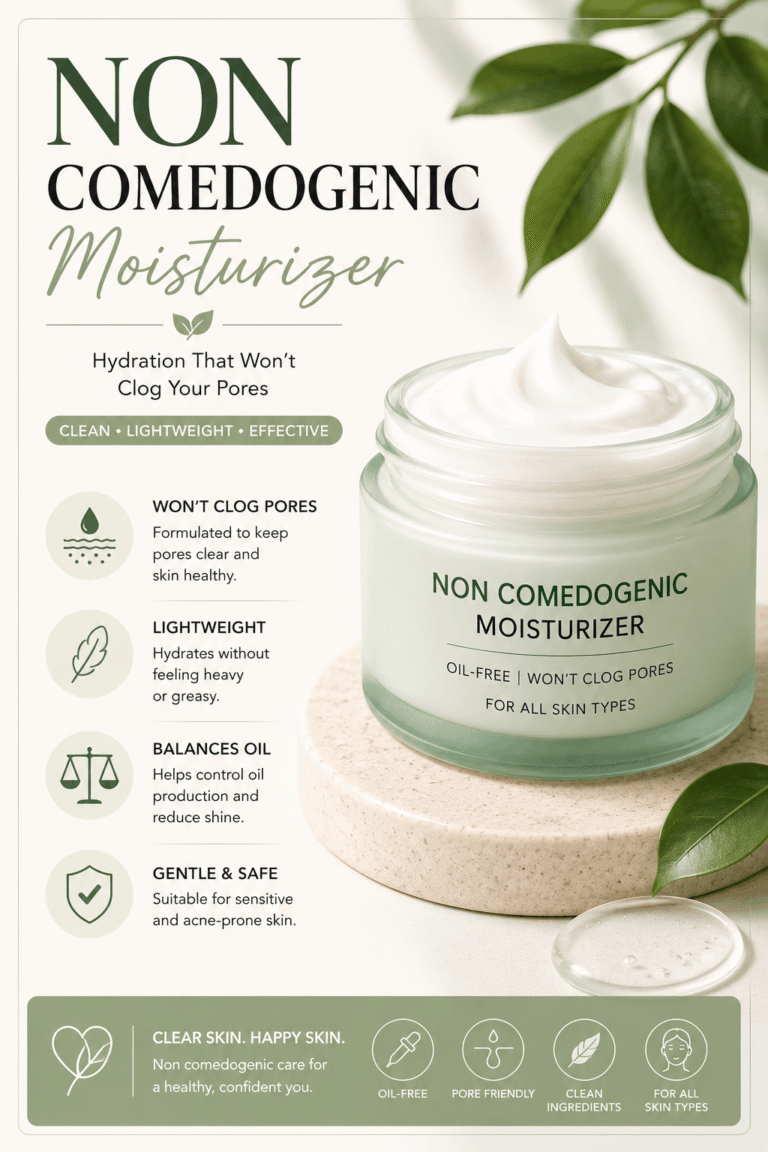
- Use a moisturizer that is non-comedogenic.
- Use broad spectrum sunscreens with SPF 30 and higher.
Evening
- Gently clean.
- Use the acne treatment prescribed by your doctor or a selected one.
- Apply moisturizer to skin.
Avoid using more than one strong active ingredient at once unless a dermatologist has recommended it.
Acne Treatment Mistakes
Acne can be more difficult to treat if you have certain habits.
Picking or popping pimples
Squeezing acne may increase inflammation, and cause scarring and dark marks.
Over-Washing
Acne is not cured by repeatedly washing the face or vigorously scrubbing. It can cause irritation and damage to the skin barrier.
Use Too Many Products
Addition of several acne products can lead to excessive drying and make it hard to identify which product helps.
The Treatment Cannot Be Stopped Too Early
Treatment of acne can take several weeks to show results. Consistency in treatment is key.
How long does it take to treat acne?
Acne does not disappear overnight. Early improvement can take several weeks depending on the treatment. Clearer skin may require up to two months.
A dermatologist can adjust treatment if acne persists despite treatment.
When should you see a dermatologist?
If:
- Acne can be painful or deep.
- Nodules or cysts are present.
- Acne leaves scars.
- Breakouts occur frequently.
- The over-the-counter remedies have failed to work.
- Acne affects your self-confidence or quality of living.
- You’re considering the use of isotretinoin.
- Acne can suddenly become severe.
Early treatment can reduce the chance of permanent scarring.
Can acne be prevented?
Genetics and hormones are important factors in acne. Several habits can reduce irritation and breakouts.
Avoid picking acne, use non-comedogenic skin care products, remove makeup before bed, keep hair products off of acne-prone skin and regularly apply sunscreen.
Maintenance treatment can help to prevent new acne breakouts after the acne has improved.
Conclusion:
Understanding the severity and type of acne is essential to a successful treatment. Mild acne can be treated with ingredients like benzoyl, adapalene or salicylic acid. Moderate or severe acne will require prescription medication.
A dermatologist should evaluate acne that is severe, painful, leaves scars, or persists. When prescribed and monitored correctly, oral antibiotics and hormonal medications such as isotretinoin, can be effective.
Patience, a gentle skincare routine, a consistent treatment plan, sunscreen and a consistency in the application of products are all equally important. Follow a treatment plan for a long time to see the results. Most people can improve their skin and achieve a healthier appearance with the right approach.
Frequently Asked Questions(FAQs)
1. What is the best acne cure?
There is not a single treatment that works for everyone. Treatments such as azelaic, retinoids and benzoyl peroxide may be recommended depending on the severity of acne.
2. How long does it take for acne treatment to work?
The majority of treatments take several weeks before they show any improvement. It can take several months to see more noticeable results.
3. Is benzoyl peroxide good for acne?
Yes. Yes.
4. Can adapalene treat acne?
Yes. Adapalene, a topical Retinoid, helps to prevent clogged pores and can help improve blackheads and whiteheads.
5. Should I pop pimples on my face?
Avoid popping or squeezing acne because it can cause inflammation and scarring.
6. When should I consult a dermatologist for a skin problem?
If acne is persistent, severe, painful or causing scarring, consult a dermatologist.
7. Can acne scars be treated?
Yes. Treatments may include microneedling or chemical peels. Lasers, subcisions, and other dermatological procedures are also available depending on the type of scar.
8. Does isotretinoin work for severe acne?
Yes. Yes.
9. Can acne return after treatment?
Yes. Acne can come back after treatment. Maintaining a good skincare regimen can reduce the chances of new breakouts.
10. Can skincare alone cure severe acne?
Although skin care can help manage acne, severe acne or acne that scars often require prescription medication. A dermatologist will be able to recommend the best approach.