Moisturizer for Oily Skin: Need to Know to Choose the Right One

Introduction
The search for the best moisturizer for oily skin can sometimes be frustrating. Some individuals with oily skin tend to skip using a moisturizer altogether, thinking that it will make their skin oilier or cause breakouts. In truth, oily skin needs a reliable source of hydration. If you don’t moisturize, your skin can look dry, feel irritated, or become uncomfortable, especially if you are using acne treatments. The best moisturizer for oily skin is a lightweight one, keeping excessive oil and breakouts at bay.
According to dermatologists, when shopping for a moisturizer suitable for oily and acneprone skin, make sure to look for ‘oilfree,’ ‘noncomedogenic’ and “won’t clog pores” ‘ labels.
Why Does Oily Skin Need Moisturizing?
Oily skin produces more oil than other skin types, but that does not mean that it does not need it.
A lack of skin hydration has little to do with the amount of oil on your face and everything to do with moisture levels. Your oily skin can feel dry, peeling irritated if deprived of moisture. That is why it is crucial to continue moisturizing, especially if you use acne treatments such as Benzoyl Peroxide, Salicylic acid, and Topical Retinoids. Your dermatologist may recommend a suitable moisturizer to protect your skin from these treatments’ harsh effects on the skin. .
How to Choose a Moisturizer for Oily Skin?
Goes On Without Clogging Pores
A noncomedogenic moisturizer is one that is less likely to clog pores. This is essential in managing oily and acne-prone skin.
Always look out for the following labels on the product:
• Noncomedogenic
• Oilfree
• Won’t clog pores
• Nonacnegenic
It is worth noting, however, that everyone’s skin reacts differently to different products.
Lightweight
The most recommended types of moisturizers for oily skin are gel and lightweight lotions.
Your best option for a moisturizer, according to the American Academy of Dermatology, is a gel moisturizer. This is especially true when you are dealing with extreme humidity or high temperatures.
Hydrating Ingredients
A good moisturizer for oily skin should have hydrating ingredients.
Some of the best ingredients include:
• Hyaluronic acid
• Glycerin
• Ceramides
• Aloe Vera
• Niacinamide
Hyaluronic acid and glycerin, for instance, are excellent humectants that help the skin retain moisture.
Best Moisturizers for Oily Skin
Gel Moisturizers
They are best suited for people who do not want to feel greasy after applying them. As mentioned above, Gel Moisturizers are best for hot and humid climates.
OilFree Moisturizers
These are best for people whose skin gets oily fast. They are a good option if you have oily and acne-prone skin.
Moisturizers for Acne Skin
If you have oily and acne-prone skin, always go for a noncomedogenic moisturizer.
How to Apply Moisturizer for Oily Skin
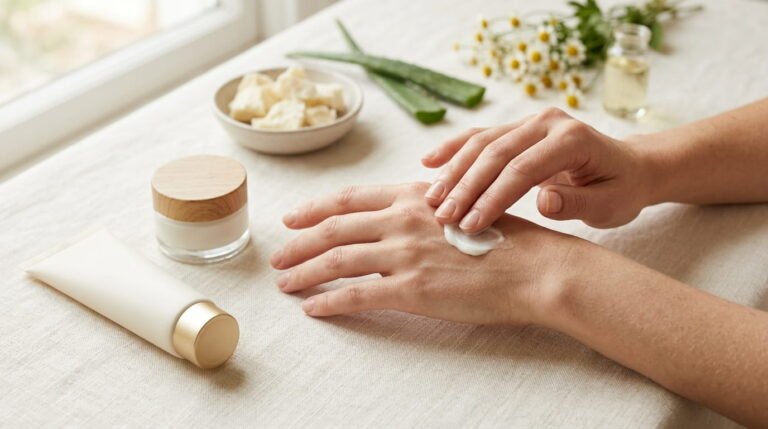
The way you apply your moisturizer is almost as important as the product itself. You should pat your cleansed skin dry with a towel instead of rubbing it. Apply the moisturizer while your skin is still damp to lock in moisture.
You can follow this basic morning and night skincare routine:
Morning Routine
• Cleanser
• Moisturizer
• Sunscreen
Evening Routine
• Cleanser
• Treatment
• Moisturizer
If you decide to use a moisturizer with sunscreen, make sure it says “broadspectrum SPF 30+” on the label and that it is potent enough to protect your skin from UV rays.
Moisturizer for Oily Skin With Acne
Oily skin and acne often go together, and the latter condition can make one think that they do not need a moisturizer. However, a dermatologist may ask you to use a moisturizer in addition to your acne treatments. Acne treatments such as Benzoyl Peroxide, Salicylic acid, and Topical Retinoids can make your skin dry and irritated. Maintaining the right level of hydration can help you get through the uncomfortable side effects of these treatments.
The most critical consideration when choosing a moisturizer for acne skin is to avoid using one that will exacerbate the condition.
The Most Common Mistakes When Moisturizing Oily Skin
Skipping Moisturizer Entirely
As discussed throughout this article, skipping a moisturizer entirely is never advisable, even for oily skin.
Picking Heavier Moisturizers
When it comes to oily skin, heavy moisturizers are not your friends. Go with something lighter, such as a gel-based or lotion moisturizer. Rich creams are best left for those with dry skin.
Applying Too Much Moisturizer
Applying too much moisturizer will rarely give your skin the extra boost it needs. It will only make the skin feel oilier. A thin layer of a good quality moisturizer should suffice.
Washing Too Often
Washing your face more than twice a day is not healthy for your skin. The AAD recommends washing your face no more than two times a day and once after working out.
Skipping Sunscreen
Moisturizer is not a substitute for sunscreen unless the former is labeled as such. Acneprone skin also needs protection from the sun’s rays, so look for a noncomedogenic sunscreen.
How to Choose the Right Moisturizer for Oily Skin
As you can see from the above guide, the best moisturizer for oily skin is one that will not leave your skin feeling oily and will not aggravate any other condition you may be experiencing. If your skin is extremely oily, a gel-based moisturizer is your best option. If your skin is both oily and acneprone, go with an oilfree and noncomedogenic moisturizer. If your oily skin is sensitive, choose a fragrance-free and gentle formula. Finally, if you are using acne treatments, you may want to invest in a moisturizer that will soothe your irritation and will not leave your skin feeling greasy.
Conclusion
The best moisturizer for oily skin is one that keeps the skin hydrated, healthy, and beautiful without weighing it down. A lightweight formula such as a gel moisturizer will usually work best for oily skin. The product should also be oilfree and noncomedogenic. In addition, it is best to choose a moisturizer that has hydrating ingredients such as hyaluronic acid, glycerin, and ceramides.
Most importantly, never forget that oily skin also needs moisture to stay healthy. A regular skincare routine consists of cleansing, moisturizing, and protecting the skin with a goodquality, noncomedogenic and oilfree moisturizer that also has an appropriate SPF protection level.
Frequently Asked Questions(FAQs)
1. Should I Use Moisturizer for My Oily Skin?
Yes, you should use a good quality and lightweight moisturizer to ensure that your skin stays hydrated.
2. What’s the Best Moisturizer for Oily Skin?
The best moisturizers for oily skin are those that are gellike and have a light consistency. The products should also be oilfree and noncomedogenic.
3. Can Moisturizer Cause Acne?
Yes, it can if you choose the wrong one. Always go for a noncomedogenic moisturizer to avoid clogging your pores.
4. Is Gel Moisturizer Suitable for Oily Skin?
Yes, they are perfect for people with oily skin.
5. Should I Moisturize My Oily Skin Everyday?
Yes, you should. It is important to maintain the skin’s moisture level to avoid its dryness and irritation, especially if you are using acne treatments.
6. Can Oily Skin Use Hyaluronic Acid?
Yes, it can. In fact, hyaluronic acid is an excellent source of moisture for oily skin.
7. Should I Moisturize My Oily Skin at Night?
Yes, you should. Moisturizing at night helps to keep the skin’s barrier intact, especially when using acne treatments.
8. What Moisturizer Should I Use If I Have Acne?
You should use a gentle and noncomedogenic moisturizer to help reduce the dryness and irritation that comes with most acne treatments such as Benzoyl Peroxide, Salicylic acid and Topical Retinoids.
9. Can I Use a Moisturizer with Sunscreen for My Oily Skin?
Yes, you can. However, you need to ensure that the product offers the necessary broadspectrum UV protection for your skin.
10. How do I Know If a Moisturizer Is Too Heavy?
If a certain product makes your skin feel too oily and uncomfortable, it may be because the moisturizer is too heavy. You may want to consider switching to a lighter moisturizer.