Pilates Socks: Benefits, Types, Features, and How to Choose
Introduction
Pilates is a popular form of exercise that focuses on core strength, flexibility, balance, posture, and controlled movement. Whether you practice Pilates at home, attend studio classes, or use a reformer machine, wearing the right clothing can make your workout more comfortable. One small but useful accessory is a pair of Pilates socks.
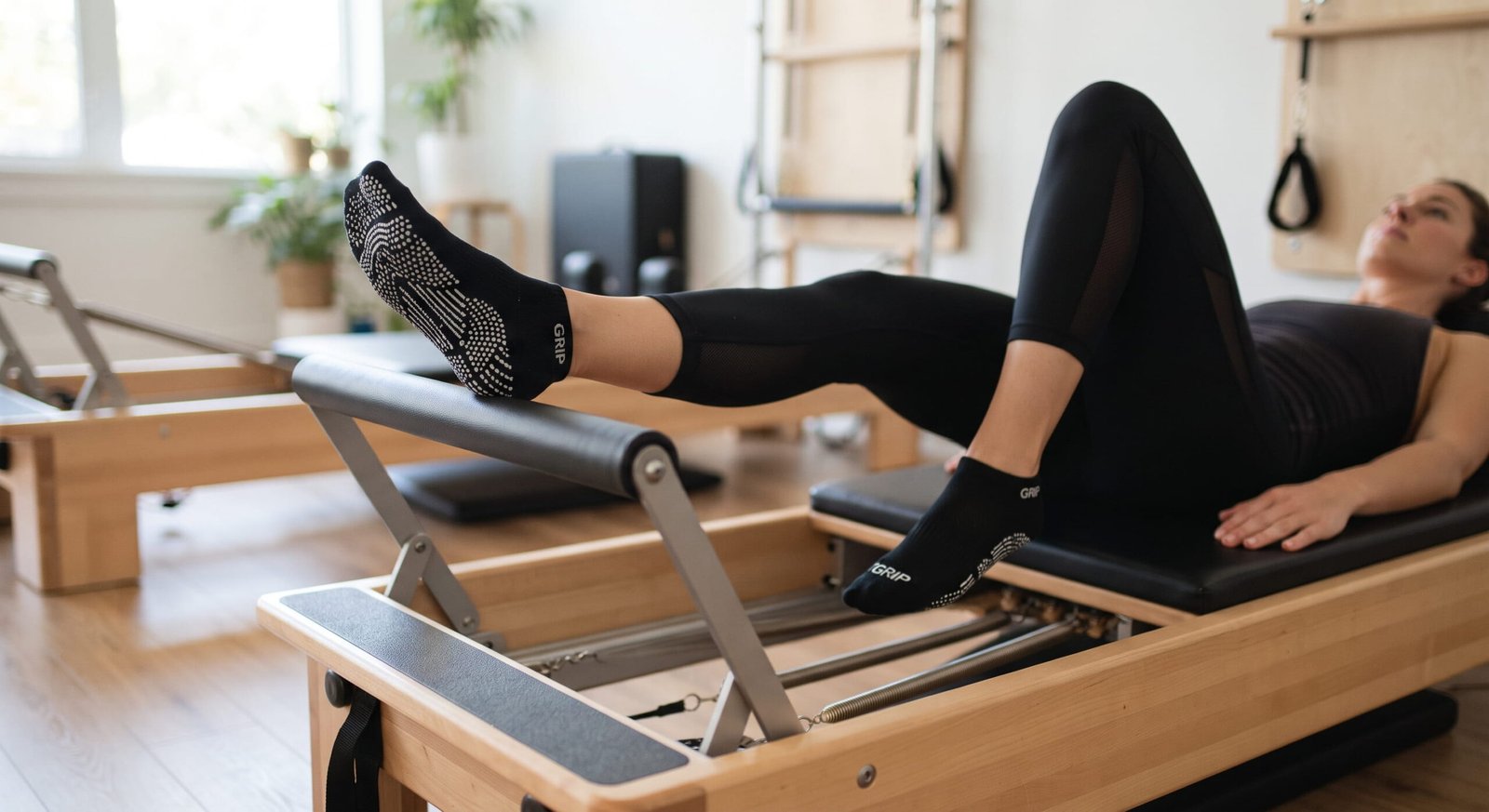
Unlike ordinary socks, these are designed with special grips on the soles to help reduce slipping on smooth floors and exercise equipment. They also provide a comfortable layer between your feet and the workout surface. Many styles feature breathable fabrics, flexible designs, and secure ankle bands to support natural movement.
Choosing the right pair depends on your workout style, personal comfort, fabric preferences, and the amount of grip you need. This guide explores their benefits, different types, important features, care instructions, and practical tips for finding a suitable pair.
What Are Pilates Socks?
Pilates socks are specially designed socks worn during Pilates sessions to provide traction, comfort, and a degree of stability. Most feature rubber, silicone, or textured patterns on the bottom that help create friction between the feet and the floor or equipment.
They are commonly used during mat Pilates, reformer Pilates, barre classes, and certain stretching exercises. Some people also wear them during yoga or other low-impact activities when additional traction is helpful.
Unlike traditional athletic socks, which usually have smooth soles, Pilates socks are designed with movement and grip in mind. They are available in different lengths, materials, colors, and styles, allowing users to choose an option that suits their needs.
Although they can improve traction, they do not guarantee that slipping will never occur. Their effectiveness depends on the grip pattern, material, fit, and condition of the workout surface.
Benefits of Wearing Pilates Socks
1. Better Traction on Smooth Surfaces
One of the main reasons people wear Pilates socks is to improve grip. Wooden floors, polished studio surfaces, and some exercise machines can feel slippery, particularly when the feet become sweaty.
The textured sole helps increase friction and may reduce unwanted foot movement during controlled exercises. This can be especially useful when changing positions or maintaining balance.
However, worn-out grips, damp floors, and poorly fitting socks can reduce their effectiveness.
2. Improved Comfort During Workouts
Pilates often involves holding positions, moving between exercises, and placing pressure on different parts of the feet. A soft pair of socks can help reduce discomfort caused by direct contact with firm surfaces.
Cushioned options may feel more comfortable for people who prefer extra softness under the heel or forefoot. Lightweight styles are also available for those who want a closer connection to the floor.
3. Support for Balance and Stability
Balance is an important part of Pilates. Many exercises require controlled movements, steady positioning, and coordination between the upper and lower body.
Grippy socks can help limit unnecessary sliding, allowing you to concentrate on your technique. Nevertheless, they do not replace proper instruction, muscle control, or good exercise form.
4. A More Hygienic Workout Experience
In shared studios, socks provide a physical barrier between your feet and commonly used surfaces. This may reduce direct skin contact with the floor and shared equipment.
They are not a substitute for cleaning studio equipment, and they do not eliminate the risk of every skin infection. Washing your socks after workouts and avoiding shared, unclean footwear are sensible hygiene practices.
5. Protection From Minor Surface Irritation
Repeated contact with exercise surfaces can sometimes cause mild irritation, particularly during exercises that involve sliding or repositioning the feet.
A comfortable pair of socks may reduce friction against the skin. However, socks that are too tight, rough, or damp can cause discomfort instead.
6. Freedom to Move Naturally
Well-designed socks should fit closely without squeezing the toes or restricting ankle movement. This allows you to point, flex, and reposition your feet during a variety of Pilates exercises.
Some designs feature open toes or separate toe compartments for people who prefer more natural toe movement.
7. Convenient for Different Workouts
Although designed primarily for Pilates, many grip socks can also be useful for barre, stretching, balance exercises, and certain home workouts.
Their suitability depends on the activity. For example, running, outdoor walking, and heavy weight training generally require footwear designed specifically for those purposes.
Different Types of Pilates Socks
Several designs are available, and each offers a slightly different experience.
1. Full-Toe Pilates Socks
Full-toe styles cover the entire foot and provide warmth along with a layer of fabric between the skin and the workout surface.
They are a practical choice for people who prefer traditional sock coverage or exercise in a cool studio.
Best for: General Pilates sessions, home workouts, and people who prefer covered toes.
2. Open-Toe Pilates Socks
Open-toe designs leave the toes exposed while covering most of the remaining foot. They combine partial coverage with direct toe contact.
Some people prefer them because they allow the toes to move freely and help reduce the feeling of excessive warmth.
Best for: Practitioners who prefer more toe freedom.
3. Toe-Separated Grip Socks
These socks have individual compartments for each toe, similar to gloves for the feet. The design allows the toes to spread and move separately.
Some users find them comfortable for balance-focused exercises, although individual preferences vary.
Best for: People who like independent toe movement.
4. Ankle-Length Pilates Socks
Ankle-length socks cover the foot and extend just above the ankle. They offer a simple, lightweight design without much additional coverage.
They are easy to pair with workout clothing and suit most indoor exercise environments.
Best for: Everyday studio sessions and general fitness routines.
5. Crew-Length Pilates Socks
Crew-length designs extend farther up the lower leg. They provide additional coverage and may feel more comfortable in cooler environments.
Their longer shape also offers a different style for people who prefer visible workout accessories.
Best for: People who like extra coverage or a higher sock design.
6. Ballet-Inspired Grip Socks
These styles often feature a strap, crossed bands, or an elastic design around the top of the foot. They are inspired by ballet footwear and are commonly worn for barre classes.
The straps can help the socks feel secure, provided they fit properly and do not create pressure.
Best for: Barre, Pilates studios, and people who prefer a ballet-inspired look.
Important Features to Look For
Before purchasing a pair, consider the following features.
Grip Quality
Examine the sole pattern carefully. Silicone dots, rubber shapes, and textured grip patterns are common options.
The grips should be distributed across useful contact areas rather than concentrated in a way that leaves the heel or forefoot excessively slippery. Check whether the manufacturer provides care instructions to help preserve the grip.
Breathable Fabric
Feet can become warm during exercise, so breathable materials are worth considering.
Common fabric choices include:
- Cotton blends: Soft and comfortable for everyday use.
- Polyester blends: Often lightweight and quick-drying.
- Nylon blends: Can add durability and help improve fit.
- Elastane or spandex: Adds stretch and helps the sock stay in place.
A blend of materials may provide a useful balance of softness, stretch, and moisture management.
Comfortable Fit
A good pair should feel secure without being excessively tight. Loose socks may bunch under the foot, while tight socks can create pressure around the toes and ankles.
Check the size chart, particularly if your feet fall between standard sizes.
Moisture Management
Moisture-wicking materials help move sweat away from the skin. This can make a workout more comfortable and reduce the damp feeling that sometimes develops during longer sessions.
No fabric prevents sweating completely, so washing and drying your socks properly remains important.
Durability
Frequent Pilates practice can wear down fabric and grip patterns. Look for reinforced heels and toes, well-constructed seams, and materials suited to regular washing.
Replace socks when the grip becomes noticeably worn or the fabric no longer holds its shape.
Style and Design
Pilates socks are available in neutral shades, bright colors, pastels, patterns, and minimalist designs.
Appearance is a personal preference, but style should not take priority over grip, fit, and comfort.
How to Choose the Best Pilates Socks for Your Needs
The best pair is the one that suits your exercise routine and feels comfortable throughout your session.
For beginners: Choose a simple ankle-length pair with a secure fit and a well-distributed grip pattern. You do not need an expensive design to get started.
For reformer Pilates: Look for reliable traction, a close fit, and a sole that works well with the equipment used in your studio. Follow your instructor’s footwear recommendations.
For hot environments: Lightweight, breathable, and moisture-managing materials may feel more comfortable.
For sensitive feet: Consider soft fabrics and smooth seams. Avoid designs that create rubbing or pressure.
For regular studio users: Durability and ease of washing become more important when socks are used several times a week.
For barre classes: Ballet-inspired or ankle-length styles may suit your preferences, provided they remain secure during movement.
If possible, try the socks on before purchasing. Walk around carefully on a clean, dry surface and check whether they slide, twist, or bunch.
Pilates Socks vs. Regular Socks
Although both types cover the feet, their construction and intended uses are different.
| Feature | Pilates Socks | Regular Socks |
|---|---|---|
| Sole | Usually includes grip material | Often smooth |
| Traction | Designed to improve grip | Usually offers limited traction |
| Main purpose | Indoor exercise and stability | Everyday comfort |
| Fabric | Varies by workout design | Varies by everyday use |
| Suitable for Pilates | Often a practical choice | May slip on smooth surfaces |
Regular socks can sometimes be worn during home exercise, but their smooth soles may increase the likelihood of slipping. Grip socks are generally a more suitable option when footwear is not required and the studio permits them.
How to Wear Pilates Socks Correctly
Wearing them properly helps improve comfort and reduce avoidable problems.
- Choose the right size. Make sure the socks fit closely without squeezing your toes.
- Position the sole correctly. Check that the grip pattern lies flat against the underside of your foot.
- Inspect the grips. Look for missing, cracked, or worn sections before exercising.
- Check the surface. Keep floors and equipment dry and follow studio safety instructions.
- Move carefully at first. Test traction with gentle movements before attempting challenging positions.
- Follow your instructor’s advice. Some studios have specific rules about footwear on reformer machines.
Remember that grip socks are an accessory, not protective equipment for every type of exercise.
How to Wash and Maintain Pilates Socks
Proper care can help preserve the fabric and grip material.
Wash After Use
Wash socks after each workout, especially if they become sweaty. Follow the manufacturer’s instructions and use a suitable detergent.
Avoid Excessive Heat
High temperatures may damage elastic fibers or grip materials. Unless the care label says otherwise, air-drying is often a sensible option.
Separate Them From Rough Items
Washing socks with rough garments, zippers, or abrasive items may increase fabric wear. A laundry bag can help protect delicate designs.
Inspect the Grip Pattern
Before each session, check the sole for peeling, worn areas, or reduced traction. Replace the socks if they no longer provide reliable grip.
Store Them When Fully Dry
Make sure the socks are completely dry before storing them. This helps prevent unpleasant odors and reduces the risk of moisture-related problems.
Common Mistakes to Avoid
A few simple mistakes can reduce the comfort and usefulness of grip socks.
- Choosing the wrong size: Poorly fitting socks may bunch up or move around during exercise.
- Ignoring worn grips: Damaged grip material may provide less traction than expected.
- Wearing damp socks: Moisture can make the workout less comfortable and encourage odor.
- Using them for every activity: Grip socks are not a replacement for running shoes or other activity-specific footwear.
- Assuming they prevent all slips: Traction depends on the sock, surface, and movement.
- Ignoring discomfort: Remove or replace socks that cause rubbing, numbness, or excessive pressure.
Avoid using socks as a substitute for suitable footwear when a workout involves heavy loads, high-impact movements, or activities requiring additional foot protection.
Are Pilates Socks Worth Buying?
For people who practice Pilates regularly, grip socks can be a useful and relatively simple addition to their workout clothing. They offer traction on many indoor surfaces, provide a layer of fabric against the skin, and come in designs suited to different preferences.
However, the value depends on how often you exercise, the rules of your studio, and whether your current footwear meets your needs. Some studios require grip socks for hygiene or equipment policies, while others may permit bare feet for certain exercises.
You do not necessarily need several expensive pairs. Starting with one comfortable, well-fitting pair is a reasonable approach. If you attend classes frequently, having a second pair available can be convenient while the first is being washed.
Conclusion
Pilates socks are designed to improve traction, comfort, and confidence during indoor exercise. With features such as textured soles, breathable materials, flexible construction, and different toe and ankle designs, they offer options for beginners and experienced practitioners alike.
When choosing a pair, focus on grip quality, fit, fabric, durability, and ease of care rather than appearance alone. Keep the socks clean, inspect them regularly, and replace them when their traction deteriorates.
Most importantly, remember that suitable socks support your workout but do not guarantee stability or prevent every injury. Combine them with controlled movements, appropriate instruction, and a safe exercise environment for a more comfortable Pilates experience.
Frequently Asked Questions (FAQs)
1. What are Pilates socks used for?
Pilates socks are designed to improve traction on indoor floors and exercise equipment. They can also provide comfort and a physical barrier between your feet and shared workout surfaces.
2. Are Pilates socks better than regular socks?
For many Pilates sessions, yes. Their grip-covered soles are designed to reduce slipping, whereas ordinary socks often have smooth bottoms that may slide on polished surfaces.
3. Can beginners wear Pilates socks?
Yes. Beginners can use them during mat or reformer classes when permitted by their instructor or studio. A simple, comfortable pair with reliable grips is usually sufficient.
4. Can you wear Pilates socks for yoga?
Some people wear them for yoga, particularly when they prefer extra traction or foot coverage. However, preferences vary, and some practitioners prefer bare feet for direct contact with the mat.
5. Do Pilates socks prevent slipping completely?
No. They may improve traction, but they cannot eliminate every slip. Worn grips, damp surfaces, poor fit, and sudden movements can still create slipping risks.
6. How tight should Pilates socks be?
They should fit securely without squeezing your toes, restricting circulation, or creating pressure around your ankles. Avoid socks that twist, bunch up, or slide inside the foot area.
7. How often should Pilates socks be washed?
Wash them after each workout, particularly if they become sweaty. Always follow the manufacturer’s care instructions to help maintain the fabric and grip material.
8. Are open-toe or full-toe Pilates socks better?
Neither is universally better. Open-toe designs allow more direct toe contact, while full-toe options provide additional coverage. Choose the style that feels comfortable and suits your workout.
9. How long do Pilates socks last?
Their lifespan depends on material quality, frequency of use, washing methods, and workout surfaces. Replace them when the fabric stretches excessively, seams deteriorate, or the grips become worn.
10. Can Pilates socks be worn without shoes?
Yes. They are generally intended to be worn without shoes during suitable indoor activities. However, they should not replace protective footwear when an activity requires it, and you should follow the safety rules of your studio.