Body Lotion: Benefits, Types, Ingredients, and How to Choose
Introduction
Healthy, soft, and smooth skin requires regular care, especially when the weather changes or the skin becomes dry. One of the easiest ways to maintain skin hydration is by using a body lotion. This everyday skincare product helps replenish moisture, improve skin texture, and keep the skin feeling comfortable throughout the day.
Body lotions are available in different formulas to suit various skin types, including dry, oily, sensitive, and normal skin. Some products focus on deep hydration, while others help improve roughness, support the skin barrier, or provide a pleasant fragrance.
Choosing the right formula can make a noticeable difference in your skincare routine. In this guide, we will explore the benefits of body lotion, its common ingredients, different types, and the best ways to apply it for healthy-looking skin.
What Is Body Lotion?
Body lotion is a lightweight skincare product designed to moisturize the skin and help reduce moisture loss. It usually contains water, oils, emollients, and humectants that work together to keep the skin soft and hydrated.
Compared with body creams and ointments, lotions generally have a thinner consistency and spread easily over larger areas of the body. This makes them a convenient option for daily use, particularly during warm weather or for people who prefer a non-heavy texture.
Depending on the formulation, a lotion may provide basic hydration, soothe dry areas, improve skin smoothness, or offer additional benefits such as sun protection.
Benefits of Using Body Lotion
Regular moisturizing helps maintain comfortable skin and supports its natural protective barrier. Here are some important benefits.
1. Helps Keep Skin Hydrated
The primary purpose of a moisturizer is to increase or maintain the skin’s moisture content. Ingredients such as glycerin and hyaluronic acid attract water, helping the skin feel softer and less tight.
Applying lotion consistently can be especially helpful after bathing, when water and cleansing products may leave the skin feeling dry.
2. Softens Rough Skin
Areas such as the elbows, knees, hands, and lower legs often become rough because of friction, frequent washing, and moisture loss. A suitable formula can soften these areas and improve their overall texture.
For particularly rough skin, a lotion containing urea or lactic acid may help loosen accumulated dead skin cells while providing hydration.
3. Supports the Skin Barrier
The skin barrier helps protect the body from environmental irritants and limits excessive water loss. Moisturizing ingredients such as ceramides, fatty acids, and certain plant-derived oils can help support this protective layer.
A healthy skin barrier is important for maintaining smooth, comfortable skin and reducing the likelihood of dryness-related irritation.
4. Reduces the Appearance of Dryness
Dry skin may appear flaky, dull, or uneven. Regular application can improve its appearance by smoothing the surface and reducing visible scaling.
Although a moisturizer can improve the appearance of dry skin, it does not permanently change natural skin color or remove every type of discoloration.
5. Improves Skin Comfort
Dryness may cause itching, tightness, or mild discomfort. A fragrance-free moisturizer can help relieve these symptoms when they are caused by uncomplicated dry skin.
Persistent itching, redness, or inflammation may indicate an underlying condition that requires medical assessment rather than moisturizer alone.
6. Makes Skin Look Smoother
Well-hydrated skin often appears more supple and feels smoother to the touch. Some lotions also contain ingredients that temporarily improve the appearance of uneven texture.
Consistent use is generally more helpful than applying a large amount only when the skin becomes extremely dry.
7. Helps Maintain Moisture in Different Seasons
Cold weather, indoor heating, air conditioning, and frequent exposure to water can contribute to dryness. Adjusting your moisturizer according to the season can help maintain comfortable skin throughout the year.
A lightweight formula may be sufficient in humid weather, while a richer product may be more suitable during colder months.
Different Types of Body Lotion
Not all lotions are designed for the same purpose. Understanding the main categories can help you choose a formula that matches your skin’s needs.
1. Hydrating Body Lotion
Hydrating lotions are designed for everyday moisture maintenance. They often contain glycerin, hyaluronic acid, or other water-binding ingredients.
They are suitable for people who experience mild dryness or want to maintain soft skin without using a heavy product.
2. Lotion for Dry Skin
These products usually contain a combination of humectants and emollients. Some formulas also include occlusive ingredients that reduce water loss.
Look for ingredients such as glycerin, petrolatum, dimethicone, shea butter, or ceramides when dryness is a major concern.
3. Lightweight Body Lotion
Lightweight formulas absorb relatively quickly and leave less of a heavy feeling on the skin. They may be particularly comfortable in warm and humid climates.
People with oily skin may prefer a lightweight, non-comedogenic formula, especially if they experience clogged pores or body acne.
4. Fragrance-Free Body Lotion
Fragrance-free products are formulated without added fragrance ingredients. They can be a good choice for people with sensitive skin, eczema-prone skin, or a history of irritation from scented products.
Keep in mind that fragrance-free does not automatically mean allergy-free. Checking the ingredient list is still important.
5. Brightening Body Lotion
Some products are marketed to improve uneven-looking skin tone. Depending on their ingredients, they may help improve the appearance of certain forms of discoloration.
Ingredients such as niacinamide can support the skin barrier and may help with uneven pigmentation. Results vary, and persistent dark patches should be assessed by a dermatologist. Avoid products containing undisclosed bleaching agents or mercury.
6. Exfoliating Body Lotion
Exfoliating lotions contain ingredients such as lactic acid, glycolic acid, or urea. These may help soften rough skin and improve texture.
They can be useful for rough elbows, knees, or bumpy skin, but excessive use may cause irritation. Start with a lower-strength product and follow its directions.
7. Sunscreen Body Lotion
Some lotions contain sunscreen ingredients that help protect exposed skin from ultraviolet radiation. For daytime outdoor use, choose broad-spectrum sunscreen with SPF 30 or higher and apply enough product to exposed areas.
Ordinary moisturizing lotion without sunscreen does not provide reliable UV protection.
Important Ingredients to Look For
Reading the ingredient list can help you select a product that matches your skin’s needs.
Glycerin
Glycerin is a humectant that attracts water to the outer layer of the skin. It is widely used in moisturizers because it helps improve hydration and softness.
Hyaluronic Acid
Hyaluronic acid binds water and helps the skin maintain a hydrated appearance. It is commonly included in lightweight formulas.
Ceramides
Ceramides are lipids naturally present in the skin barrier. Moisturizers containing these ingredients can help support the barrier and reduce moisture loss.
Shea Butter
Shea butter is an emollient that helps soften the skin. It is frequently used in products formulated for dryness and roughness.
Petrolatum
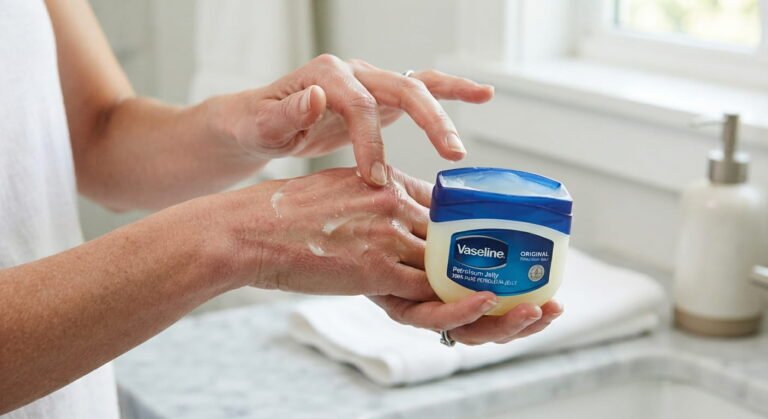
Petrolatum creates a protective layer that helps reduce water loss. It can be particularly useful for very dry areas, although some people may prefer a lighter texture for full-body application.
Urea
Urea attracts moisture and, at suitable concentrations, helps soften thickened or rough skin. Higher concentrations may have a stronger exfoliating effect and can sting irritated or cracked skin.
Niacinamide
Niacinamide, a form of vitamin B3, can support the skin barrier and may help improve the appearance of uneven skin tone. It is commonly used in products for everyday skincare.
Dimethicone
Dimethicone is a skin-conditioning ingredient that helps reduce moisture loss and creates a smooth feel without necessarily leaving the skin greasy.
How to Choose the Best Body Lotion for Your Skin Type
The best product is one that meets your skin’s needs without causing irritation.
For Dry Skin
Choose a richer formula containing glycerin, ceramides, shea butter, or petrolatum. Apply it regularly, particularly after bathing. If your skin is extremely dry, a cream or ointment may provide more lasting protection than a lotion.
For Oily Skin
Select a lightweight lotion with a non-greasy texture. Look for products labeled non-comedogenic if clogged pores are a concern. You do not need to avoid all moisturizing ingredients simply because your skin is oily.
For Sensitive Skin
Choose a fragrance-free product with a relatively simple ingredient list. Avoid products that repeatedly cause burning, itching, or redness.
If you have eczema or another diagnosed skin condition, follow the skincare recommendations provided by your healthcare professional.
For Normal Skin
A basic moisturizing lotion containing glycerin and emollients may be enough to maintain softness. Adjust the texture according to the weather and your personal preference.
For Rough or Bumpy Skin
Consider a lotion containing urea or a mild exfoliating acid. Introduce it gradually and avoid applying exfoliating products to broken, freshly shaved, or inflamed skin.
How to Apply Body Lotion Correctly
The way you apply a moisturizer can affect how comfortable and effective your routine feels.
Step 1: Cleanse your skin gently.
Use a mild cleanser and avoid excessively hot water, which can contribute to dryness.
Step 2: Pat your skin dry.
After bathing, gently pat your skin with a towel instead of rubbing it vigorously.
Step 3: Apply lotion while the skin is slightly damp.
This helps trap some of the water on the skin’s surface and supports hydration.
Step 4: Spread it evenly.
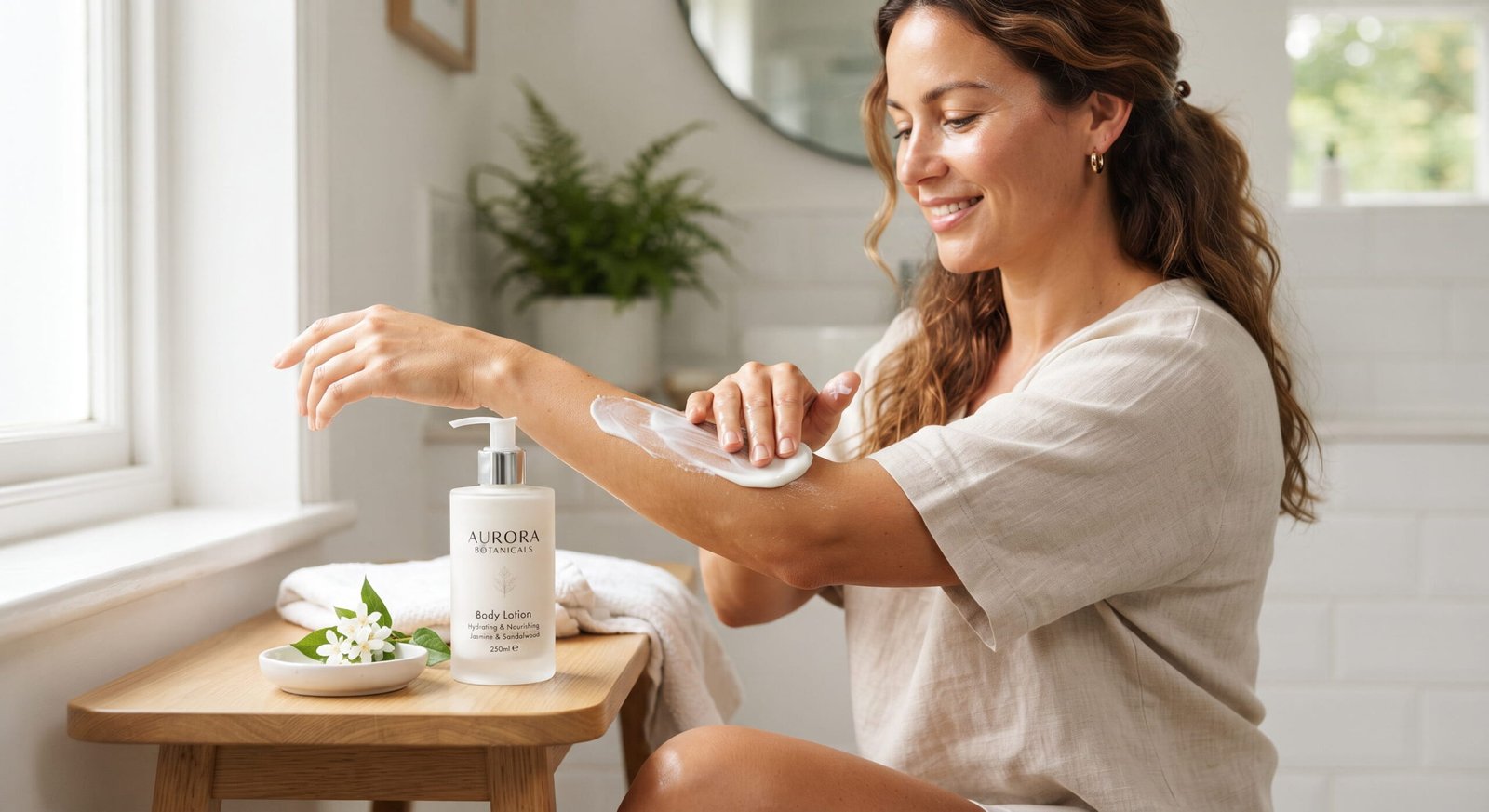
Apply a suitable amount to the arms, legs, torso, and other dry areas. Pay extra attention to elbows and knees.
Step 5: Reapply when necessary.
Use moisturizer at least once daily, or more often if your skin feels dry. People with very dry skin may benefit from applying it after each wash.
Step 6: Use sunscreen during the day.
Apply a separate broad-spectrum sunscreen to exposed skin unless your lotion already provides suitable sun protection and you apply it in an adequate amount.
Common Body Lotion Mistakes to Avoid
Even a good moisturizer may not work as expected if it is used incorrectly.
- Applying only when skin feels very dry: Regular use can help prevent moisture loss before dryness becomes uncomfortable.
- Choosing fragrance over formulation: A pleasant scent does not necessarily indicate better moisturizing performance.
- Using too much exfoliating lotion: Frequent use of acids can cause irritation, particularly on sensitive skin.
- Ignoring ingredient sensitivities: Stop using a product if it causes a persistent rash or significant irritation.
- Expecting instant changes in pigmentation: Moisturizers improve hydration, but they are not a guaranteed treatment for dark spots.
- Skipping sunscreen: Moisturizing alone does not prevent sun damage.
- Using body lotion on every facial skin type: Some body products may be too heavy or irritating for facial skin. Choose a product suited to the area being treated.
Body Lotion vs. Body Cream vs. Body Butter
These products differ mainly in texture and formulation.
| Feature | Body Lotion | Body Cream | Body Butter |
| Texture | Lightweight | Medium to rich | Thick and rich |
| Spreadability | Usually easy | Moderate | Often requires more rubbing |
| Best suited for | Everyday hydration | Normal to dry skin | Very dry areas |
| Typical feel | Light | More nourishing | Rich and protective |
| Common use | Full-body daily care | Dry skin maintenance | Intensive moisture care |
These are general differences rather than strict rules. The actual performance depends on the ingredients and formulation of each product.
How Often Should You Use Body Lotion?
Most people can use body lotion once or twice a day, depending on their skin’s needs. Applying it after bathing is a convenient way to maintain moisture.
If your skin is dry, you may need to reapply it after handwashing, swimming, or other activities that remove natural oils. People with eczema or significant dryness may require more frequent application and a richer moisturizer.
There is no single schedule that works for everyone. Adjust the frequency according to your skin’s comfort and the product’s instructions.
Can Body Lotion Help With Dark Spots?
A moisturizer can make the skin look smoother and more even by improving hydration, but a basic lotion will not necessarily remove dark spots.
Some formulas contain ingredients such as niacinamide or gentle exfoliating acids that may help improve the appearance of certain types of uneven pigmentation over time. However, the cause of discoloration matters.
Dark patches can result from sun exposure, friction, inflammation, hormonal changes, or other skin conditions. Broad-spectrum sunscreen and appropriate treatment are important when pigmentation is a concern.
Avoid unregulated skin-lightening products, particularly those containing undisclosed steroids or mercury. Consult a dermatologist if discoloration is new, changing, persistent, or unexplained.
Are There Any Side Effects of Body Lotion?
Most well-formulated moisturizers are suitable for regular use, but some products can cause unwanted reactions.
Possible problems include:
- Redness or itching from fragrance or preservatives.
- Burning when applied to cracked or inflamed skin.
- Clogged pores from products that do not suit acne-prone areas.
- Irritation from exfoliating ingredients used too frequently.
- Allergic contact dermatitis caused by a particular ingredient.
Test a new product on a small area of skin before applying it widely, especially if you have sensitive skin. Stop using it if a persistent reaction develops.
Seek medical advice for severe swelling, blistering, widespread rash, or symptoms that do not improve after stopping the suspected product.
Conclusion
Body lotion is a practical part of an everyday skincare routine. It helps maintain hydration, soften rough areas, reduce the appearance of dryness, and support the skin’s protective barrier. The right formula depends on your skin type, environment, and specific concerns.
For everyday use, look for beneficial moisturizing ingredients such as glycerin and ceramides. If your skin is very dry, consider a richer formula, while fragrance-free products may be preferable for sensitive skin. Apply moisturizer consistently, particularly after bathing, and use sunscreen to protect exposed skin from UV damage.
With a suitable product and regular application, you can help your skin remain soft, smooth, and comfortable throughout the year.
Frequently Asked Questions (FAQs)
1. What is body lotion used for?
Body lotion is used to moisturize the skin, reduce dryness, soften rough areas, and help maintain the skin’s natural protective barrier.
2. Can I use body lotion every day?
Yes. Most people can use it daily. Applying it after bathing helps retain moisture and keeps the skin feeling comfortable.
3. What is the best body lotion for dry skin?
A lotion containing glycerin, ceramides, shea butter, or other moisturizing ingredients may help. Very dry skin may respond better to a thicker cream or ointment.
4. Is body lotion suitable for oily skin?
Yes. People with oily skin can use a lightweight, non-greasy moisturizer. A non-comedogenic formula may be helpful if clogged pores are a concern.
5. Should I apply lotion before or after showering?
Apply it after showering, when your skin is slightly damp. Gently pat your skin dry first, then spread the lotion evenly.
6. Can body lotion make my skin fairer?
Ordinary body lotion does not change your natural skin color. Some specialized products may help improve the appearance of uneven pigmentation, but results depend on the ingredients and the cause of discoloration.
7. Can I apply body lotion to my face?
Some body lotions may be suitable for the face, but others contain heavy oils, fragrance, or ingredients that may irritate facial skin. A facial moisturizer designed for your skin type is usually a better choice.
8. How many times a day should I apply body lotion?
Once or twice daily is a reasonable starting point. You may need to apply it more frequently if your skin is particularly dry or after washing.
9. What ingredients should I look for in a body lotion?
Useful ingredients include glycerin, ceramides, hyaluronic acid, dimethicone, and shea butter. Urea can be helpful for rough or very dry skin.
10. Does body lotion expire?
Yes. Expired products may become less effective or change in texture, smell, or stability. Check the expiration date and the period-after-opening symbol, and discard products that show unusual changes.