Vaseline: Benefits, Uses, Ingredients, and Complete Guide
Introduction
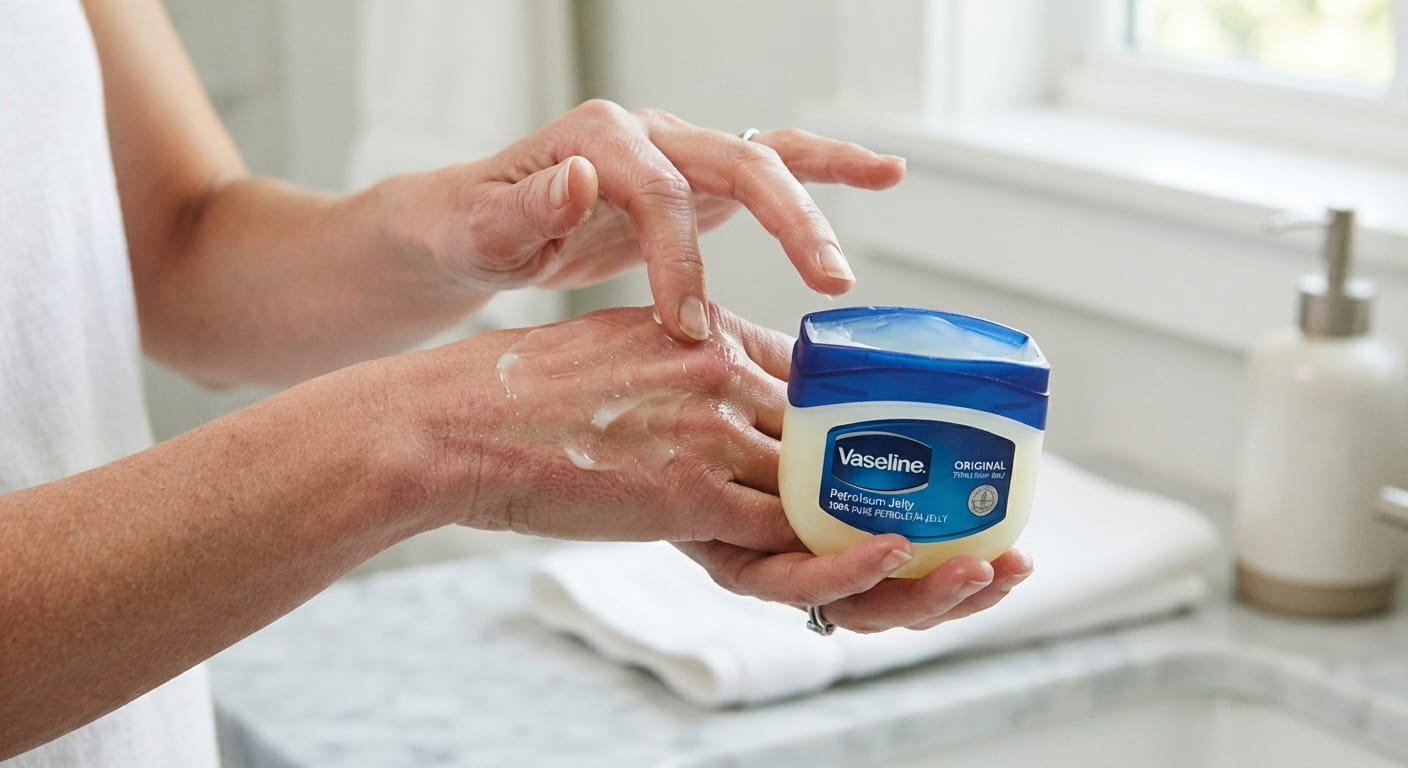
Vaseline is one of the most recognized skincare products in the world. For more than a century, people have used this simple yet effective product to protect, moisturize, and repair dry skin. Many skincare products come and go with changing trends, but Vaseline has remained a trusted choice because of its ability to lock in moisture and create a protective barrier on the skin.
The main ingredient in Vaseline is petroleum jelly, a thick, smooth substance that helps prevent water loss from the skin. It does not add water to the skin, but it helps the skin retain its natural moisture. This makes it especially useful for people dealing with dryness, rough patches, cracked lips, and damaged skin barriers.
Today, Vaseline is available in different forms, including classic petroleum jelly, lip care products, body lotions, healing creams, and specialized skincare products. While many people know Vaseline as a simple moisturizer, its uses go beyond basic hydration.
This complete guide explains what Vaseline is, its ingredients, benefits, different uses, how to apply it, and things to consider before adding it to your skincare routine.
What Is Vaseline?
Vaseline is a brand name for petroleum jelly, a semi-solid mixture created from petroleum. It was first discovered in the 19th century and later became popular as a skin-protecting product.
Petroleum jelly works mainly as an occlusive moisturizer. This means it forms a thin protective layer on the skin that reduces moisture loss. When your skin loses too much water, it can become dry, flaky, irritated, and uncomfortable. Vaseline helps prevent this by keeping moisture trapped inside the skin.
Unlike many modern skincare products that contain multiple active ingredients, classic Vaseline has a very simple formula. This simplicity is one reason many dermatologists and skincare users appreciate it.
Because it is generally gentle and fragrance-free in its original form, Vaseline is suitable for many skin types, including sensitive skin.
What Are the Ingredients in Vaseline?
The primary ingredient in classic Vaseline Petroleum Jelly is 100% pure petroleum jelly.
Petroleum jelly is made by carefully refining petroleum-based materials to remove impurities. The final product is a smooth substance that can be safely applied to the skin.
The main characteristics of petroleum jelly include:
- Creates a protective barrier on the skin
- Helps reduce moisture loss
- Softens dry and rough areas
- Protects irritated skin from external factors
Some Vaseline products contain additional ingredients depending on their purpose. For example:
- Vaseline Lip Therapy may contain flavors, oils, or additional moisturizing ingredients.
- Vaseline lotions may include humectants such as glycerin, which attract moisture to the skin.
- Specialized creams may contain ingredients designed for specific skincare needs.
The classic petroleum jelly formula remains popular because it is simple and effective.
Benefits of Using Vaseline
1. Helps Treat Dry Skin
One of the most common reasons people use Vaseline is to manage dry skin. Dryness occurs when the skin loses moisture, causing roughness, tightness, and sometimes irritation.
Applying Vaseline creates a protective layer that helps prevent further moisture loss. This allows the skin’s natural repair process to work more effectively.
For best results, many people apply Vaseline after bathing when the skin is slightly damp. This helps lock in existing moisture.
2. Repairs Cracked and Rough Skin
Areas such as heels, elbows, knees, and hands often become rough because they experience frequent pressure, friction, or exposure to dry conditions.
Vaseline can help soften these areas by creating a moisturizing barrier. Regular use can improve the feeling and appearance of rough skin.
For extremely dry feet, some people apply Vaseline before sleeping and wear cotton socks overnight to help improve softness.
3. Protects the Skin Barrier
The skin barrier is the outermost layer of the skin that protects against environmental damage and prevents water loss.
When this barrier becomes damaged due to weather, harsh skincare products, or over-washing, the skin may become dry and sensitive.
Vaseline supports the skin barrier by creating a protective coating. This helps reduce exposure to irritating external factors.
4. Moisturizes Dry Lips
Dry and cracked lips are a common problem, especially during cold weather or dry climates.
Vaseline Lip Therapy and petroleum jelly can help protect lips by reducing moisture loss. It creates a smooth layer over the lips, helping them feel softer and more comfortable.
Many people use Vaseline before bedtime to keep their lips moisturized overnight.
5. Helps Protect Minor Skin Irritation
Vaseline can provide protection for minor skin irritation caused by dryness or friction.
For example, it may help reduce discomfort from:
- Dry patches
- Chafing caused by rubbing
- Skin irritation from environmental exposure
However, it should not be used as a treatment for serious wounds, infections, or medical skin conditions without professional advice.
Is Vaseline Good for Face?
Many people wonder whether Vaseline is safe to use on the face. The answer depends on your skin type and how you use it.
For people with dry or damaged skin barriers, Vaseline can be helpful because it prevents moisture loss and protects the skin.
Some people use a technique called “slugging,” where a thin layer of petroleum jelly is applied as the final step of a nighttime skincare routine. This helps seal in moisture from other skincare products.
However, people with oily or acne-prone skin should use caution. Vaseline itself is not considered a typical acne-causing ingredient, but applying heavy layers may feel uncomfortable for some people.
Before using Vaseline on your face regularly, consider your skin type and how your skin reacts.
Different Ways to Use Vaseline
Vaseline is a versatile product with many practical uses.
Moisturizing Hands
Frequent hand washing can remove natural oils from the skin. Applying Vaseline can help restore softness and protect dry hands.
Softening Cuticles
Dry cuticles can become rough and cracked. A small amount of Vaseline around nails can help keep them moisturized.
Protecting Skin During Cold Weather
Cold temperatures and wind can dry out the skin. Vaseline creates a barrier that helps protect exposed areas.
Preventing Friction
Some people apply Vaseline to areas where skin rubbing occurs, such as thighs, to reduce discomfort caused by friction.
Removing Makeup
It can help loosen certain makeup products, especially around areas like the eyes and lips. After use, the skin should be cleaned properly.
How to Apply Vaseline
Using correctly can improve its effectiveness.
Apply on Slightly Damp Skin
After washing your face or body, gently dry the skin but leave it slightly moist. Applying afterward helps seal in hydration.
Use a Small Amount
A little goes a long way. A thin layer is usually enough because the product creates a strong barrier.
Apply Before Sleep
Night time is a popular time to use because the skin naturally repairs itself while resting.
Combine With Other Moisturizers
It works best when applied over a moisturizer. The moisturizer provides hydration, while helps prevent that moisture from escaping.
Is Vaseline Suitable
It is generally considered suitable for many skin types because of its simple formula.
Dry Skin
People with dry skin often benefit the most because helps prevent moisture loss.
Sensitive Skin
Fragrance-free petroleum jelly is often preferred by people with sensitive skin because it contains fewer potential irritants.
Oily Skin
People with oily skin may find too heavy, especially if applied in large amounts.
Acne-Prone Skin
Its does not usually clog pores, but everyone’s skin reacts differently. People with acne-prone skin should test a small area first.
Possible Side Effects:
Although is considered safe for most people, some considerations are important.
Feeling Too Heavy
Some users may dislike the thick texture, especially on the face.
Allergic Reaction
Although uncommon, some people may experience irritation or sensitivity. Stop using it if redness, itching, or discomfort appears.
Using on Unclean Skin
Applying over dirty skin may trap bacteria and impurities. Always clean the area before application.
Not a Complete Skincare Product
It protects and seals moisture, but it does not provide ingredients like antioxidants, exfoliants, or active treatments that some skincare routines require.
Vaseline vs Moisturizer:
Many people confuse with regular moisturizers, but they work differently.
A moisturizer often contains ingredients that add hydration to the skin. These may include:
- Glycerin
- Hyaluronic acid
- Ceramides
- Natural oils
It mainly works by preventing moisture from escaping.
For many people, the best approach is using both:
- Apply a moisturizer first.
- Apply a thin layer of afterward.
- Allow it to lock in hydration.
This combination can be especially helpful for very dry skin.
Frequently Asked Questions
Can Vaseline be used every day?
Yes, many people use daily, especially on dry areas such as lips, hands, and heels.
Does Vaseline remove wrinkles?
Its does not remove wrinkles, but keeping skin moisturized can make it appear smoother and healthier.
Can Vaseline be used on lips?
Yes, It is commonly used to protect and moisturize dry lips.
Is Vaseline safe for babies?
Petroleum jelly is often used for baby skincare, but parents should follow pediatric advice for specific concerns.
Does Vaseline darken skin?
No, It does not darken skin. It may make skin look temporarily shiny because of its texture.
Can Vaseline help heal cuts?
IT may help keep minor wounds moist and protected, but deeper wounds or infections require medical attention.
Conclusion
It is a simple skincare product that has remained popular because of its ability to protect and moisturize the skin. Its main ingredient, petroleum jelly, works by creating a barrier that helps prevent moisture loss and supports the skin’s natural repair process.
From treating dry hands and cracked lips to protecting sensitive areas and supporting skin barrier health, It has many practical uses. While it may not replace every skincare product, it can be a valuable addition to many routines.
The key to using effectively is understanding your skin type and applying it correctly. When used in the right way, this classic product can help maintain soft, comfortable, and healthy-looking skin.
5.6 Sol
Frequently Asked Questions About Vaseline
1. What is Vaseline used for?
It is mainly used to moisturize and protect dry skin. It helps prevent moisture loss, softens rough areas, protects cracked lips, and supports the skin barrier.
2. Is Vaseline good for dry skin?
Yes, It is highly effective for dry skin because it creates a protective layer that locks in moisture and helps prevent further dryness.
3. Can I use Vaseline on my face?
Yes, It can be used on the face, especially for dry or damaged skin. However, people with oily or acne-prone skin should use a small amount and observe how their skin reacts.
4. Does Vaseline clog pores?
Pure petroleum jelly is considered non-comedogenic, meaning it does not usually clog pores. However, some people may feel it is too heavy for their skin.
5. Can Vaseline remove dark spots?
No, Its does not remove dark spots. It mainly moisturizes and protects the skin. For pigmentation concerns, products with ingredients like vitamin C or niacinamide may be more suitable.
6. Is Vaseline good for lips?
Yes, It is commonly used for dry and cracked lips. It creates a protective layer that helps keep lips soft and prevents moisture loss.
7. Can Vaseline be used every day?
Yes, It can be used daily on dry areas such as lips, hands, feet, and elbows. A thin layer is usually enough for effective protection.
8. Does Vaseline help with wrinkles?
It does not remove wrinkles, but it can make skin appear smoother by improving moisture levels and reducing dryness.
9. Can Vaseline heal cracked heels?
Yes, It can help soften and protect cracked heels. Applying it regularly, especially before bedtime, can improve the condition of dry feet.
10. Is Vaseline safe for sensitive skin?
Yes, fragrance-free is generally suitable for sensitive skin because it contains a simple formula with fewer ingredients that may cause irritation.
5.6 Sol