Press On Nails: Styles, Benefits, Removal and Nail Care
Introduction
A polished manicure can instantly make hands look more put-together, but visiting a salon every few weeks is not always convenient. Press on nails offer a simple alternative for people who want attractive nails without spending hours in a salon.
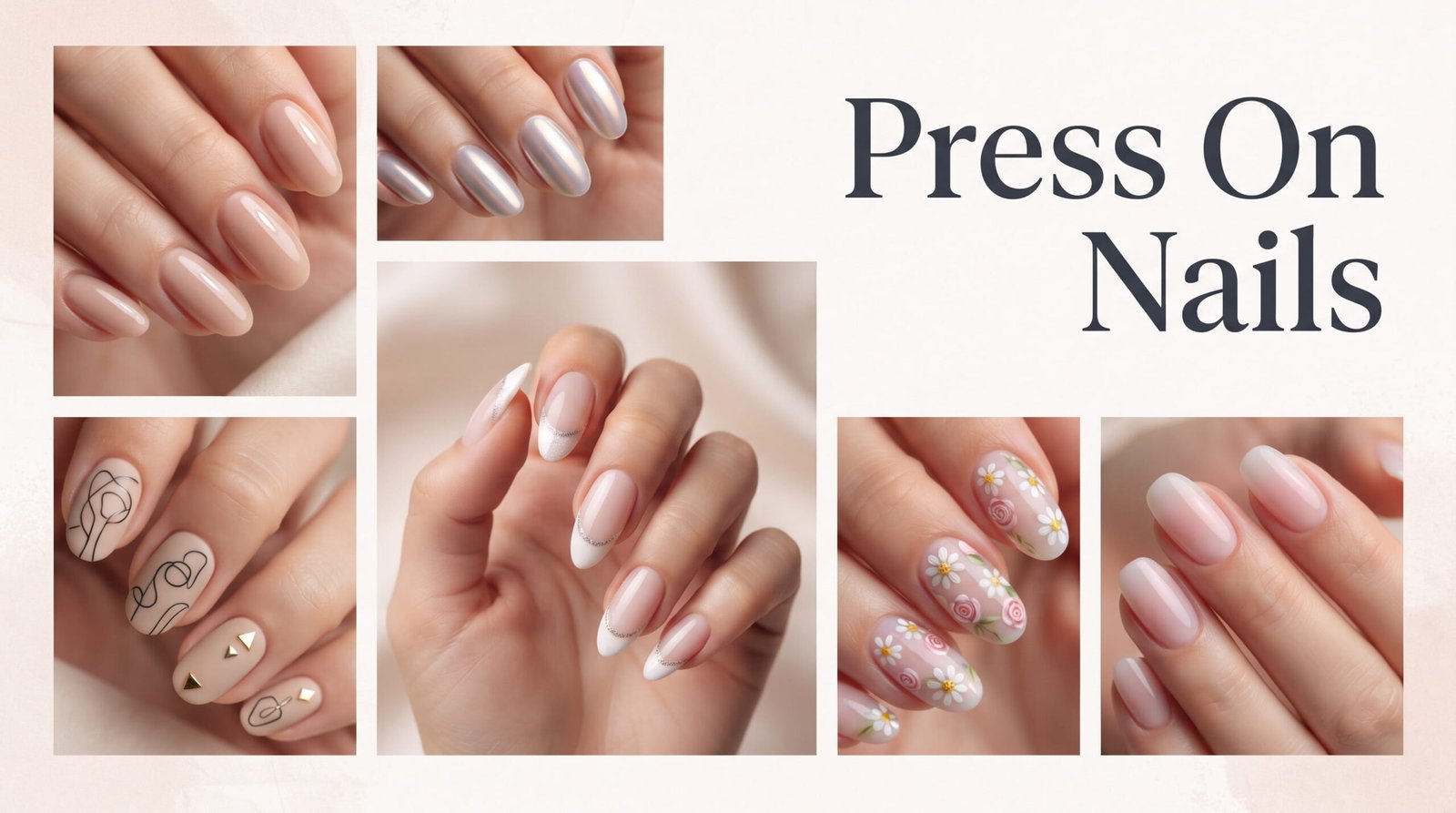
These ready-made artificial nails come in different lengths, shapes, colors and designs. Some look minimal and natural, while others feature bold patterns, glitter, French tips, chrome finishes or detailed nail art.
One of the biggest advantages of press on nails is flexibility. They can usually be applied at home, removed without waiting for a salon appointment and replaced whenever you want a different look.
However, the quality of the final result depends heavily on selecting the right size, preparing the natural nails properly and removing the artificial nails gently.
What Are Presses On Nails?
Presses on nails are pre-shaped artificial nail tips designed to cover the natural nails.
They are typically made from lightweight plastic or similar materials and come in sets containing multiple sizes. This allows users to find a reasonably close fit for each finger.
Depending on the product, press ons may be attached using:
- Nail glue
- Adhesive tabs
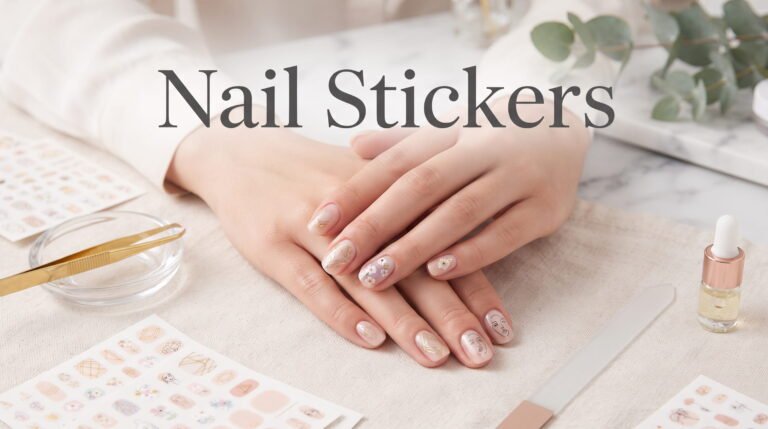
- Double-sided nail stickers
- A combination of adhesive methods
They range from very short natural-looking nails to long dramatic styles.
Why Are Press On Nails So Popular?
Presses on nails have become popular because they combine convenience with a wide variety of designs.
Instead of waiting for natural nails to grow or spending time getting nail art done professionally, users can change their manicure relatively quickly at home.
They are particularly appealing to people who:
- Like changing nail styles frequently
- Want an affordable manicure option
- Have limited time for salon appointments
- Prefer temporary nail enhancements
- Enjoy experimenting with nail shapes and colors
- Want nail art without creating it themselves
Popular Press On Nail Shapes
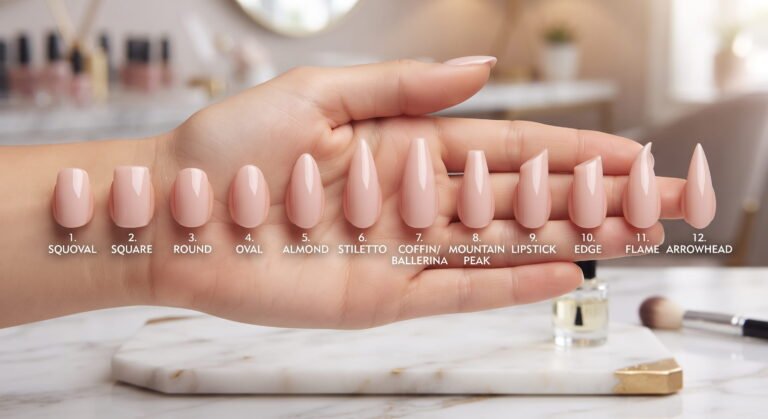
The shape you choose can dramatically change the appearance of your hands.
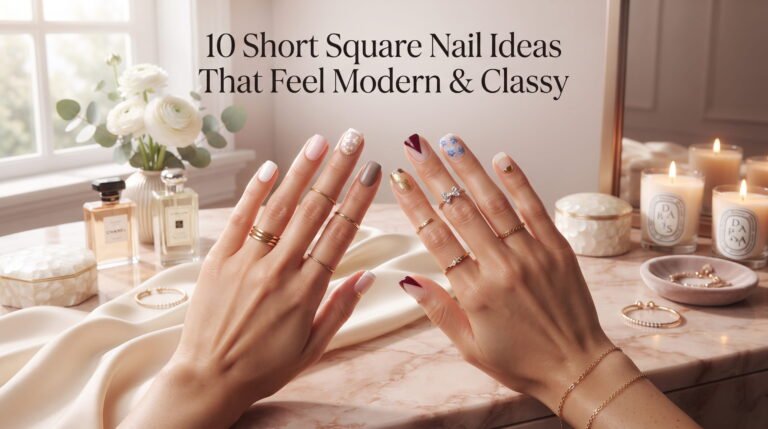
Short Square
Short square nails are practical and clean-looking. They are a good choice for people who want a polished manicure without excessive length.
Squoval
A squoval combines a square shape with softly rounded corners. It offers a balanced appearance and works well for everyday wear.
Almond
Almond nails taper toward the tip and create an elongated appearance.
They are popular for elegant and feminine manicures.
Coffin
Coffin nails remain wider near the base before narrowing toward a flat tip.
They provide more space for detailed nail art.
Stiletto
Stiletto nails have sharply pointed tips and create a dramatic statement.
They can look particularly striking with bold colors, metallic finishes or elaborate designs.
Oval
Oval nails have a softer, rounded appearance and can create the illusion of longer fingers.
Popular Press On Nail Designs
One reason press ons are so versatile is the huge range of available designs.
French Tip Nails
Classic French tips remain one of the easiest ways to create a sophisticated manicure.
Modern versions may use different colors instead of traditional white tips.
Chrome Nails
Chrome finishes create a reflective metallic appearance and can make a simple manicure look more dramatic.
Nude Nails
Nude press ons are ideal for a subtle everyday look.
Different shades can be selected to complement the wearer’s preferred color palette.
Floral Designs
Flowers can create a softer spring or summer appearance.
Glitter Nails
Glitter adds extra sparkle and can be used across the entire nail or as an accent.
Minimalist Nail Art
Small lines, dots, tiny shapes and simple color combinations are ideal for people who prefer understated designs.
Ombre Nails
Ombre press ons blend one color gradually into another, creating a smooth transition.
How to Choose the Right Press On Nails
The best press on nails are not necessarily the longest or most elaborate.
Consider your lifestyle before choosing a set.
If you type frequently, work with your hands or perform tasks that require finger flexibility, shorter nails may be more practical.
You should also consider:
- Nail shape
- Nail length
- Design
- Natural nail width
- Adhesive type
- Expected wear time
- Comfort
A beautiful design will not look its best if the nails are too wide or too narrow for your natural nail beds.
How to Measure Your Nails
Getting the right size is one of the most important parts of achieving a professional-looking result.
Many press-on sets contain several sizes for each shape.
Measure the width of your natural nail at its widest point. If you are between sizes, selecting a slightly larger nail that can be filed down may be easier than trying to make a nail that is too small work.
The artificial nail should cover the natural nail without extending onto the surrounding skin.
How to Apply Press On Nails
Proper preparation can make a major difference in both appearance and wear time.
Step 1: Clean Your Natural Nails
Remove old polish and wash your hands.
The nails should be free from oils, lotion and other residue.
Step 2: Push Back the Cuticles
Gently push the cuticles back if appropriate.
Avoid aggressive cutting or damaging the skin around the nail.
Step 3: Shape the Natural Nails
Trim and file the natural nails so they are neat and relatively even.
Step 4: Lightly Prepare the Nail Surface
If recommended by the product instructions, gently buff the surface to improve adhesion.
Avoid excessive filing because thinning the natural nail can cause damage.
Step 5: Arrange the Press Ons
Before applying adhesive, arrange the nails in order.
This makes application faster and helps prevent confusion.
Step 6: Apply Adhesive
Depending on the product, use the supplied adhesive tabs or a suitable nail glue.
Step 7: Position the Nail
Place the artificial nail carefully near the cuticle without pressing adhesive onto the surrounding skin.
Step 8: Apply Pressure
Hold the nail firmly for the amount of time recommended by the product instructions.
How Long Do Press On Nails Last?
Wear time varies significantly.
Factors that influence longevity include:
- Type of adhesive
- Nail preparation
- Natural nail condition
- Water exposure
- Daily activities
- Nail length
- Application technique
- Product quality
Adhesive tabs may be useful when you want a short-term manicure, while nail glue can provide longer wear when applied correctly.
Instead of focusing on a specific number of days, follow the manufacturer’s instructions and pay attention to lifting or discomfort.
Press On Nails With Glue vs. Adhesive Tabs
Both methods have advantages.
Nail Glue
Glue can provide a stronger bond and may be preferred when longer wear is desired.
However, removal needs to be handled carefully to avoid damaging the natural nail.
Adhesive Tabs
Tabs are convenient for temporary wear and are often easier to remove.
They can be a useful choice for special occasions, events or people who frequently change their manicure.
Are Press On Nails Safe?
Press on nails can be used safely when applied and removed properly.
The main concerns usually involve:
- Nail damage from aggressive removal
- Irritation from adhesives
- Allergic reactions
- Moisture trapped beneath a lifting nail
- Infection if products or nails are contaminated
If the natural nail becomes painful, swollen, discolored or unusually sensitive, remove the artificial nail and consider getting professional medical advice.
Can Press On Nails Damage Natural Nails?
The artificial nail itself does not automatically mean that natural nails will become damaged.
Problems are more likely when the nails are:
- Filed excessively
- Peeled off forcefully
- Repeatedly glued without proper care
- Left on despite significant lifting
- Applied over unhealthy or damaged nails
The removal process is especially important.
Never rip or forcefully pull a press-on nail away from the natural nail.
How to Remove Press On Nails Safely
Removal should be slow and gentle.
If adhesive tabs were used, the nails may come off more easily.
For glued nails, follow the adhesive manufacturer’s removal instructions. Depending on the product, soaking may help loosen the bond.
Avoid:
- Pulling forcefully
- Biting the artificial nail off
- Scraping aggressively
- Peeling layers from the natural nail
If the nail does not release easily, give the adhesive more time to loosen rather than forcing it.
Press On Nails vs. Gel Nails
Press ons and gel manicures offer different experiences.
| Feature | Press On Nails | Gel Nails |
| Application | Usually at home | Often salon-based |
| Design variety | Very high | Very high |
| Time commitment | Generally shorter | Usually longer |
| Removal | Depends on adhesive | Requires specific removal |
| Reusability | Some sets can be reused | Usually not reused |
| Customization | Limited by purchased design | Highly customizable |
| Cost | Often lower | Can be higher |
Neither option is universally better. The right choice depends on budget, lifestyle and how long you want the manicure to last.
How to Make Press On Nails Look More Natural
A few details can make a major difference.
Choose a nail that matches your natural nail width as closely as possible.
Avoid placing the artificial nail directly onto the surrounding skin.
You can also lightly file the sides or tip when appropriate to create a more personalized fit.
Shorter lengths and neutral colors can also create a particularly natural appearance.
How to Make Press On Nails More Comfortable
Comfort begins with choosing an appropriate size.
A nail that is too narrow can create pressure on the natural nail, while an oversized nail may catch on clothing or objects.
Do not ignore persistent pain or pressure.
If a nail feels uncomfortable immediately after application, it is better to remove and replace it than to continue wearing it.
Can You Shower With Press On Nails?
Yes, but frequent or prolonged exposure to water may affect some adhesives.
Repeated soaking can contribute to lifting, especially around the edges.
To improve wear, avoid unnecessarily prolonged soaking and dry your hands thoroughly after washing.
Can You Reuse Press On Nails?
Some high-quality press-on nails can be reused if they are removed carefully and remain in good condition.
However, reuse depends on:
- How they were attached
- Whether they were damaged during removal
- Whether adhesive residue can be safely removed
- The condition of the artificial nail
Never reuse nails that are cracked, contaminated or visibly damaged.
Press On Nails for Special Occasions
Press ons are especially useful for events because they allow you to achieve a coordinated manicure without committing to a permanent salon style.
They can work well for:
- Weddings
- Parties
- Vacations
- Birthdays
- Photoshoots
- Formal dinners
- Holidays
For an event, it is sensible to test the chosen style beforehand rather than applying an unfamiliar set for the first time immediately before an important occasion.
Tips for Healthier Natural Nails
Even when wearing artificial nails, your natural nails deserve attention.
Keep them clean and avoid excessive filing.
Give damaged or irritated nails time to recover before applying another set.
Moisturizing the surrounding skin can also help maintain a neat appearance, although oils and creams should be kept away from the nail surface immediately before application if they interfere with adhesion.
Conclusion
Pressing on nails provides an easy way to create a polished manicure without committing to a lengthy salon appointment. With countless shapes, colors, finishes and designs available, they can suit everything from everyday wear to special occasions.
The key to a successful press-on manicure is not simply choosing an attractive design. Proper sizing, clean preparation, careful application and gentle removal are equally important.
Short styles can be practical for everyday life, while almond, coffin and stiletto shapes offer more dramatic options. Adhesive tabs can be convenient for temporary wear, while glue may provide a stronger bond when longer wear is desired.
When used thoughtfully, pressing on nails can be a convenient addition to your beauty routine while allowing you to experiment with different looks whenever you want.
Frequently Asked Questions
1. How long do presses on nails usually last?
Their wear time varies according to the adhesive, preparation, nail quality and daily activities. Proper application generally helps improve durability.
2. Are presses on nails better than gel nails?
Neither is automatically better. Press ons are convenient and often easier to apply at home, while gel manicures offer salon-based customization and a different type of finish.
3. Can press on nails damage natural nails?
They can contribute to damage if nails are excessively filed, glued improperly or forcefully removed. Gentle application and removal are important.
4. Can I reuse the press on nails?
Some sets can be reused if they remain intact and are removed carefully. Reusability depends on the product and adhesive used.
5. Can I shower while wearing a press on my nails?
Yes, although repeated or prolonged water exposure can contribute to lifting with some adhesives. Dry your hands thoroughly after washing.
6. Are adhesive tabs or nail glue better?
Adhesive tabs are convenient for temporary wear, while glue may provide a stronger bond. The best choice depends on how long you want to wear the nails.
7. How do I make the nails look natural?
Choose sizes that closely match your natural nail width, position them carefully and file the edges when necessary for a better fit.
8. Can I put pressure on nails over short nails?
Yes. Press ons can work well on short natural nails as long as the artificial nails are properly sized and applied.
9. What is the easiest press-on nail shape for everyday use?
Short square, squoval and short oval styles are generally practical because they provide a polished appearance without excessive length.
10. How should I remove the pressure on my nails?
Follow the adhesive manufacturer’s instructions and loosen the bond gradually. Avoid pulling, biting or forcibly peeling the artificial nail from the natural nail.