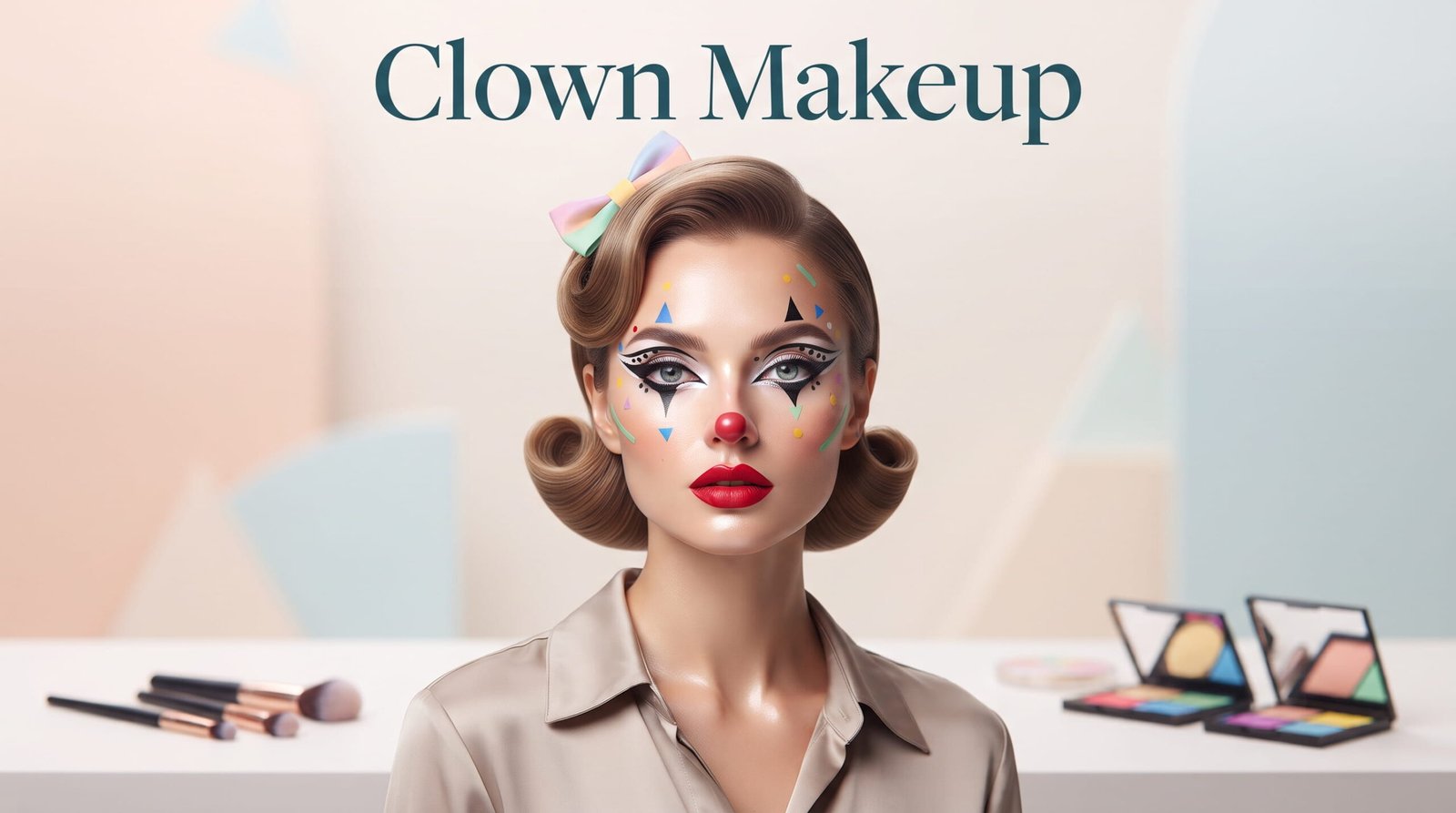
Clown Makeup: How to Apply, Products, and Tips for a Perfect Look
Introduction
Clown makeup is one of the most recognizable forms of theatrical face painting. From traditional circus performers to Halloween costumes, stage performances, parties, festivals, and creative makeup looks, clown makeup can range from cheerful and colorful to dramatic, artistic, or intentionally spooky.
A classic clown look often uses a white base with exaggerated eyes, eyebrows, cheeks, and lips. However, modern clown makeup has expanded far beyond the traditional style. You can create cute clown makeup with pastel colors, glamorous clown makeup with glitter and rhinestones, or a darker look using dramatic black and red details.
The history of clown makeup is also fascinating. The famous British clown Joseph Grimaldi helped popularize the white-faced clown appearance in the early 19th century. His theatrical designs included a white face and strongly emphasized red facial features, helping establish a visual style that influenced clown makeup for generations.
Whether you’re preparing for Halloween, a costume party, a stage performance, or simply experimenting with creative makeup, this guide explains clown makeup types, ideas, products, application steps, safety tips, removal methods, and ways to create a professional-looking result.
What Is Clown Makeup?
Clown makeup is specialized face makeup used to create an exaggerated character appearance.
Unlike everyday makeup, which usually aims to enhance natural facial features, clown makeup intentionally changes or exaggerates features. White, red, black, blue, yellow, and other vivid colors are commonly used.
Traditional clown makeup may emphasize:
- Eyes
- Eyebrows
- Nose
- Cheeks
- Lips
- Smile lines
- Facial expressions
The Smithsonian notes that clown makeup is not simply a mask; performers often use painted features to emphasize facial movements and create a distinctive character.
History of Clown Makeup
Clown makeup has developed alongside theatrical clowning.
One of the most influential figures was Joseph Grimaldi, an English performer who became famous around the beginning of the 19th century. The London Museum explains that Grimaldi helped transform the clown into a major pantomime character and introduced a distinctive makeup style featuring a white face and red cheek markings.
Traditional circus clown makeup later developed into several recognizable styles, including whiteface, Auguste, and character or tramp clown appearances. The Library of Congress notes that Auguste makeup commonly highlights areas such as the eyes and mouth rather than covering the entire face in white.
Today, makeup artists have expanded these traditional designs into countless creative styles.
Main Types of Clown Makeup
1. Whiteface Clown Makeup
Whiteface is probably the most recognizable traditional clown style.
The face is generally covered with white makeup, followed by exaggerated red or black features.
Typical elements include:
- White face
- Red lips
- Red cheeks
- Dramatic eyebrows
- Defined eyes
- Decorative shapes
Traditional whiteface makeup covers most or all of the face and neck, although modern versions can be adapted for different looks.
2. Auguste Clown Makeup
The Auguste clown generally has a more exaggerated and chaotic appearance.
Instead of covering the entire face in white, the makeup can use a natural or flesh-toned base with white around the eyes and mouth.
Bright colors and oversized facial details are common.
3. Character Clown Makeup
Character clown makeup takes inspiration from a specific personality or occupation.
The makeup may include:
- Freckles
- Facial hair
- Eyebrows
- Glasses
- Wrinkles
- Fake scars
- Exaggerated noses
The goal is to create a recognizable character rather than simply a generic clown.
4. Tramp or Hobo Clown Makeup
This style traditionally creates a worn or scruffy appearance.
Common elements include:
- Darkened eyes
- Facial shading
- Painted beard or stubble
- Messy eyebrows
- Smudged details
The Library of Congress identifies the tramp clown as an American clown tradition, with white makeup often concentrated around the eyes and mouth and a painted greasepaint beard frequently used for male-presenting characters.
Cute Clown Makeup
Not every clown look needs to be scary.
For a cute clown appearance, try:
- Pastel pink
- Baby blue
- Lavender
- White
- Soft red
- Glitter
- Small hearts
- Tiny stars
- Rounded cheeks
Instead of sharp or threatening shapes, use curved lines and symmetrical designs.
A small red heart on the nose or cheeks can also create a playful finish.
Scary Clown Makeup
Scary clown makeup is especially popular for Halloween.
A dramatic look can use:
- White face paint
- Black around the eyes
- Dark eyebrows
- Red lips
- Sharp smile lines
- Red or black tears
- Dramatic contouring
You can make the appearance more theatrical without using unsafe materials. Cosmetic face paint should always be used according to its label.
Glam Clown Makeup
Glam clown makeup combines traditional clown elements with beauty makeup.
Try:
- Glitter eyeshadow
- False lashes
- Rhinestones
- Metallic pigments
- Glossy lips
- Highlighter
- Defined brows
- Bright blush
For example, you could create a classic white base and then add a dramatic glitter eye design around the traditional clown shapes.
Halloween Clown Makeup
Halloween is one of the most popular occasions for clown makeup.
You can choose a style based on the type of costume you want:
Cute: pastel colors and hearts
Classic: white face, red nose, red lips
Creepy: dark eyes and exaggerated mouth
Glamorous: glitter and rhinestones
Vintage: traditional whiteface and red details
Planning the design before applying it can make the process much easier.
What Do You Need for Clown Makeup?
A basic clown makeup kit may include:
- White face paint
- Red face paint
- Black face paint
- Colored face paints
- Makeup sponges
- Fine brushes
- Eyeliner
- Setting powder
- Makeup remover
- Mirror
- Moisturizer
- Makeup primer
Professional clown makeup has traditionally included greasepaint because it provides strong coverage and can hold up well when properly set. (ClownAntics)
For casual Halloween or party makeup, washable face paints may be easier to use and remove.
How to Apply Clown Makeup Step by Step
Step 1: Clean Your Face
Start with clean, dry skin.
Remove excess oil, dirt, and previous makeup.
Step 2: Moisturize
Apply a light moisturizer appropriate for your skin.
Allow it to absorb before beginning the makeup.
Step 3: Apply Primer
A makeup primer can create a smoother surface and may help your makeup last longer.
Step 4: Apply the White Base
Use a clean sponge or appropriate brush to apply white face paint evenly.
Don’t make the layer unnecessarily thick.
Traditional clown makeup instructions recommend achieving enough coverage to hide the natural skin tone without creating an overly gummy layer. (arlm.org)
Step 5: Add the Eye Design
Use black or another contrasting color to create exaggerated eye shapes.
You can create:
- Triangles
- Diamonds
- Curved lines
- Stars
- Dramatic arches
For a simple Halloween look, triangular black shapes above and below the eyes are an easy starting point. (Allure)
Step 6: Define the Eyebrows
Exaggerated eyebrows help communicate the clown character.
Try making them:
- Curved
- High
- Angular
- Rounded
- Dramatically oversized
Step 7: Create the Nose
The traditional red clown nose can be created with red face paint.
You can make a simple circular shape or use a separate costume nose.
Step 8: Draw the Mouth
Red lipstick or red face paint can be used to create an exaggerated mouth.
For a traditional look, extend the corners slightly beyond the natural lip shape.
For a creepy style, sharper lines can create a more dramatic appearance.
Step 9: Add Cheek Details
Red, pink, blue, or other colors can be used on the cheeks.
Circles, diamonds, hearts, and curved shapes are popular options.
Step 10: Set the Makeup
Depending on the type of face paint you’re using, setting powder may help improve durability.
Always follow the product instructions because not every face paint should be treated in the same way.
How to Make Clown Makeup Last Longer
A good application technique can make a significant difference.
Prepare the Skin
Clean skin gives makeup a better surface.
Use Thin Layers
Several controlled layers can look better than one extremely thick layer.
Allow Each Layer to Set
Give different products enough time to dry or set.
Use Suitable Setting Products
Some clown makeup products work well with setting powder, while others have specific finishing instructions.
Avoid Excessive Touching
Touching or rubbing the face can cause smearing.
How to Remove Clown Makeup
Removing clown makeup properly is just as important as applying it.
Start by following the instructions provided with your face paint.
For suitable cosmetic products:
- Remove large amounts of makeup with a gentle cleanser or appropriate makeup remover.
- Avoid aggressive scrubbing.
- Pay attention to areas around the eyes.
- Wash the face gently.
- Apply moisturizer afterward.
Greasepaint may require an oil-based remover or cleansing product designed for that type of makeup.
Never use harsh household chemicals to remove face paint.
Clown Makeup Safety
Face paint is a cosmetic product, but not every colorful substance is safe for skin.
The FDA recommends using products specifically intended for the face and following their directions. It also warns that some face paints should not be used around the eyes, even if an image on the packaging appears to show eye-area use.
Avoid Craft Paint
Never assume that acrylic, poster, or craft paint is safe for your skin simply because it is washable.
Use products specifically labeled for cosmetic or face-paint use.
Be Careful Around the Eyes
Some face paints are not intended for use near the eyes.
Read the label carefully.
Check for Irritation
If a product causes burning, itching, swelling, or significant redness, remove it and stop using it.
Don’t Use Expired or Contaminated Products
A strong unusual odor or obvious change in a cosmetic product can be a warning sign. The FDA specifically recommends avoiding face paint with a very bad smell because it may indicate contamination.
Clown Makeup for Sensitive Skin
If your skin is sensitive, take extra precautions.
Consider:
- Choosing products specifically formulated for face use
- Checking the ingredient list
- Testing a small area before full application
- Avoiding broken or irritated skin
- Removing makeup gently
- Moisturizing afterward
If you’ve previously reacted to a cosmetic ingredient, avoid that ingredient where possible.
Clown Makeup Ideas for Beginners
If you’re new to face painting, start with a simple design.
Easy Classic Look
Use:
- White base
- Red nose
- Red lips
- Black eyebrows
- Simple cheek circles
Easy Cute Look
Try:
- White cheeks
- Pink nose
- Small hearts
- Pastel eye shapes
- Pink blush
Easy Halloween Look
Use:
- White base
- Black eye triangles
- Red lips
- Red nose
- Dark eyebrows
You don’t need dozens of colors to create an effective clown design.
Clown Makeup for Kids
Clown face painting is popular at birthday parties and children’s events.
For children, choose face paints specifically intended for cosmetic use and follow age-related instructions.
Keep designs simple:
- Flowers
- Hearts
- Stars
- Colorful cheeks
- Small noses
- Rainbow details
Avoid putting makeup directly into or too close to the eyes.
Clown Makeup for Men
Clown makeup is not restricted to any particular gender.
Men can use traditional whiteface designs, character makeup, scary clown looks, or colorful modern styles.
Beard and facial hair can also be incorporated into character designs rather than completely hidden.
Clown Makeup for Women
Women can combine traditional clown makeup with conventional beauty techniques.
Popular combinations include:
- Whiteface + dramatic lashes
- Clown shapes + glitter
- Red lips + rhinestones
- Pastel clown + blush
- Black-and-white clown + bold contour
Clown Makeup for Stage Performances
Stage clown makeup needs to be visible from a distance.
For performances, artists often exaggerate facial features more than they would for a close-up Halloween costume.
The Smithsonian explains that clown makeup can be designed to emphasize facial movements and expressions, making the painted features part of the performance itself. (Smithsonian Institution)
Symmetry is also important because uneven shapes can become especially noticeable under stage lighting.
Common Clown Makeup Mistakes
Using Too Much Paint
Very thick makeup can become uncomfortable and crack.
Uneven White Base
Patchy coverage can make the final design look unfinished.
Asymmetrical Eyes
If symmetry is part of your design, compare both sides regularly in a mirror.
Applying Makeup Too Close to the Eyes
This can increase the chance of irritation.
Using Non-Cosmetic Paint
Craft paints are not substitutes for face paint.
Forgetting Removal
Leaving makeup on longer than necessary can contribute to irritation, particularly for sensitive skin.
Traditional vs. Modern Clown Makeup
| Feature | Traditional Clown Makeup | Modern Clown Makeup |
| Base | Often white | Any color |
| Colors | Red, black, white | Unlimited |
| Style | Circus/theatrical | Artistic, glam, spooky, cute |
| Features | Exaggerated | Highly customizable |
| Purpose | Performance | Halloween, fashion, events, social media |
| Designs | Classic shapes | Glitter, gems, abstract art |
Modern clown makeup gives artists considerably more creative freedom.
How to Design Your Own Clown Face
Professional clown makeup can become highly personalized.
The Smithsonian describes clown makeup as an individual form of expression, with performers developing signature designs around their own faces and characters. (Smithsonian Institution)
Before applying makeup, sketch your design on paper.
Decide:
- What personality does the clown have?
- What colors represent that personality?
- Which facial feature should be emphasized?
- Do you want the look to be cute, funny, glamorous, artistic, or scary?
- Which areas should remain simple?
Starting with a sketch can save time and make symmetry easier.
Conclusion
Clown makeup combines theatrical tradition, creativity, and personal expression. Although the classic white face, red nose, exaggerated lips, and dramatic eyes remain popular, today’s clown makeup can take almost any direction—from cute and colorful to glamorous, artistic, or spooky.
Understanding the different clown styles can help you choose the right design for Halloween, parties, performances, photography, or creative makeup. Whiteface, Auguste, character, and tramp styles each have their own visual characteristics, while modern makeup allows you to combine traditional elements with glitter, rhinestones, bold colors, and contemporary beauty techniques.
The most important part is choosing face-safe cosmetic products and applying them carefully. Never use craft paint on your skin, follow product instructions around the eyes, and remove the makeup gently after the event.
With a clean base, suitable face paint, a few brushes or sponges, and a creative design, you can create an impressive clown look without needing professional makeup skills.
FAQs About Clown Makeup
1. What is clown makeup?
Clown makeup is theatrical face makeup used to create an exaggerated clown character. It commonly includes white, red, black, and brightly colored face paint.
2. What makeup do clowns use?
Professional clowns may use specialized greasepaint or other theatrical face paints. For casual costumes, washable cosmetic face paints can be easier to apply and remove. (ClownAntics)
3. How do you do simple clown makeup?
Apply a white face base, add exaggerated black or colorful eye shapes, create a red nose, define the lips, and add cheek details. You can keep the design simple if you’re a beginner.
4. What colors are best for clown makeup?
Traditional colors include white, red, and black, but blue, yellow, pink, purple, green, and other colors can be used for modern designs.
5. Can I use regular makeup for clown makeup?
Yes. Regular cosmetics such as lipstick, eyeliner, eyeshadow, and blush can be combined with cosmetic face paint. However, products should be intended for their particular area of use.
6. Is clown makeup safe for children?
Face paint specifically made for cosmetic use can be suitable for children when used according to the label. Avoid products that are not intended for skin and keep makeup away from the eyes.
7. Can I use acrylic paint for clown makeup?
No. Acrylic and other craft paints should not be used as substitutes for cosmetic face paint. Use products specifically formulated and labeled for application to skin.
8. How do I remove clown makeup?
Use a makeup remover or cleanser appropriate for the type of face paint, then gently wash the skin. Greasepaint may require a suitable oil-based remover.
9. How can I make clown makeup last longer?
Start with clean skin, apply controlled layers, allow products to set properly, and use an appropriate setting product when recommended by the manufacturer.
10. What is the most popular clown makeup style?
Traditional whiteface remains one of the most recognizable styles, while cute, glam, and scary clown makeup are especially popular for modern costumes and Halloween.