Eye Bags: Prevention and Complete Guide to Under-Eye Care
Introduction
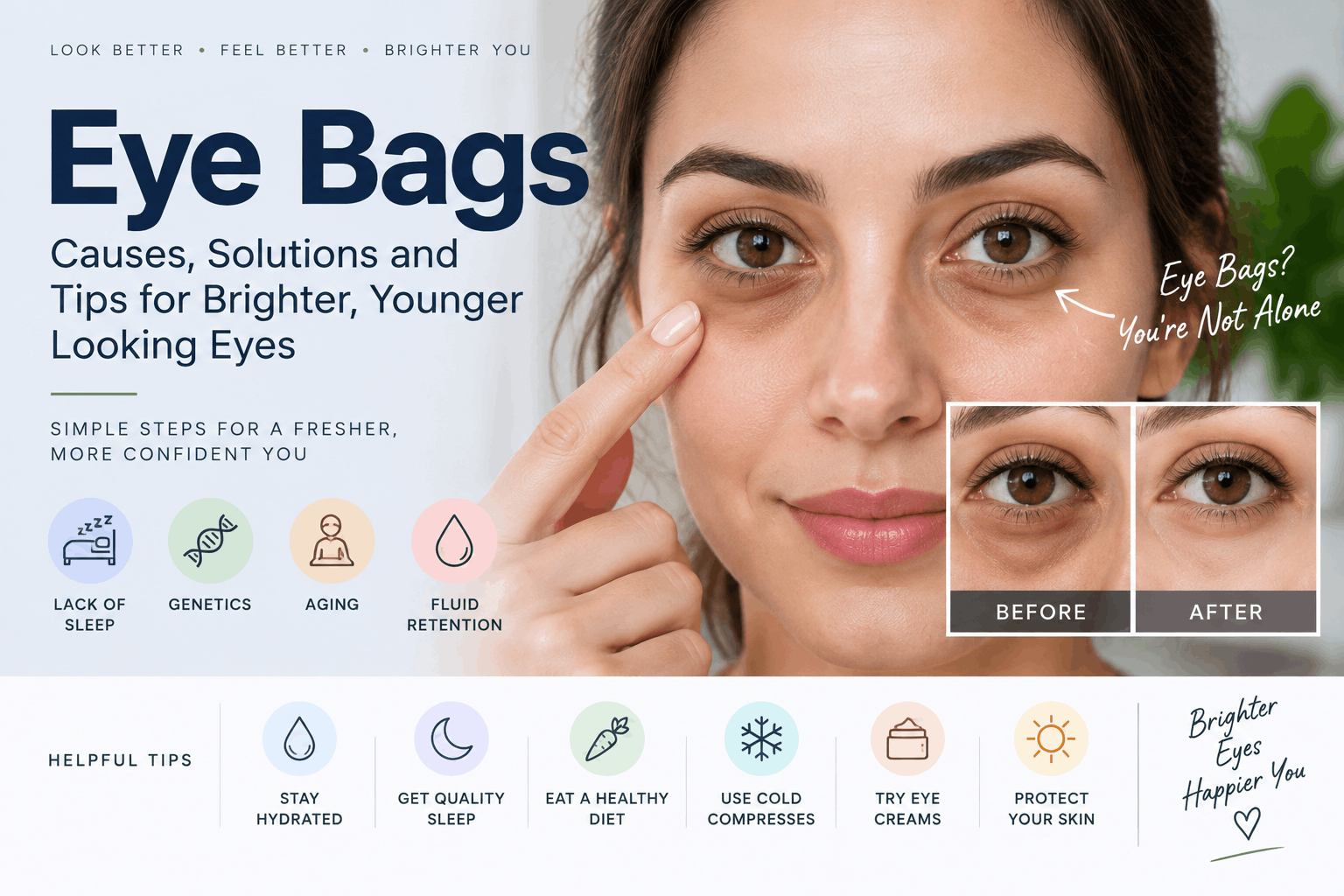
The skin around the eyes is one of the most delicate areas of the face. Because this skin is thinner and more sensitive than other parts of the body, it often shows signs of tiredness, aging, stress, and lifestyle changes earlier than other areas. One of the most common concerns people notice is puffiness or swelling under the eyes, commonly known as eye bags.
Many people experience this issue at some point in their lives. Some notice it after a poor night of sleep, while others may see it develop gradually due to aging, genetics, dehydration, or daily habits. Although under-eye puffiness is usually harmless, it can affect how refreshed and confident a person feels about their appearance.
Modern skincare has introduced many ways to improve the appearance of the under-eye area, including lifestyle changes, skincare products, professional treatments, and medical procedures. Understanding why this concern develops is the first step toward choosing the right solution.
This complete guide explains the causes of under-eye bags, common symptoms, natural remedies, skincare treatments, professional options, prevention methods, and important tips for maintaining a healthier-looking eye area.
What Are Eye Bags?
Eye bags refer to the swelling, puffiness, or loose appearance that develops beneath the eyes. They occur when the tissues around the lower eyelids change due to fluid buildup, aging, lifestyle factors, or changes in skin structure.
The under-eye area contains delicate skin, muscles, and fat tissues that help support facial structure. Over time, these tissues can weaken, causing the area to appear fuller or more tired.
Common signs include:
- Puffiness under the eyes
- Mild swelling
- Dark appearance around the lower eyelids
- Loose or sagging skin
- Tired-looking eyes
Although many people associate this condition with lack of sleep, several other factors can contribute to its appearance.
What Causes Eye Bags?
There is no single reason why under-eye puffiness develops. Different people experience it for different reasons.
Aging
Aging is one of the most common causes of changes around the eyes.
As people get older:
- Skin becomes thinner
- Collagen production decreases
- Skin loses elasticity
- Supporting tissues weaken
These changes can make the area beneath the eyes appear more noticeable.
The fat that normally supports the eyes may also shift downward over time, creating a fuller appearance.
Lack of Sleep
Poor sleep is strongly connected with a tired-looking eye area.
When someone does not get enough rest, the body may experience:
- Increased fluid retention
- Poor circulation
- Darker appearance under the eyes
A few nights of insufficient sleep can make the area appear swollen or dull.
Maintaining a consistent sleep schedule can help improve overall skin appearance.
Genetics
Some people naturally have a higher tendency to develop under-eye puffiness because of their family traits.
Genetics can influence:
- Skin thickness
- Facial structure
- Fat distribution
- Natural aging patterns
If close family members experience similar concerns, genetics may play a role.
Fluid Retention
Fluid buildup can cause temporary swelling under the eyes.
Common triggers include:
- Eating too much salty food
- Hormonal changes
- Sleeping position
- Dehydration
- Allergies
The swelling may be more noticeable in the morning because fluid can collect around the eyes while sleeping.
Dehydration
When the body does not receive enough water, the skin can appear less healthy.
Dehydration may contribute to:
- Dull skin
- More visible fine lines
- Tired appearance
Drinking enough water supports overall skin health.
Allergies
Allergic reactions can cause inflammation around the eyes.
Common allergy-related symptoms include:
- Itchy eyes
- Redness
- Watery eyes
- Swelling
Rubbing the eyes frequently can make the area more irritated and increase puffiness.
Lifestyle Factors That Affect Under-Eye Appearance
Daily habits can have a major impact on how the skin around the eyes looks.
High Salt Intake
Eating too much sodium can cause the body to hold extra water, which may increase facial puffiness.
Reducing highly processed and salty foods may help.
Smoking
Smoking can damage collagen and affect skin quality.
It may contribute to:
- Premature aging
- Reduced skin elasticity
- Dull appearance
Alcohol Consumption
Alcohol can contribute to dehydration and poor sleep quality, which may make under-eye concerns more noticeable.
Stress
Long-term stress can affect sleep, hormones, and overall skin health.
Managing stress through healthy habits may support better skin appearance.
Difference Between Eye Bags and Dark Circles
Many people confuse puffiness with dark circles, but they are different concerns.
Eye Bags
These involve:
- Swelling
- Puffiness
- Fuller appearance
- Loose skin
Dark Circles
These involve:
- Dark pigmentation
- Shadowing
- Blood vessel visibility
- Thin skin appearance
Some people experience both concerns at the same time.
Understanding the difference helps in choosing the right treatment approach.
How to Reduce Eye Bags Naturally
Many lifestyle changes can help improve the appearance of under-eye puffiness.
Get Enough Sleep
Quality sleep allows the body to repair and recover.
Helpful sleep habits include:
- Maintaining a regular bedtime
- Reducing screen use before sleeping
- Creating a comfortable sleeping environment
Most adults benefit from consistent, sufficient rest.
Stay Hydrated
Drinking enough water helps support healthy skin function.
Good hydration habits include:
- Drinking water throughout the day
- Eating water-rich foods
- Limiting excessive dehydrating beverages
Use Cold Compresses
Cold temperatures can temporarily reduce swelling by helping tighten blood vessels.
Common options include:
- Cold washcloth
- Chilled eye mask
- Cooling skincare tools
Avoid applying ice directly to the skin because it may cause irritation.
Improve Sleeping Position
Sleeping with the head slightly elevated may help reduce fluid accumulation around the eyes.
This can be especially helpful for people who notice more puffiness in the morning.
Skincare Ingredients That May Help
Certain skincare ingredients are commonly used in products designed for the under-eye area.
Caffeine
Caffeine is often included in eye products because it may help temporarily reduce the appearance of puffiness.
It can help create a more refreshed appearance.
Retinol
Retinol is a vitamin A derivative commonly used in anti-aging skincare.
It may support:
- Skin texture improvement
- Collagen support
- Reduced appearance of fine lines
Because the eye area is sensitive, products should be used carefully.
Hyaluronic Acid
Hyaluronic acid helps attract and retain moisture.
Hydrated skin often appears smoother and healthier.
Peptides
Peptides are ingredients used in many skincare products designed to support skin firmness.
They are commonly included in formulas targeting signs of aging.
How to Apply Eye Cream Correctly
Using eye products properly can improve comfort and results.
Follow these steps:
- Clean your face gently
- Apply a small amount of product
- Use your ring finger for gentle application
- Avoid pulling or rubbing the skin
- Allow the product to absorb
The skin around the eyes requires gentle handling because it is delicate.
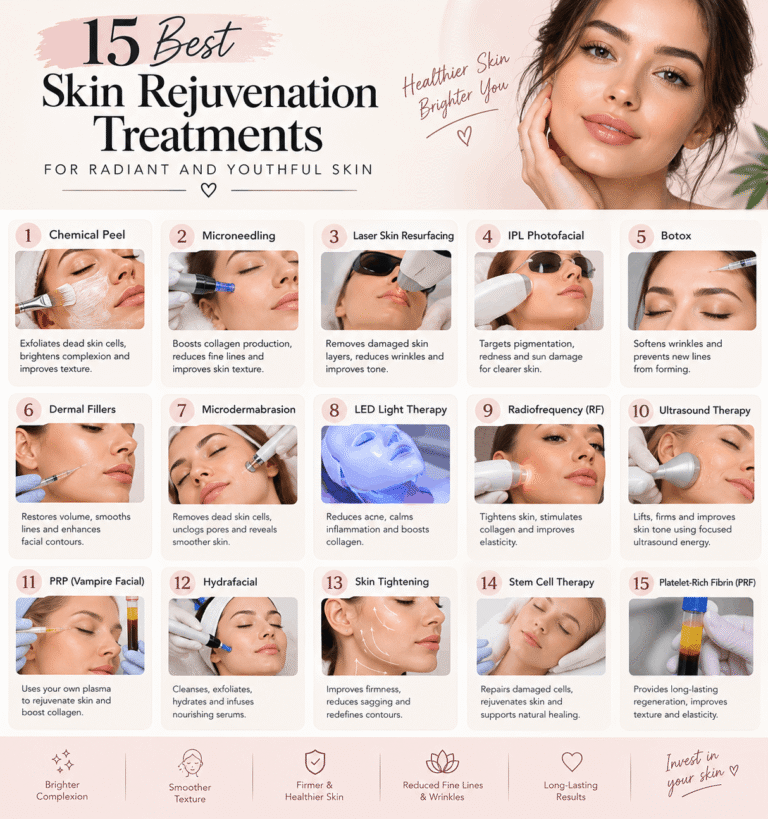
Professional Treatments for Eye Bags
Some people look for professional options when lifestyle changes and skincare products are not enough.
Available treatments may include:
Laser Treatments
Certain laser procedures are designed to improve skin texture and firmness.
They may help address signs related to aging.
Chemical Peels
Some professional peels can improve skin appearance by removing damaged surface layers.
They should only be performed by qualified professionals.
Fillers
Dermal fillers may be used in some cases to improve under-eye hollowness and shadows.
A qualified provider should evaluate whether this option is appropriate.
Eyelid Surgery
Blepharoplasty is a surgical procedure designed to address excess skin or fat around the eyelids.
It is typically considered for people with more noticeable structural changes.
Prevention Tips for Healthier-Looking Eyes
Preventing under-eye concerns is easier when healthy habits are maintained.
Protect Your Skin From Sun Damage
Sun exposure can accelerate skin aging.
Helpful habits include:
- Wearing sunscreen
- Using sunglasses
- Avoiding excessive direct sunlight
Follow a Balanced Diet
A healthy diet supports skin health.
Include foods rich in:
- Vitamins
- Minerals
- Antioxidants
- Healthy fats
Avoid Rubbing Your Eyes
Frequent rubbing can irritate delicate skin and increase inflammation.
Maintain a Consistent Skincare Routine
A simple routine can be effective.
A basic routine may include:
- Gentle cleanser
- Moisturizer
- Sunscreen
- Suitable eye care product
When Should You See a Doctor?
Most under-eye puffiness is harmless. However, medical advice may be helpful if:
- Swelling appears suddenly
- One eye is affected more than the other
- There is pain or redness
- Vision changes occur
- Swelling does not improve
A healthcare professional can determine whether another condition is involved.
Common Mistakes in Under-Eye Care
Using Too Many Products
The eye area does not need a complicated routine.
Too many products may increase irritation.
Applying Products Too Aggressively
Pulling or rubbing can damage delicate skin.
Expecting Immediate Results
Skincare improvements usually require consistent use over time.
Conclusion
Eye bags are a common appearance concern caused by factors such as aging, genetics, sleep patterns, dehydration, allergies, and lifestyle habits. While they are usually not a serious health problem, they can affect how refreshed and confident someone feels.
Improving the appearance of the under-eye area often begins with simple habits like getting enough sleep, staying hydrated, protecting the skin from the sun, and following a gentle skincare routine. Products containing ingredients such as caffeine, retinol, peptides, and hyaluronic acid may provide additional support.
For more noticeable concerns, professional treatments may offer additional options. The best approach depends on the individual cause, skin condition, and personal goals.
Healthy skin around the eyes comes from consistent care, patience, and understanding what works best for your skin.
Frequently Asked Questions (FAQs)
1. What causes eye bags?
They can be caused by aging, genetics, lack of sleep, fluid retention, dehydration, allergies, and lifestyle factors.
2. Can lack of sleep cause under-eye puffiness?
Yes, poor sleep can increase fluid retention and make the eye area appear tired.
3. How can I reduce eye bags naturally?
Getting enough sleep, staying hydrated, using cold compresses, and maintaining healthy habits may help.
4. Do eye creams remove eye bags completely?
Eye creams may improve appearance, but results depend on the cause and severity of the concern.
5. Are eye bags a sign of aging?
Aging is one common reason because skin loses elasticity and supporting tissues change over time.
6. Can drinking more water reduce puffiness?
Proper hydration may help improve skin appearance and reduce dehydration-related dullness.
7. Does caffeine help with under-eye swelling?
Caffeine-based skincare products may temporarily improve the appearance of puffiness.
8. Are professional treatments effective?
Some professional treatments may help improve under-eye concerns depending on individual needs.
9. Why are my eyes puffy in the morning?
Morning puffiness can happen because fluid collects around the eyes during sleep.
10. When should I see a doctor about swelling under my eyes?
Seek medical advice if swelling is sudden, painful, affects vision, or does not improve.