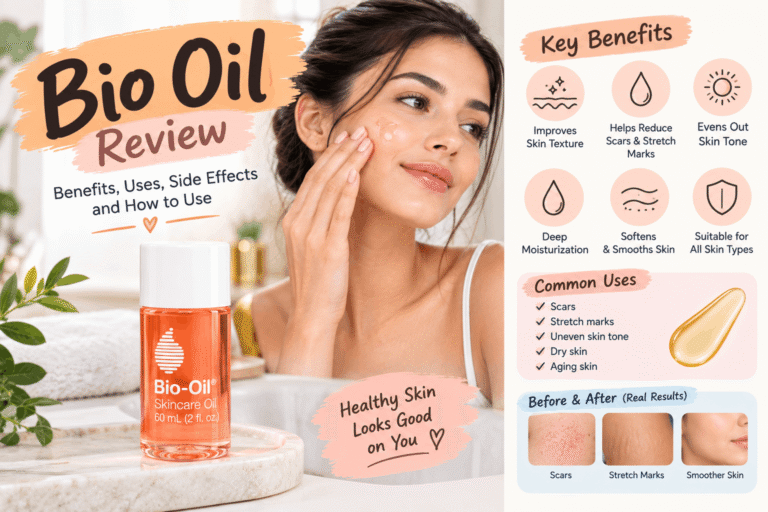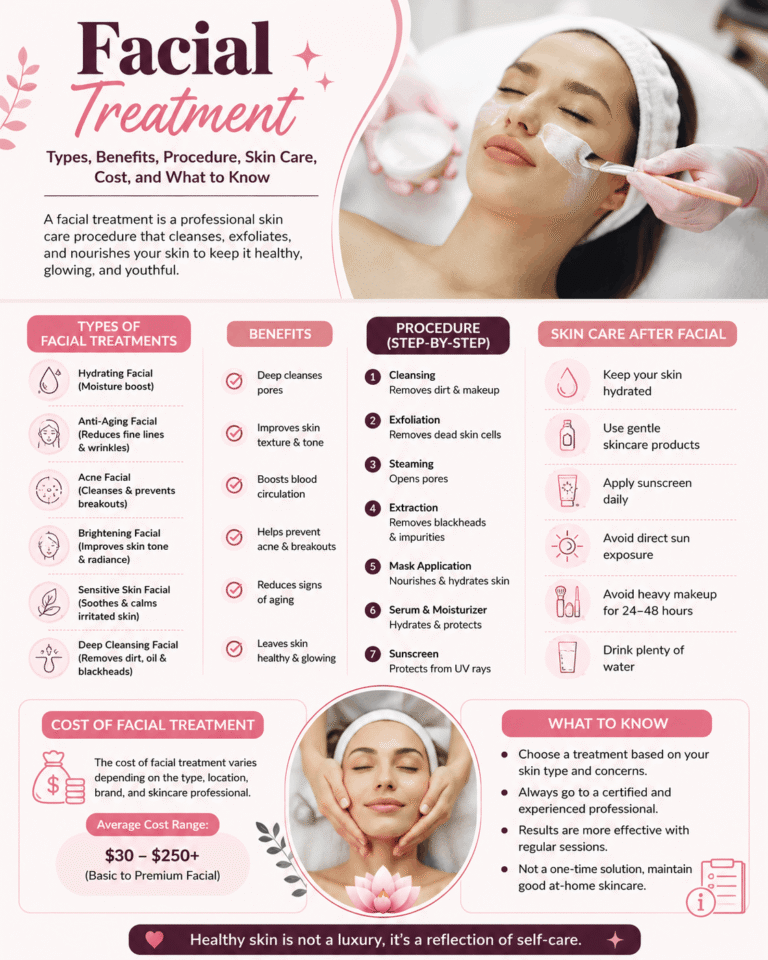
Face Beauty Tips: Simple Ways to Get Healthy, Glowing Skin
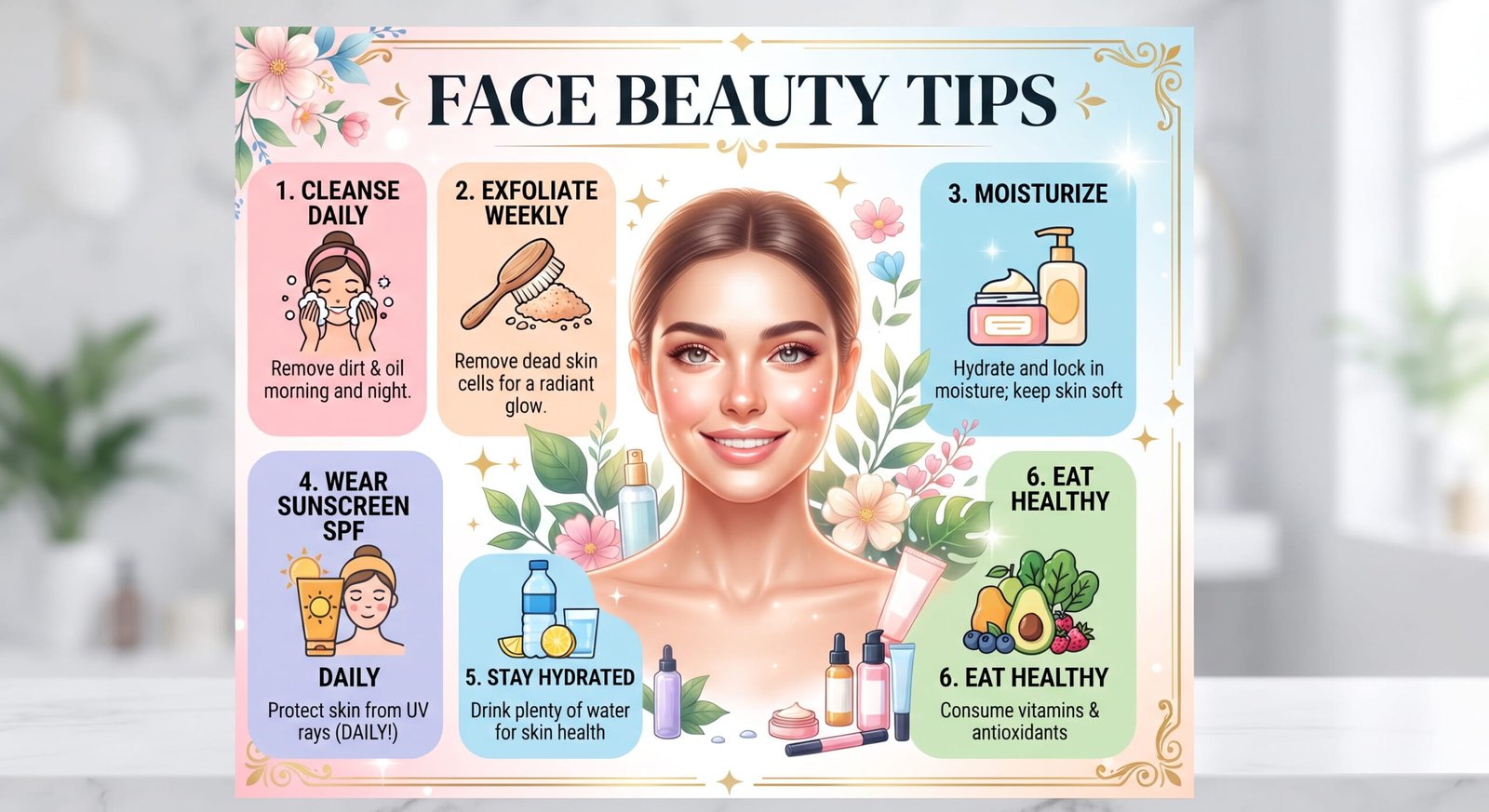
Beautiful skin does not always require expensive products, complicated treatments, or a long beauty routine. In many cases, healthy-looking skin comes from simple daily habits such as gentle cleansing, proper hydration, sun protection, adequate sleep, and choosing products that suit your skin type. The right face beauty tips can help you build a routine that keeps your skin fresh, smooth, balanced, and naturally radiant.
Whether you have oily, dry, combination, sensitive, or normal skin, the foundation of good facial care remains almost the same: keep the skin clean, moisturized, protected from the sun, and avoid unnecessary irritation. However, your products and routine may need to change according to your individual skin concerns.
What Are Face Beauty Tips?
Face beauty tips are practical skincare and lifestyle habits that can improve the appearance and overall condition of facial skin. They may include cleansing correctly, moisturizing regularly, wearing sunscreen, eating a balanced diet, getting enough sleep, avoiding excessive touching of the face, and using suitable skincare products.
Good skincare is not about making your face look completely different. It is about supporting your skin barrier and helping your natural skin look healthier.
1. Know Your Skin Type
One of the most important face beauty tips is to understand your skin type before buying skincare products.
Common skin types include:
- Oily skin: Produces more oil and may appear shiny.
- Dry skin: Often feels tight, rough, or flaky.
- Combination skin: Has oily areas, commonly around the forehead, nose, and chin, with drier areas elsewhere.
- Sensitive skin: Can react easily to certain products or environmental factors.
- Normal skin: Generally has a balanced oil and moisture level.
Knowing your skin type makes it easier to choose cleansers, moisturizers, and other products without unnecessarily irritating your skin.
2. Clean Your Face Gently
Cleansing removes sweat, excess oil, dirt, sunscreen, and makeup from the skin. However, aggressive cleansing can leave the skin feeling dry and irritated.
Use a gentle cleanser suited to your skin type. Avoid scrubbing your face harshly or washing it repeatedly throughout the day.
For most people, cleansing in the morning and before bed is a practical starting point. If you exercise or sweat heavily, cleansing afterward can also be helpful.
3. Never Skip Moisturizer
A common misconception is that people with oily or acne-prone skin do not need moisturizer. In reality, hydration is important for almost every skin type.
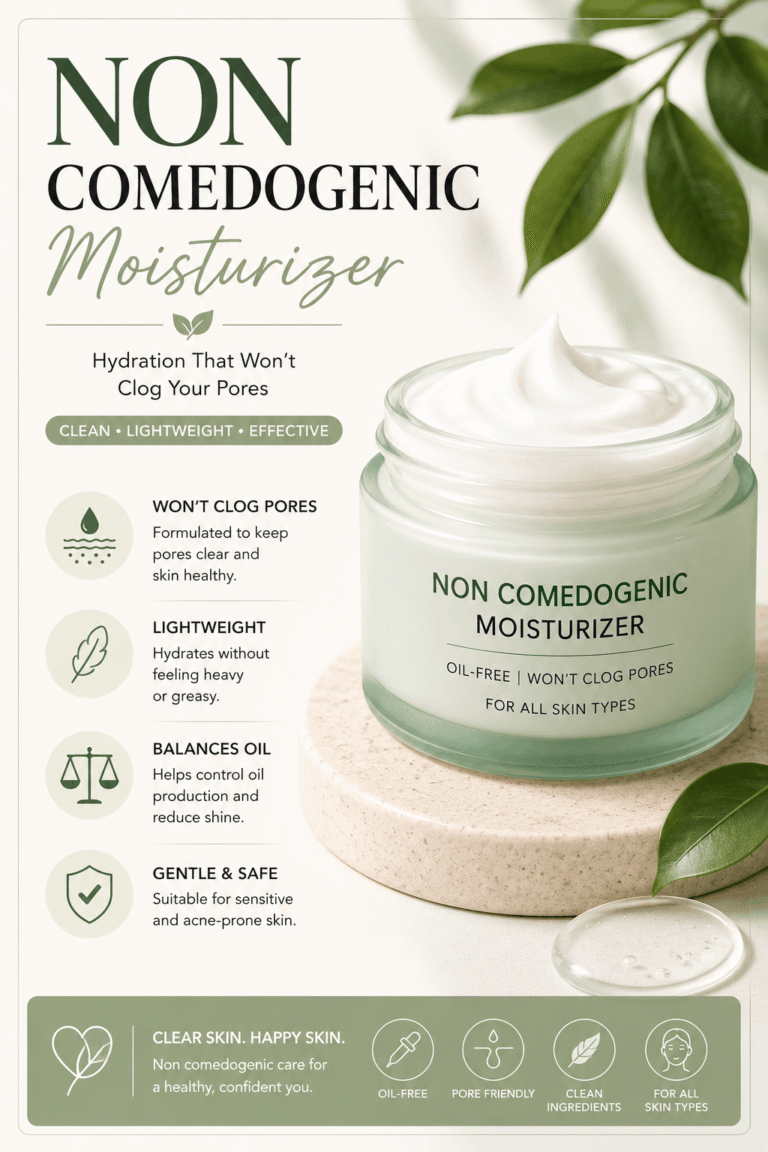
A lightweight, non-comedogenic moisturizer may work well for oily skin, while richer creams can be more comfortable for dry skin.
Look for formulas that leave your skin comfortable rather than excessively greasy or tight.
4. Make Sunscreen a Daily Habit
Sun protection is one of the most valuable face beauty tips for maintaining healthy-looking skin.
Regular exposure to ultraviolet radiation can contribute to premature skin aging, uneven pigmentation, and sun damage. A broad-spectrum sunscreen with SPF 30 or higher is commonly recommended for daily protection.
Apply sunscreen generously to exposed skin and reapply when needed, particularly after sweating, swimming, or prolonged outdoor exposure.
Remember that sunscreen is useful even when the weather is cloudy because ultraviolet radiation can still reach the skin.
5. Keep Your Hands Away From Your Face
We frequently touch our faces without realizing it. Hands can transfer dirt, oils, and other substances to the skin.
Try to avoid:
- Picking at pimples
- Scratching irritated areas
- Squeezing blackheads
- Touching your face unnecessarily
- Resting your chin or cheeks on your hands
Picking or squeezing blemishes can increase irritation and may increase the risk of marks or scarring.
6. Choose Skincare Products Carefully
More skincare products do not necessarily mean better skin. Using too many active ingredients at the same time can cause irritation.
Before adding a new product, consider:
- Your skin type
- Your main skin concern
- The ingredients in the product
- How frequently you need to use it
- Whether it may irritate your skin
Introduce new products gradually rather than changing your entire routine at once.
7. Do Not Over-Exfoliate
Exfoliation can help remove dead surface skin cells and make the skin feel smoother. However, excessive exfoliation may damage the skin barrier and cause redness, dryness, or sensitivity.
If you exfoliate, choose a method appropriate for your skin and avoid combining multiple strong exfoliating products unless advised by a skincare professional.
Gentle and consistent skincare is generally more useful than aggressive treatments.
8. Stay Hydrated
Drinking enough fluids supports overall health, while adequate hydration can also contribute to how comfortable your skin feels.
Instead of relying on water alone for glowing skin, combine good hydration with a balanced diet, regular sleep, and an appropriate skincare routine.
If your skin remains persistently very dry despite proper skincare, consider discussing the issue with a dermatologist.
9. Eat a Balanced Diet
Your skin can benefit from an overall nutritious eating pattern.
Include a variety of:
- Fruits
- Vegetables
- Whole grains
- Protein-rich foods
- Healthy fats
- Nuts and seeds
No single food can magically transform your complexion. Instead, consistent healthy eating provides nutrients that support normal body and skin function.
10. Get Enough Sleep
Sleep is often overlooked when discussing face beauty tips. Poor sleep habits can make you look tired and may affect your overall appearance.
Aim for a consistent sleep schedule and create a relaxing bedtime routine. Good-quality sleep supports overall health, which is important for maintaining healthy skin.
11. Keep Makeup Tools Clean
Dirty makeup brushes and sponges can collect oils, makeup residue, and microorganisms. Regularly cleaning reusable beauty tools can help keep them fresh.
Do not share makeup brushes, sponges, or other products that come into direct contact with the face.
Also check the recommended use period of cosmetics and replace products that have changed in smell, texture, or appearance.
12. Remove Makeup Before Sleeping
Sleeping with makeup on can leave the skin coated with cosmetic residue and may contribute to clogged pores or irritation.
At night, remove makeup gently and cleanse your face. Follow with any treatment products that are appropriate for your skin and finish with moisturizer.
A simple nighttime routine is often easier to maintain than a complicated one.
13. Manage Stress
Stress is a normal part of life, but prolonged stress can affect overall well-being and may worsen certain skin concerns in some people.
Simple stress-management habits can include:
- Walking
- Exercise
- Deep breathing
- Reading
- Spending time outdoors
- Practicing relaxation techniques
- Maintaining social connections
Taking care of your mental and physical well-being can complement your skincare routine.
14. Avoid Constantly Changing Your Routine
Skincare requires consistency. If you introduce several new products at the same time, it becomes difficult to know which product is helping or causing irritation.
Give your routine enough time to work unless you experience a clear adverse reaction. Keep your basic routine simple and make changes one at a time.
15. Give Special Attention to Your Lips and Eye Area
The skin around the eyes and lips can feel more delicate than other areas of the face. Avoid rubbing your eyes and remove eye makeup gently.
For dry lips, a simple moisturizing lip balm can help prevent excessive dryness. Protecting your lips from the sun can also be useful.
16. Keep Your Pillowcases Clean
Your pillowcase comes into contact with your face for several hours each night. Regularly changing and washing pillowcases is a simple hygiene habit.
If you are prone to acne, choose comfortable, breathable bedding and avoid allowing hair products or heavy cosmetic residue to build up on your pillow.
17. Exercise Regularly
Physical activity supports overall health and can contribute to a healthy appearance. Exercise also provides an opportunity to establish better lifestyle habits.
After sweating heavily, cleanse your face gently rather than allowing sweat and products to remain on your skin for extended periods.
18. Avoid Harsh Home Remedies
Natural does not automatically mean safe for facial skin. Ingredients such as lemon juice, undiluted essential oils, or abrasive scrubs can irritate the skin.
Before applying a DIY ingredient to your face, consider whether there is evidence that it is safe and appropriate for facial use.
A simple, dermatologist-tested product may be a safer option than an aggressive home remedy.
19. Treat Acne Gently
Acne is common and can affect people of many ages. One of the most important tips is to avoid squeezing or repeatedly touching breakouts.
Depending on the type and severity of acne, ingredients such as salicylic acid or benzoyl peroxide may be useful for some people. Persistent, painful, or scarring acne may require professional evaluation.
A dermatologist can help identify the type of acne and recommend an appropriate treatment plan.
20. Build a Simple Morning Skincare Routine
A practical morning routine does not need to contain many steps.
A basic routine may include:
Step 1: Gentle cleanser
Step 2: Optional treatment or serum
Step 3: Moisturizer
Step 4: Broad-spectrum sunscreen
The exact products should depend on your skin type and concerns.
21. Create a Simple Nighttime Routine
Nighttime is a convenient opportunity to cleanse your face and use targeted skincare products.
A basic routine can be:
Step 1: Remove makeup
Step 2: Cleanse
Step 3: Apply an appropriate treatment product
Step 4: Moisturize
You do not need a dozen products to maintain healthy-looking skin.
22. Be Patient With Your Skin
One of the most underrated face beauty tips is patience. Skin concerns rarely disappear overnight.
Jumping from one product to another can create unnecessary irritation. Instead, focus on consistency and monitor how your skin responds.
If a product causes burning, significant redness, swelling, or another concerning reaction, discontinue it and seek appropriate medical advice.
23. When Should You See a Dermatologist?
Home skincare is useful for everyday maintenance, but some concerns require professional care.
Consider seeing a dermatologist if you have:
- Severe or persistent acne
- Painful skin lesions
- Sudden unexplained changes in pigmentation
- Persistent itching or rash
- Recurrent skin infections
- Significant scarring
- A changing or unusual mole
- Skin problems that do not improve with basic care
A dermatologist can evaluate your skin and recommend treatments based on your specific condition rather than relying on general beauty advice.
Face Beauty Tips for Different Skin Types
Face Beauty Tips for Oily Skin
People with oily skin may benefit from lightweight, non-comedogenic products. Avoid excessively harsh cleansers because they can make the skin feel uncomfortable and may encourage over-cleansing.
A gentle cleanser, lightweight moisturizer, and daily sunscreen can form a simple foundation.
Face Beauty Tips for Dry Skin
Dry skin usually benefits from gentle cleansing and regular moisturizing. Avoid very hot water and harsh products that leave your face feeling tight.
Cream-based moisturizers and ingredients designed to support the skin barrier may be useful.
Face Beauty Tips for Sensitive Skin
Sensitive skin often benefits from a minimalist routine. Introduce products gradually and avoid unnecessary fragrance or harsh exfoliation if these trigger irritation.
Patch testing a new product before applying it broadly can be a useful precaution.
Face Beauty Tips for Combination Skin
Combination skin may require different textures in different areas. A lightweight moisturizer can often provide hydration without making oilier areas feel excessively greasy.
Avoid treating your entire face aggressively just because one area is oily.
Common Face Beauty Mistakes to Avoid
Even a good skincare routine can be undermined by everyday mistakes.
Some common ones include:
- Washing the face too aggressively
- Skipping sunscreen
- Sleeping with makeup on
- Picking pimples
- Using too many active ingredients
- Changing products too frequently
- Ignoring persistent skin problems
- Using harsh DIY treatments
- Forgetting the neck and other exposed areas
- Expecting overnight results
Small improvements in daily habits can make your routine more sustainable.
How to Make Your Face Look Fresh Naturally
A fresh-looking face is usually the result of healthy skin rather than a single beauty trick. Keep your routine consistent, moisturize appropriately, protect your skin from the sun, eat a balanced diet, sleep well, and avoid unnecessary irritation.
For special occasions, makeup can enhance your appearance, but healthy skincare habits should remain the foundation.
Final Thoughts
The best face beauty tips are usually simple enough to follow every day. Gentle cleansing, regular moisturizing, daily sun protection, balanced nutrition, sufficient sleep, clean beauty tools, and avoiding excessive product use can create a strong foundation for healthy-looking skin.
Your skin does not need to look flawless to be beautiful. Focus on keeping it comfortable, protected, and healthy. If you have a persistent or concerning skin problem, professional dermatological advice can help you choose a treatment that matches your individual needs.
FAQs About Face Beauty Tips
1. What is the most important face beauty tip?
Daily sun protection, gentle cleansing, and consistent moisturizing are among the most useful foundations of a basic skincare routine.
2. How can I make my face glow naturally?
A healthy-looking glow can be supported by consistent skincare, sunscreen, adequate sleep, balanced nutrition, hydration, and avoiding harsh products.
3. How often should I wash my face?
For many people, cleansing twice daily is sufficient. You may also want to cleanse after heavy sweating or exercise.
4. Should I moisturize oily skin?
Yes. Oily skin still needs hydration. A lightweight, non-comedogenic moisturizer may be a suitable option.
5. Is sunscreen necessary every day?
Daily sunscreen can help protect exposed skin from ultraviolet radiation and reduce the effects of sun exposure.
6. How can I get clear skin?
Use a simple routine appropriate for your skin type, avoid picking blemishes, protect your skin from the sun, and seek professional advice if acne or other skin problems persist.
7. Can drinking water improve skin?
Adequate fluid intake supports overall health and normal body function. However, drinking extra water alone is not a guaranteed solution for every skin concern.
8. Is exfoliation good for the face?
Gentle exfoliation can help remove dead surface cells, but excessive exfoliation can irritate the skin. Choose an approach suitable for your skin type.
9. What should I avoid putting on my face?
Avoid harsh or irritating substances, especially undiluted acids, abrasive scrubs, and ingredients that cause burning or significant irritation.
10. When should I visit a dermatologist?
See a dermatologist for persistent, painful, severe, unusual, or worsening skin concerns, especially when basic skincare does not improve the problem.